

US Operations in Venezuela Shatter Beijing’s Influence in Latin America: Analysts


.
Beijing’s failure to defend its “all-weather” ally Venezuela following the United States’ capture of the nation’s leader Nicolás Maduro on Jan. 3 illustrates its incompetence and undermines its political and economic leverage across Latin America, experts say.
Just hours before his capture, Maduro on Jan. 2 met with Qiu Xiaoqi, the Chinese regime’s special representative for Latin American affairs, to reaffirm the close relationship between Caracas and Beijing.
‘Unreliable Partner’
Antonio Graceffo, a China economic analyst, said the timing of Maduro’s arrest demonstrates that Washington is not threatened by Beijing.“China’s lack of any substantive reaction should send a message to all of China’s allies that China is an unreliable partner and that its so-called ‘all-weather strategic partnership’ with Venezuela, its iron brotherhood with Pakistan, and its no-limits partnership with Russia all have clear limits,” Graceffo told The Epoch Times.
Graceffo added that these limitations apply to China’s closest and most strategically vital partners, suggesting that even tighter constraints exist for other global allies.
“Even more so for [China’s] Latin American partners, which, while strategically consequential, have relatively low importance in China’s overall plans and strategy,” said Graceffo.
Wang Hung-jen, executive director at Taiwan’s Institute for National Policy Research, said that while Latin American nations will not completely sever political ties with China, Beijing’s inability to defend a key partner like Venezuela serves as a stark warning to other countries in the region.
“These Latin American countries are beginning to worry about how to respond if relations with Washington deteriorate, since Beijing cannot fulfill its verbal promises with actual hard power, regardless of what type of all-weather or strategic partnership exists,” Wang told The Epoch Times.
.
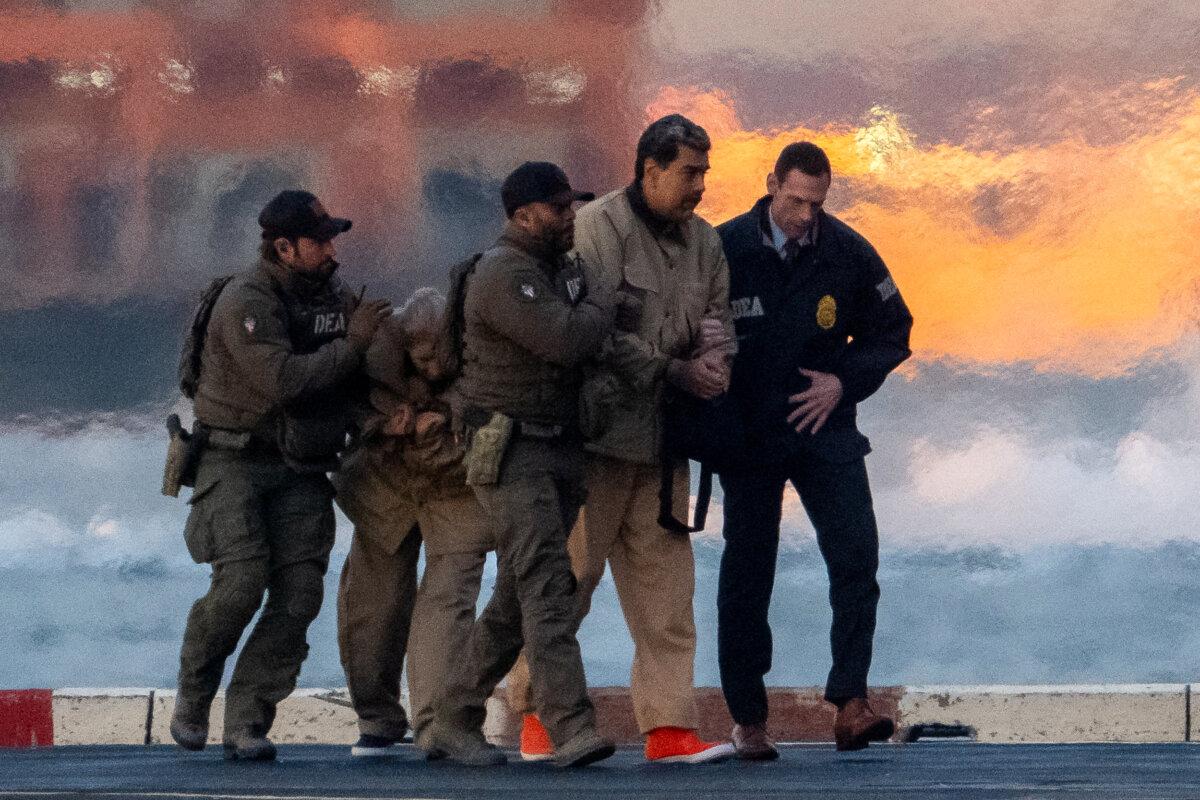
Wang suggested that these Latin American nations will likely use the current U.S. focus on Venezuela as an opportunity to realign with Washington, employing hedging strategies to maximize their political benefits.
Economic Influence Weakens
Regarding trade relations between Venezuela and China, Beijing ranks as Caracas’s second-largest trading partner after Washington, with bilateral commerce reaching $7.1 billion in 2024, according to the latest figures.Graceffo said that although the United States could run Venezuela, Washington is in fact allowing the Venezuelan government to continue governing, meaning Chinese assets will not be affected by U.S. actions in the country.
“I can’t imagine the U.S. will seize Chinese assets. As a result, the long-term debts Venezuela owes to China will remain governed under Venezuelan law,” Graceffo said.
However, Wang said legal protections won’t prevent practical economic damage, pointing out that China built its partnership with Venezuela through its Belt and Road Initiative (BRI) starting in 2018, but now faces significant financial losses as the debt repayment mechanism collapses under the new political reality.
“Because Venezuela originally repaid Chinese debts through an oil-for-loans arrangement but is now unable to repay them, this will have an impact on China’s internal finances and economy,” Wang said.
.
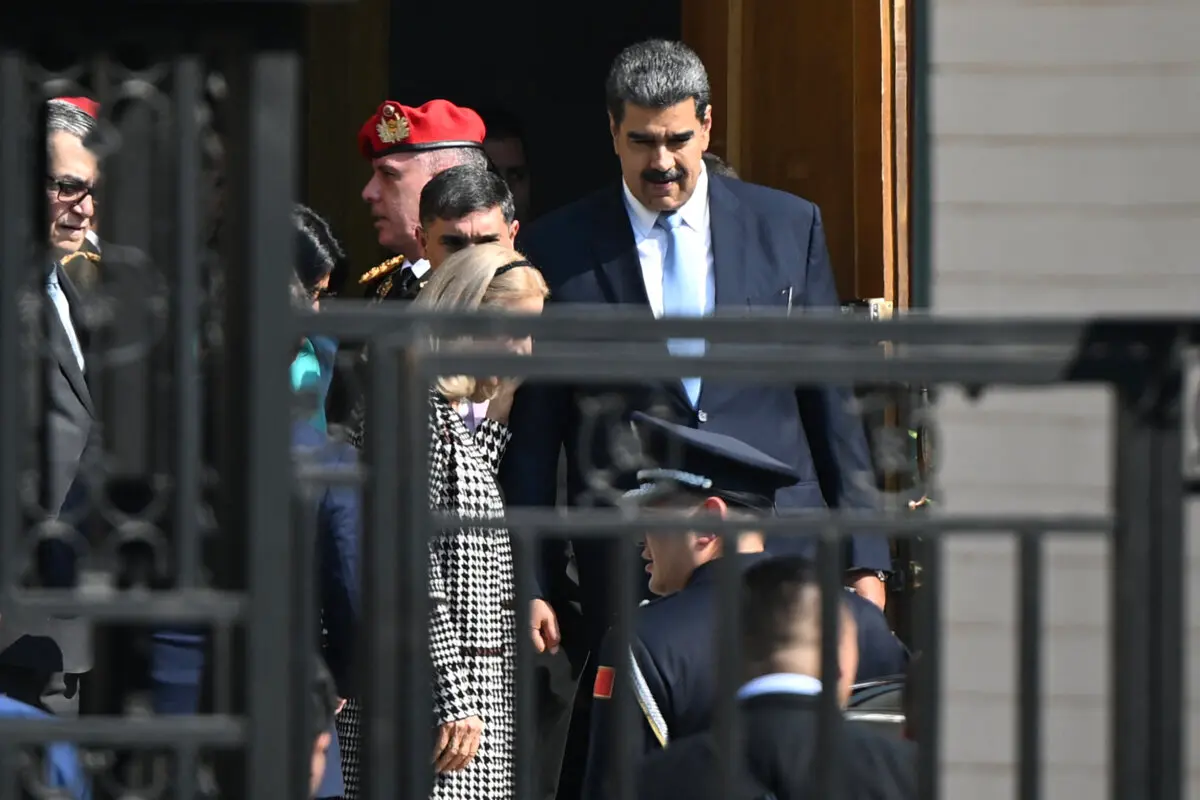
Speaking more broadly about economic cooperation between China and Latin American countries, Wang said Chinese enterprises investing in the region will shift from an aggressive stance to a wait-and-see attitude as they face greater risks than before.
“When Chinese enterprises follow Beijing into Latin American investments, they'll face higher insurance premiums and financing costs due to escalating political risks.
Replace or Double Down?
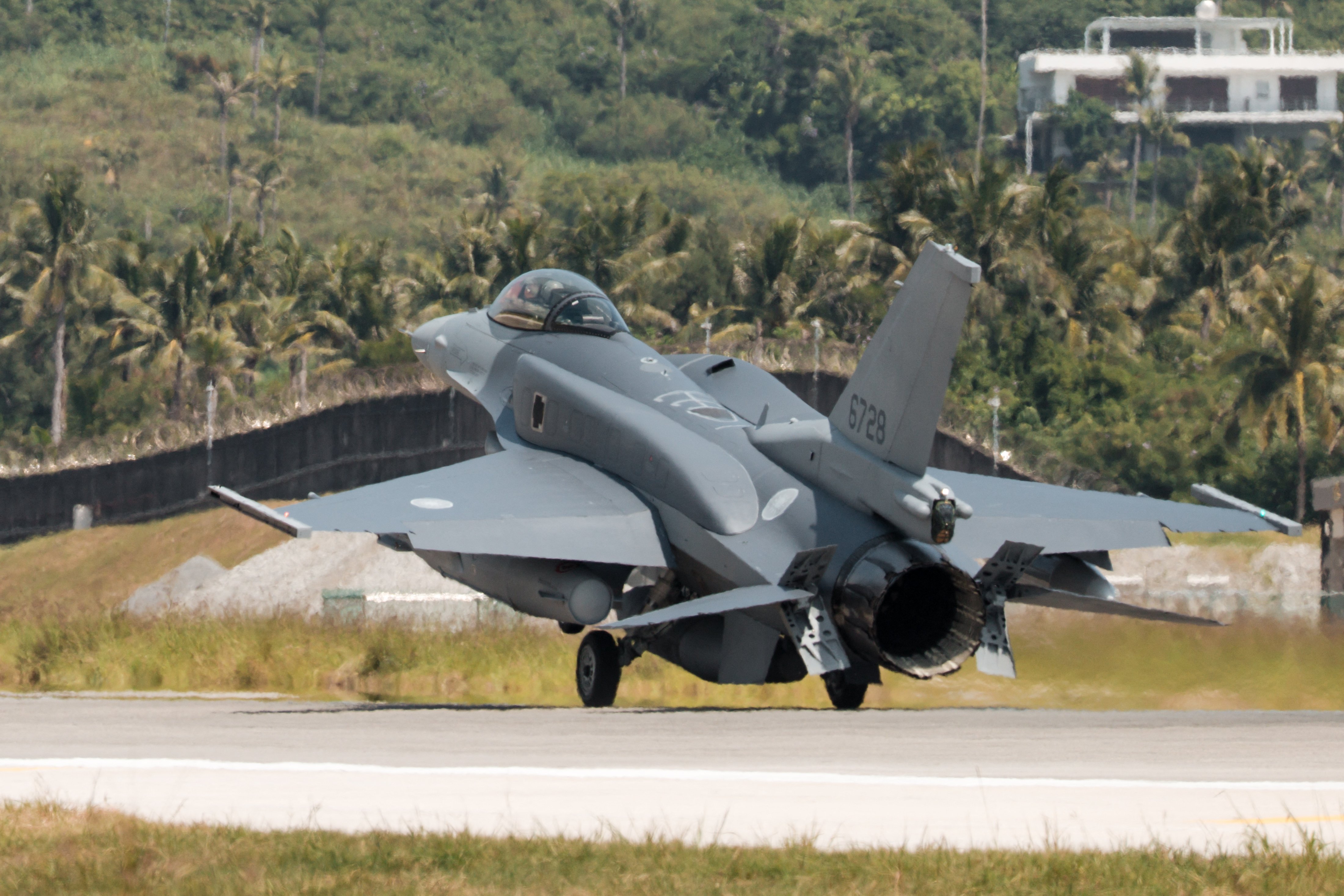
The seizure of Maduro also exposed serious weaknesses in Chinese military hardware, as Venezuela’s Chinese-built defense network crumbled swiftly when confronted with American electronic warfare and precision weaponry.Graceffo noted that while China’s military engagement includes training programs and scholarships, the equipment’s failure has exposed the hard truth that Beijing offers no actual security guarantee to its allies.
“China is one of the world’s largest oil importers and has failed to defend its Latin American partner, which possesses one of the largest oil reserves in the world, and if oil is not sufficient to induce China to risk military engagement, then what is?” Graceffo said.
He added that countries must now be asking themselves which country is more important to China than Venezuela, and the question alone signals a realization that “China is not coming to their rescue.”
Wang stated that the operation demonstrates such overwhelming U.S. electronic warfare superiority that Latin American states might now consider scrapping their Chinese and Russian inventories to adopt American standards.
However, he warned that the region could see a fractured outcome where some nations pivot to American arms while others deepen their reliance on Beijing for digital repression.
“It’s also possible they become more dependent on China for cybersecurity monitoring and suppression technology, leading to a divergence where some nations gradually replace Chinese weapons while others increase their reliance on Chinese surveillance equipment,” Wang said.
.
What's Your Reaction?
 Like
0
Like
0
 Dislike
0
Dislike
0
 Love
0
Love
0
 Funny
0
Funny
0
 Wow
0
Wow
0
 Sad
0
Sad
0
 Angry
0
Angry
0















Comments (0)