

The Silent Epidemic: How Small Daily Rituals Can Beat Loneliness
Loneliness is now recognized as one of the most serious public health threats of our time — as dangerous as smoking. But researchers say the antidote may already be hidden in the smallest moments of everyday life.


.
A Health Crisis Nobody Talks About Enough
It doesn't make headlines the way heart disease or cancer does. But loneliness is quietly killing people at a scale that has alarmed health officials across the globe.
According to a landmark advisory issued by U.S. Surgeon General Dr. Vivek Murthy in 2023, social disconnection carries roughly the same mortality risk as smoking 15 cigarettes a day. One in three American adults reports experiencing chronic loneliness. Among young adults — the most digitally connected generation in history — the numbers are even more troubling.
The findings echo decades of research, including a widely cited meta-analysis by Dr. Julianne Holt-Lunstad of Brigham Young University, which concluded that people with stronger social relationships are approximately 50 percent more likely to survive over a given period than those who are more isolated. The numbers are stark: isolation is not just an emotional burden. It is a physiological one.
What Loneliness Does to the Body
Chronic loneliness doesn't only hurt feelings — it rewires the body's stress systems in measurable ways.
Research in psychoneuroimmunology (the study of how the mind, nervous system, and immune system interact) shows that prolonged social isolation elevates cortisol, the body's primary stress hormone, while disrupting the pathways through which oxytocin — sometimes called the "bonding hormone" — signals safety and trust. The result is a body stuck in a state of low-grade alert, as though danger is always near.
Brain imaging studies have found that lonely individuals often show altered activity in the default mode network, the region associated with self-reflection and social cognition. Over time, this can change the very way a person processes relationships, creating a self-reinforcing cycle: isolation breeds more isolation.
The immune system also suffers. Studies published in journals including Proceedings of the National Academy of Sciences have linked chronic loneliness to increased inflammatory markers, weakened immune response, and higher rates of cardiovascular disease.
Why Screens Make It Worse, Not Better
Modern life has handed us tools for connection that paradoxically deepen disconnection.
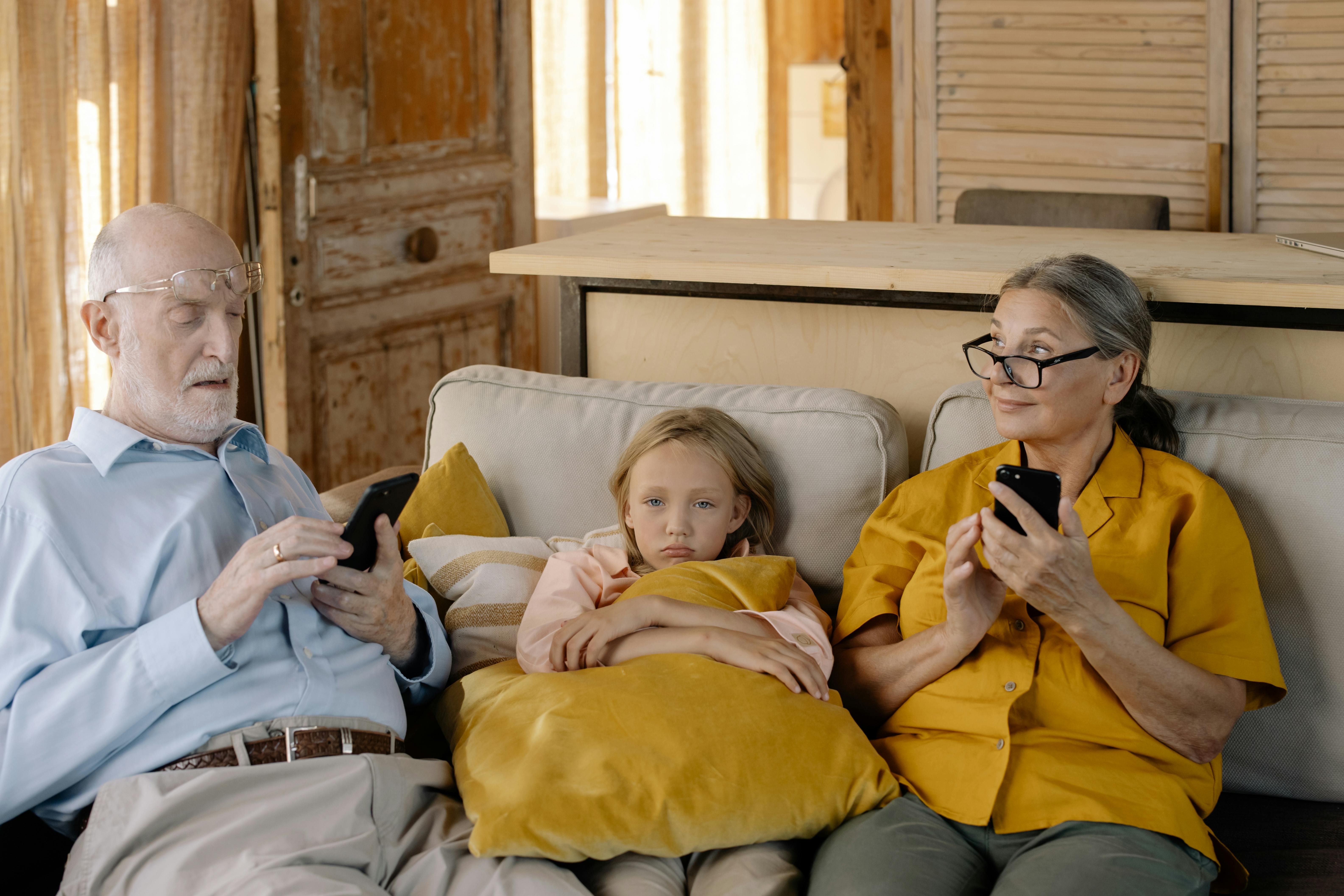
Social media platforms offer constant contact — likes, comments, messages — but research consistently finds that these interactions do not satisfy the human need for genuine belonging. A study published in the American Journal of Preventive Medicine found that heavy social media use was associated with significantly higher rates of perceived social isolation among young adults.
The human brain, shaped by hundreds of thousands of years of face-to-face community life, is simply not built for screen-mediated relationships as a primary source of connection. Without physical presence, eye contact, shared space, and the subtle nonverbal cues that regulate trust and safety, the brain's social circuitry goes undernourished — no matter how full the notification tray.
Urbanization, remote work, and the erosion of civic institutions — from neighborhood associations to religious communities — have compounded the problem, stripping away the informal social scaffolding that once held communities together.
The Science of Small Moments
Here is where the research offers real encouragement: combating loneliness does not require a dramatic life overhaul.
Studies on what social scientists call "micro-interactions" — brief, low-stakes everyday exchanges — show that consistent small connections can meaningfully reduce feelings of isolation over time, provided they feel warm and genuine rather than transactional. The barista who remembers your order. The neighbor who waves every morning. The colleague who asks how your weekend really went.
Sonja Lyubomirsky, professor of psychology at the University of California, Riverside, and one of the leading researchers in the science of happiness, frames the insight this way: loneliness is not a fixed identity but a passing state. It is something a person experiences, not something a person is. That distinction matters enormously, because it opens the door to change.
Her research, along with broader findings in positive psychology, points to a consistent pattern: repeated small acts of connection compound. The more regularly a person engages in casual social contact — a brief conversation with a stranger, a five-minute phone call to a friend, a shared meal — the more natural and effortless that contact becomes. The social muscle, like any other, strengthens with use.
Cooking as Connection
One of the most accessible and well-studied tools for building connection is also one of the oldest: sharing food.
A 2024 review examining family meal frequency found a consistent association between regular shared meals and lower rates of depression, as well as higher reported happiness. The effect held across age groups.
The benefits of cooking together go further still. Clinical research conducted with cancer patients found that participation in group cooking programs produced significant reductions in both depression and anxiety scores. Studies among elderly individuals living with dementia found that cooking alongside others reduced agitation and behavioral symptoms, while producing measurable improvements in cognitive engagement.
Food's power as a social glue is not coincidental. Preparing and sharing a meal is one of the few human activities that engages multiple senses simultaneously, requires a degree of coordination and mutual contribution, and culminates in a shared act of nourishment. It is, in the most literal sense, a ritual of care.
The Quiet Power of Intentional Solitude
Counterintuitively, the answer to loneliness is not simply to never be alone — it is to be alone differently.
Research in mindfulness and contemplative practice consistently shows that intentional solitude — quiet time chosen freely, with awareness — can reduce anxiety, improve emotional regulation, and actually increase feelings of connectedness when a person returns to social life. The key distinction is between solitude (chosen, purposeful) and isolation (imposed, undesired).
A 2015 study published in Emotion found that practicing gratitude — a habit cultivable in private, through journaling or quiet reflection — measurably strengthens social bonds over time, increasing feelings of being supported and reducing loneliness.
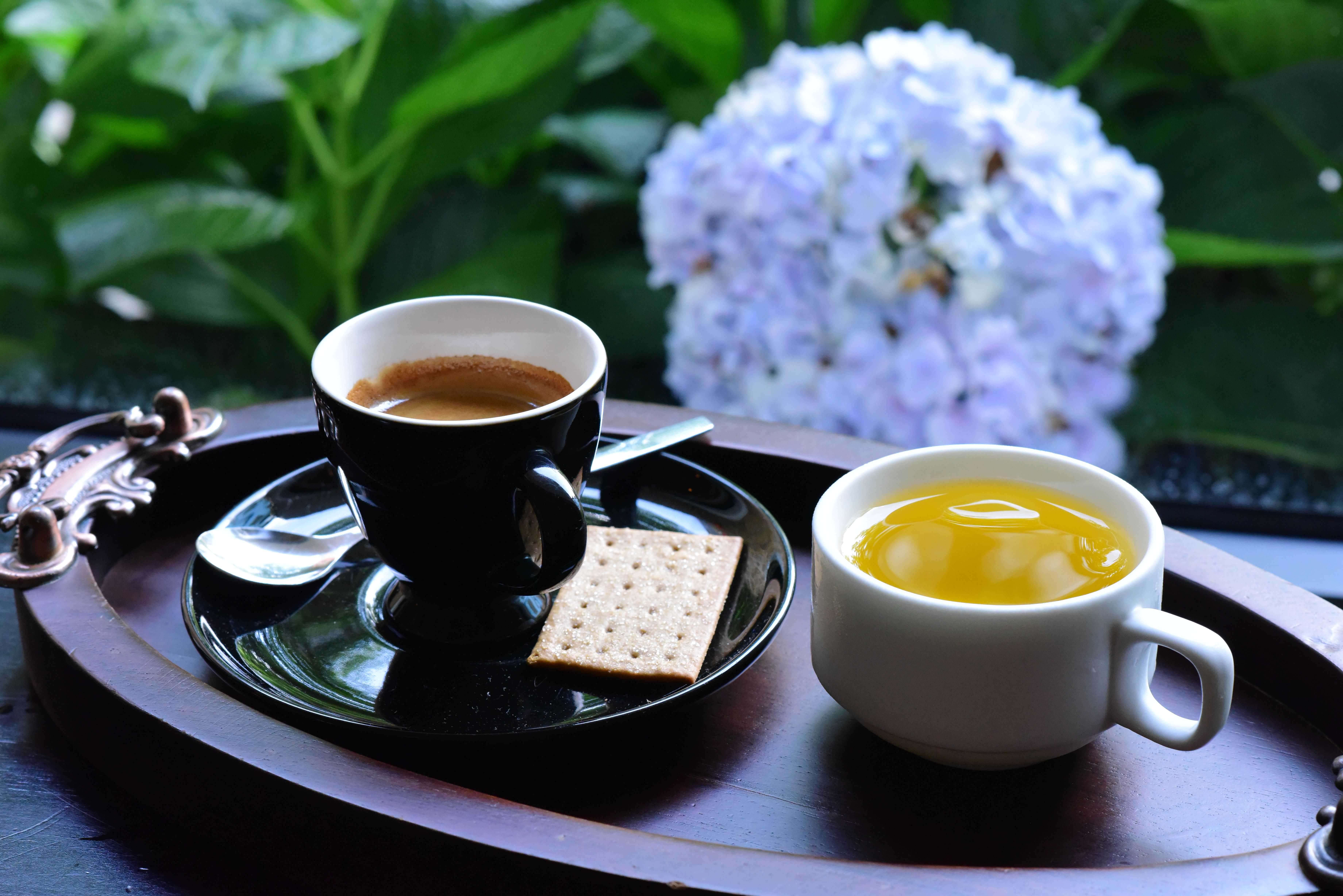
The practical application is simple: a slow morning cup of tea. A short evening walk with attention on the surroundings. Three things written down at night that went well. These are not grand gestures. They are small recalibrations that prepare the mind and body to show up more fully for the people around them.
Where to Start
Loneliness can feel like a wall. Research suggests it is more like a habit — one that can be gently, consistently interrupted.
The entry point does not need to be grand. A genuine question at the start of a work meeting. A voice message sent to a distant friend on the same day each week. A batch of cookies baked alone and shared the next morning. A monthly dinner with family. A daily hello to the same neighbor.
These moments, repeated, send a quiet signal to the brain and body: You are seen. You belong here.
The ancient human instinct for community has not disappeared. It is waiting, quietly, in the smallest rituals of everyday life.
.
Sources
- U.S. Surgeon General's Advisory – "Our Epidemic of Loneliness and Isolation" (2023): https://www.hhs.gov/sites/default/files/surgeon-general-social-connection-advisory.pdf
- Holt-Lunstad, J. et al. – "Social Relationships and Mortality Risk: A Meta-analytic Review," PLOS Medicine (2010): https://journals.plos.org/plosmedicine/article?id=10.1371/journal.pmed.1000316
- Primack, B.A. et al. – "Social Media Use and Perceived Social Isolation Among Young Adults," American Journal of Preventive Medicine (2017): https://www.ajpmonline.org/article/S0749-3797(17)30016-8/fulltext
- Shankar, A. et al. – "Loneliness, Social Isolation, and Behavioral and Biological Health Indicators in Older Adults," Health Psychology (2011): https://pubmed.ncbi.nlm.nih.gov/21534675/
- Layous, K. & Lyubomirsky, S. – Research overview, UC Riverside Positive Activity Lab: https://labs.psych.ucsb.edu/lyubomirsky/sonja/
- Gordon, A.M. et al. – "To Have and to Hold: Gratitude Promotes Relationship Maintenance in Intimate Bonds," Journal of Personality and Social Psychology / summary via APA (2012): https://www.apa.org/news/press/releases/2012/01/gratitude
- British Red Cross / Campaign to End Loneliness – Research summaries on micro-interactions and community connection: https://www.campaigntoendloneliness.org/the-facts-on-loneliness/
.
What's Your Reaction?
 Like
1
Like
1
 Dislike
0
Dislike
0
 Love
1
Love
1
 Funny
0
Funny
0
 Wow
1
Wow
1
 Sad
0
Sad
0
 Angry
0
Angry
0














Comments (0)