

Lawmakers Ask Rubio to Designate Chinese Student Group as a Foreign Mission


.
Three prominent Republican lawmakers are urging the State Department to designate a key Chinese student group as a foreign mission, arguing the step is necessary to “protect American campuses” from covert Chinese influence.
In a letter to Secretary of State Marco Rubio, the trio expressed “grave concerns” about the Chinese Students and Scholars Association (CSSA) advancing Beijing’s interests across U.S. academia, an issue they described as “serious foreign policy and national security risks.”
The letter signatories are Reps. John Moolenaar (R-Mich.), Brian Mast (R-Fla.), and Tim Walberg (R-Mich.), who respectively chair the House Select Committee on Chinese Communist Party, the House Foreign Affairs Committee, and the House Committee on Education & Workforce.
Widespread across U.S. colleges, CSSAs maintain close connections with the Chinese consulates, organizing events with Chinese officials’ support while receiving the consulates’ funding, the letter noted.
It casts CSSAs as “nominally student-led groups” that engage in “harmful and disruptive activities that chill free expression, undermine academic freedom, and raise serious national security concerns.”
The lawmakers invoked the Foreign Missions Act, passed by Congress in 1982, to address the issue, urging Rubio to formally determine whether CSSAs meet the criteria, which would subject them to disclosure requirements.
Once designated as a foreign mission, CSSA chapters must notify the State Department in advance of any meetings with local governments and universities. They would also need to seek State Department approval for public events in the United States.
The act defines a foreign mission as any entity on U.S. soil under the effective control of a foreign state. As a foreign adversary, the activities of Chinese missions require greater scrutiny, the lawmakers said.
The designations “do not even begin to scratch the surface” of Beijing’s influence and intelligence networks, the lawmakers stated, pointing to the CSSAs’ hold on the hundreds of thousands of Chinese students in the United States.
“The CCP’s exploitation of America’s openness—while refusing adequate treatment for legitimate U.S. diplomatic and consular missions in China—must come to an end,” they wrote.
Unlike the Confucius Institutes, whose presence in the United States has diminished amid heightened U.S. scrutiny, CSSAs have remained active.
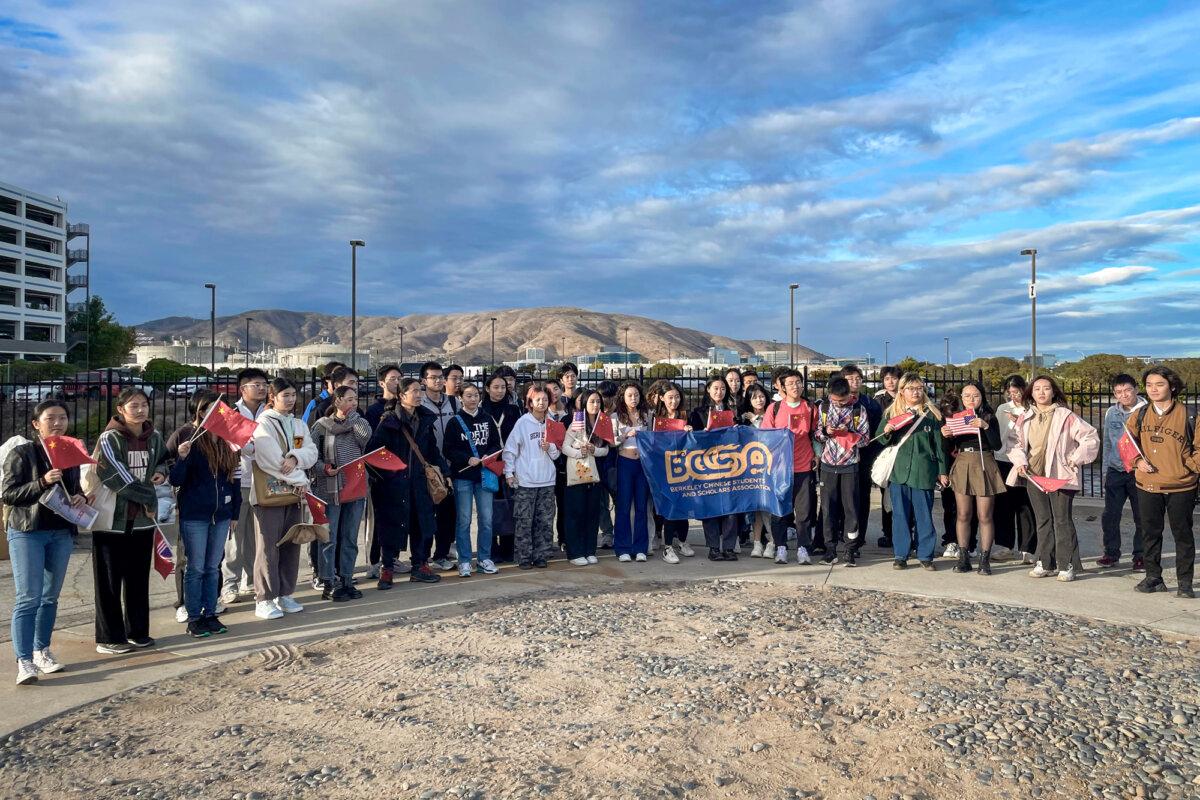
In 2025, the lawmakers noted, the Southwest Chinese Students and Scholars Association became one of the overseas liaisons for recruiting talent back to China. The organization covers dozens of U.S. universities.
Chinese officials often appear at CSSA events and have encouraged them to “tell China’s story well,” according to former leaders from the student group and Chinese consulate records.
Rubio had expressed concerns regarding the CSSA during his tenure as a Florida senator.
Moolenaar and the other lawmakers said applying the Foreign Missions Act to CSSAs is critical to shed light on their scope and assess the security risks they might pose.
Enhancing transparency about the Chinese student group’s funding, coordination, and direction on U.S. campuses, they said, would help mitigate threats posed by Chinese influence operations.
.
What's Your Reaction?
 Like
0
Like
0
 Dislike
0
Dislike
0
 Love
0
Love
0
 Funny
0
Funny
0
 Wow
0
Wow
0
 Sad
0
Sad
0
 Angry
0
Angry
0














Comments (0)