

Berlin Risks Beijing Weaponizing Trade Ties: Analysts


.
German Chancellor Friedrich Merz’s two-day visit to China will do little to stop Beijing from backing Russia in the Ukraine war, and risks leaving Berlin economically vulnerable if China weaponizes closer trade ties, experts warn.
“The framework in which we operate is exceptionally good, and we have worked together very well over the past decades,” Merz said during talks with Chinese leader Xi Jinping on Feb. 25.
The chancellor said that Berlin wants to deepen its “comprehensive strategic partnership” with Beijing after meeting with Xi.
On his first official trip to China, Merz nonetheless admitted that “there are challenges” the two nations needed to address.
Beijing’s Futile Gambit
Shen Ming-shih, a research fellow at Taiwan’s Institute for National Defense and Security Research, said the diplomatic activity surrounding these visits is unlikely to meaningfully lift China out of its international isolation, as Beijing has shown little ability to meet the demands of these countries.“In the past, visiting delegations would bring business communities to China and return home with deals. But with China’s economy in serious decline, those opportunities are increasingly hard to come by,” Shen told The Epoch Times.
.

“The fundamental principles and shared interests binding Brussels and Washington cannot be separated. Beijing won’t be able to pull them apart,” he said.
Frank Tian Xie, the John M. Olin Palmetto Chair professor in business and marketing at the University of South Carolina Aiken, concurred, saying any rift between Europe and the United States that Beijing was hoping to capitalize on was temporary, not a realignment toward China.
Trade at a Price
Accompanied by a large business delegation, including top executives from German automakers BMW and Volkswagen, Merz traveled to Hangzhou on Feb. 26 to visit Siemens Energy and Unitree, a Chinese firm that produces humanoid robots.Merz also secured an agreement for Beijing to purchase up to 120 Airbus planes, a deal he said shows “how worthwhile such trips can be.”
.
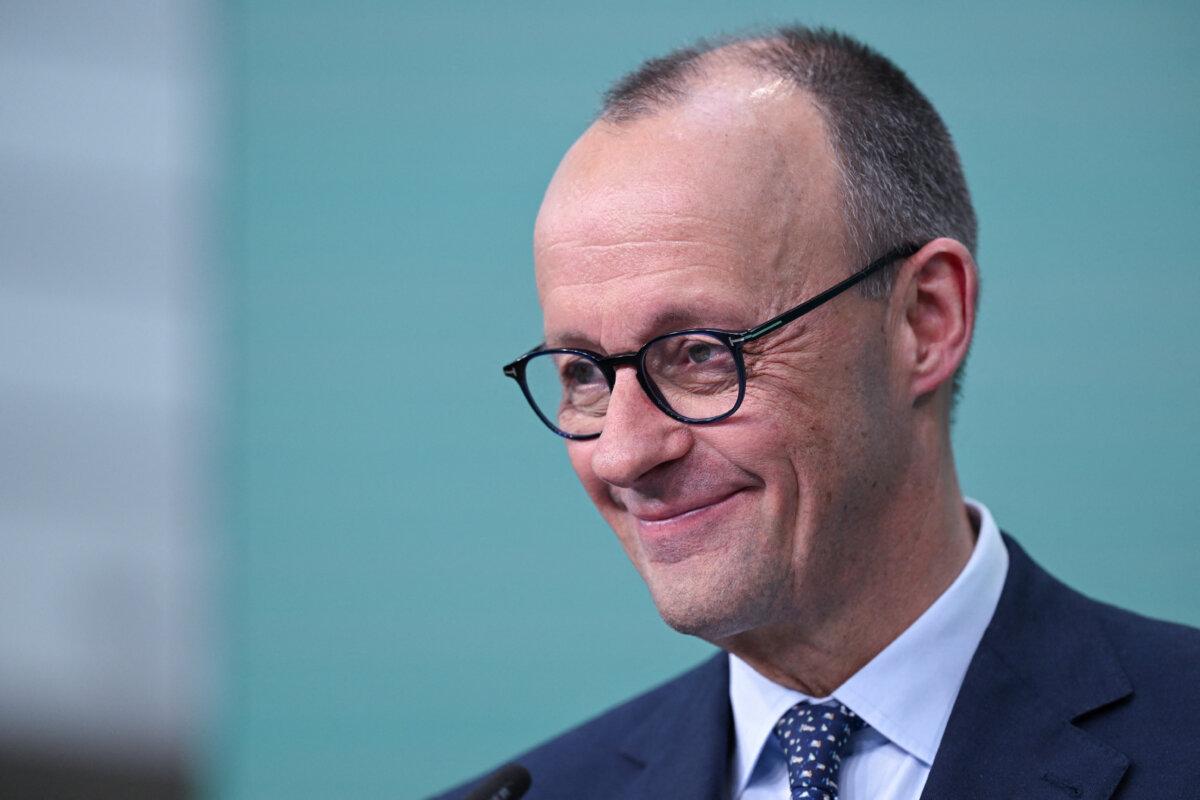
However, Arthur Ding, professor emeritus at National Chengchi University in Taiwan, said European expectations of stimulating domestic growth through closer ties with Beijing “have limits,” as the region’s own industrial challenges remain unresolved.
“Strengthening trade with Beijing might offer minimal help to Germany as the broader European industrial sector falls behind in emerging technologies,” Ding told The Epoch Times.
“The fundamental restructuring of their own industries is a far more critical issue than engaging with China economically during this period of rapid technological advancement.”
“Deepening economic ties with the CCP will plunge the already stagnant German economy into a more severe crisis, making it incredibly difficult to understand exactly why authorities in Berlin are choosing to pursue this path,” Xie said.
‘Weaponized’ Economic Ties
Against this backdrop, the trade imbalance with China was high on Merz’s agenda during talks with Chinese Premier Li Qiang on the first day of his trip.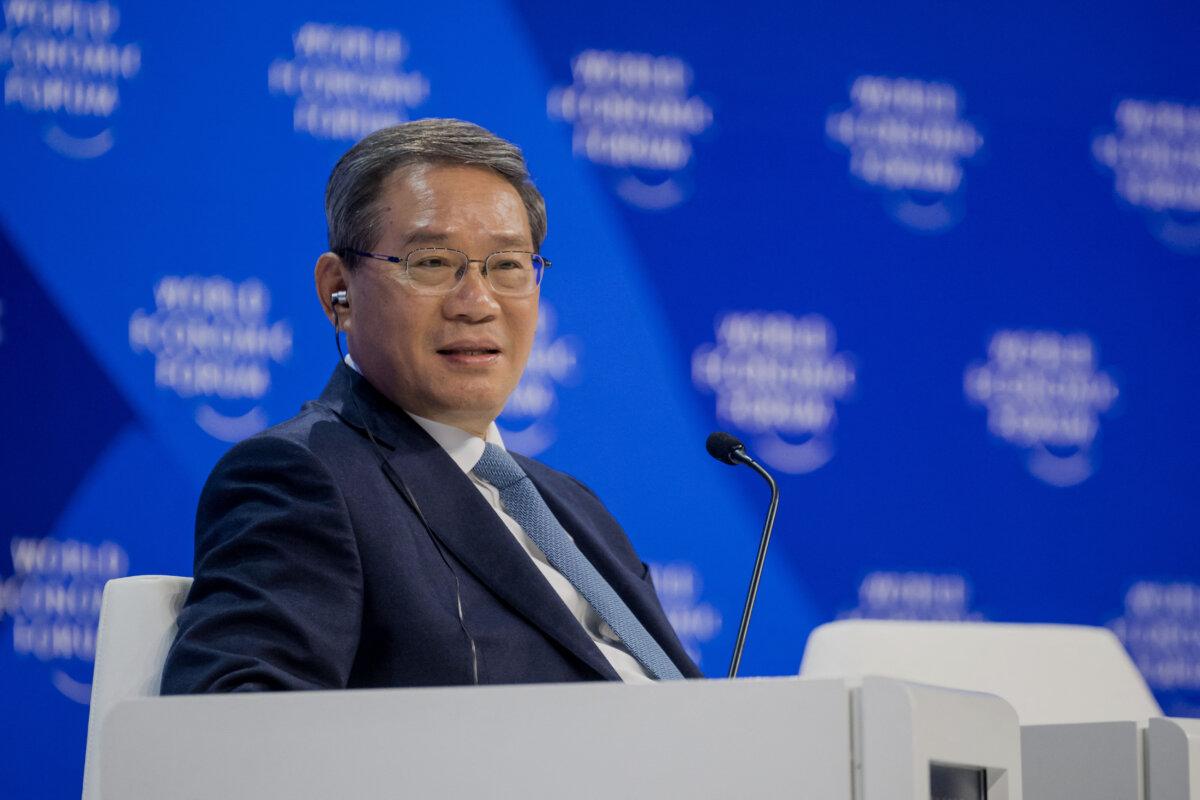
Merz said that Berlin has “very specific concerns regarding our cooperation, which we want to improve and make fair.”
As Berlin grapples with an unprecedented 89 billion euros ($105 billion) trade deficit with Beijing in 2025, China has reclaimed its position as Germany’s most important trading partner from the United States, the Federal Statistical Office of Germany said on Feb. 20.
Shen said Beijing’s reliance on state subsidies and dumping practices has deepened Germany’s dependence on Chinese supply chains, creating a dynamic in which “Germany’s need for China is greater than China’s need for Germany,” leaving Berlin vulnerable to trade coercion down the line.
Persistent Threats
In addition to trade discussions, Merz asked the Chinese regime to use its influence to stop Moscow’s military offensive in Ukraine by restricting exports of dual-use materials utilized by the Kremlin for combat operations.Both nations issued a joint statement backing initiatives for a cease-fire in Ukraine aligned with U.N. principles, according to Chinese state-run news agency Xinhua.
.

But Ding said Berlin will likely be disappointed by Beijing’s actual willingness to pressure Moscow into ending the war.
“Beijing calculates that allowing the Russian invasion of Ukraine to continue serves their expectations of bogging down Europe or potentially the U.S., meaning they will not actually make any real adjustments to their strategy,” Ding said.
Merz also said he raised the issue of Taiwan during talks with Xi, adding that any “reunification”—Beijing’s term for its claim over the self-governed democracy, which it vows to annex by force if necessary—must be achieved peacefully.
“Strengthening bilateral economic ties between Berlin and Beijing would boost Chinese power and enable a return to past expansionist behaviors that threaten neighboring nations,” Shen said.
“This move could attract American scrutiny or even retaliation against Germany, creating an economic landscape that requires careful monitoring moving forward.”
.
What's Your Reaction?
 Like
0
Like
0
 Dislike
0
Dislike
0
 Love
0
Love
0
 Funny
0
Funny
0
 Wow
0
Wow
0
 Sad
0
Sad
0
 Angry
0
Angry
0











Comments (0)