

US–Israel Strikes on Iran Expose China’s Strategic Limits


.
U.S.–Israel strikes on Iran are exposing the limits of China’s support for its strategic partner, leaving Beijing vulnerable to economic and political losses while revealing its inability to counter U.S. power in the region.
Prior to the combined U.S.–Israel airstrikes launched on Iran on Feb. 28, the Chinese Communist Party (CCP) had been expanding technological cooperation with Tehran, strengthening the regime’s ability to withstand a conflict with Washington.
At the same time, China and Iran were allegedly negotiating additional arms sales, including CM-302 anti-ship cruise missiles capable of threatening U.S. naval vessels in the Arabian Sea and nearby waters, as well as the possible purchase of China’s DF-17 hypersonic glide missile, designed to evade air-defense systems through high maneuverability.
Some of Iran’s payments for Chinese weapons have allegedly been made through oil shipments, reflecting the deep energy relationship between the two countries, as China purchases most of Iran’s crude exports. A Financial Times report on Feb. 22 indicated that Iran and Russia had signed a Verba MANPADS procurement agreement with deliveries scheduled for 2027–2029.
China informed some U.S.-aligned Arab governments about the arms deliveries, which some analysts believe was a signal intended to deter a U.S. attack and demonstrate that Beijing was prepared to stand by Tehran.
It is important to note, however, that these were deals in progress or future-dated agreements, not shipments into an active war zone. Currently, it appears that Beijing is not making efforts to deliver weapons to Iran. Even if the CCP wanted to support its comprehensive strategic partner, it would be extremely difficult, as both the sea and airspace around Iran are effectively impassable.
Iran’s Revolutionary Guard Corps officially confirmed that the Strait of Hormuz was closed on March 2, and just after midnight that day, no tankers in the strait were broadcasting AIS signals, indicating traffic had effectively dropped to zero. Protection and indemnity insurance was withdrawn effective March 5, rendering the economic risk prohibitive for shipowners. Any Chinese or Russian weapons shipment by sea would have to transit a strait that Iran itself has shut down.
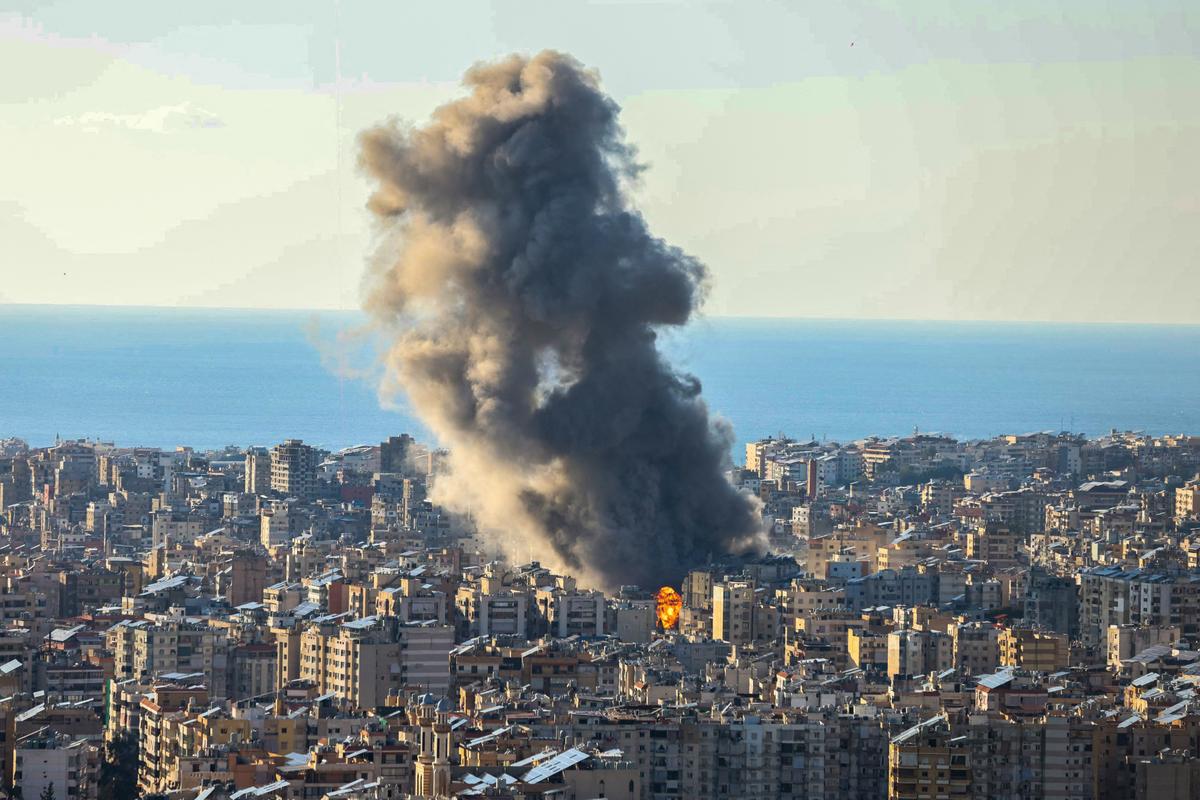
Overland routes through Turkey, Iraq, or the Caucasus would require transiting states unwilling to facilitate weapons transfers under current conditions. As of early March, there has been no confirmed reporting of any Chinese or Russian weapons deliveries to Iran after Feb. 28.
Beijing has invested billions of dollars in Iranian infrastructure, communications, and ports, and damage to these assets would represent a direct financial loss. Iran is also an important link in China’s Belt and Road Initiative, meaning instability in the country could undermine Beijing’s broader regional ambitions.
If Iran’s economy collapses, Beijing faces the possibility of unpaid debts from Iranian companies and the Tehran government. The CCP, therefore, faces a difficult dilemma. Allowing Iran to suffer a strategic defeat would be costly for Beijing, but openly supporting Tehran risks severe secondary sanctions from the United States. For these reasons, China’s response so far has remained largely diplomatic. Beijing has condemned the U.S.–Israel strikes and called for restraint and a return to dialogue to protect its interests.
The U.S.–Israel attack on Iran is a crucial test of the CCP’s regional influence. Failure to prevent the strikes has weakened China’s image as a power capable of protecting its allies. Chinese officials also warn that the attacks set a dangerous precedent by violating international law. They are concerned that the strikes could potentially justify similar interventions in other areas of Chinese influence.
The war leaves Beijing facing economic losses, diplomatic setbacks, and reputational damage. Most importantly, it exposes China’s inability to counter U.S. and Israeli power even when one of its closest partners is under attack.
What's Your Reaction?
 Like
0
Like
0
 Dislike
0
Dislike
0
 Love
0
Love
0
 Funny
0
Funny
0
 Wow
0
Wow
0
 Sad
0
Sad
0
 Angry
0
Angry
0















Comments (0)