

Joint Offensive on Iran Undermines Credibility of Chinese Military Hardware: Analysts


.
The U.S.–Israel war on Iran has dealt a serious blow to China’s defense industry while threatening to push Beijing toward more expensive alternatives for its oil purchases, experts say.
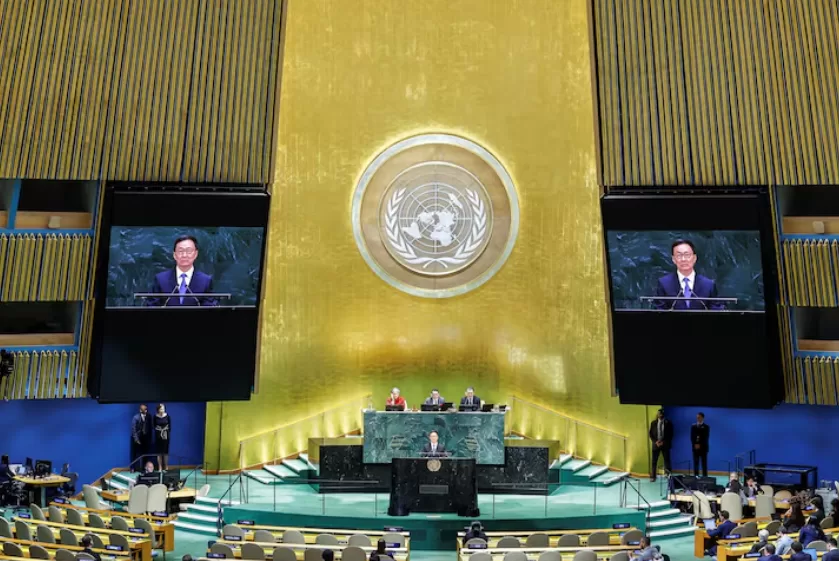
Chinese Foreign Minister Wang Yi on March 1 called the coordinated strikes against Tehran “unacceptable.”
The condemnation, however, appeared largely symbolic, as Beijing showed no signs of imposing sanctions or punitive measures against the two allied nations.
China’s Systems ‘Neutralized’
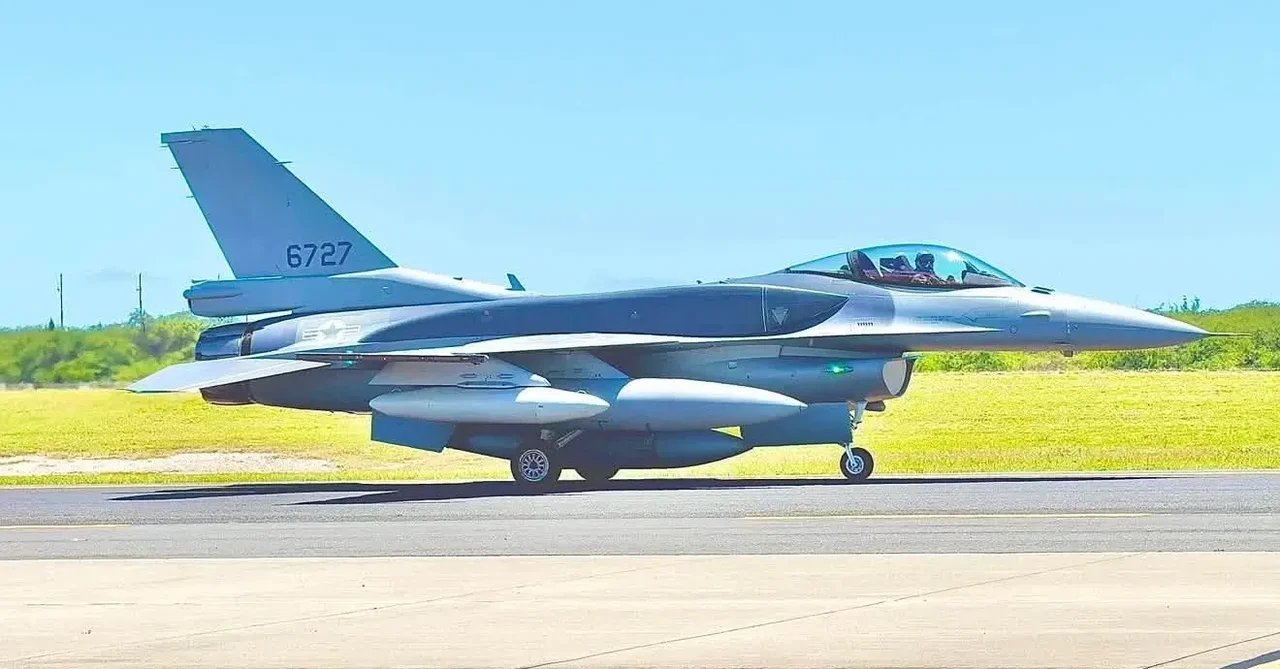
A report by consulting and media agency SpecialEurasia noted that Russia and China have progressively provided Tehran with high-tech defense capabilities, including S-400 air defense systems, Su-35 fighters, and BeiDou-3 navigation systems, though Beijing and Moscow have not publicly confirmed the transfers.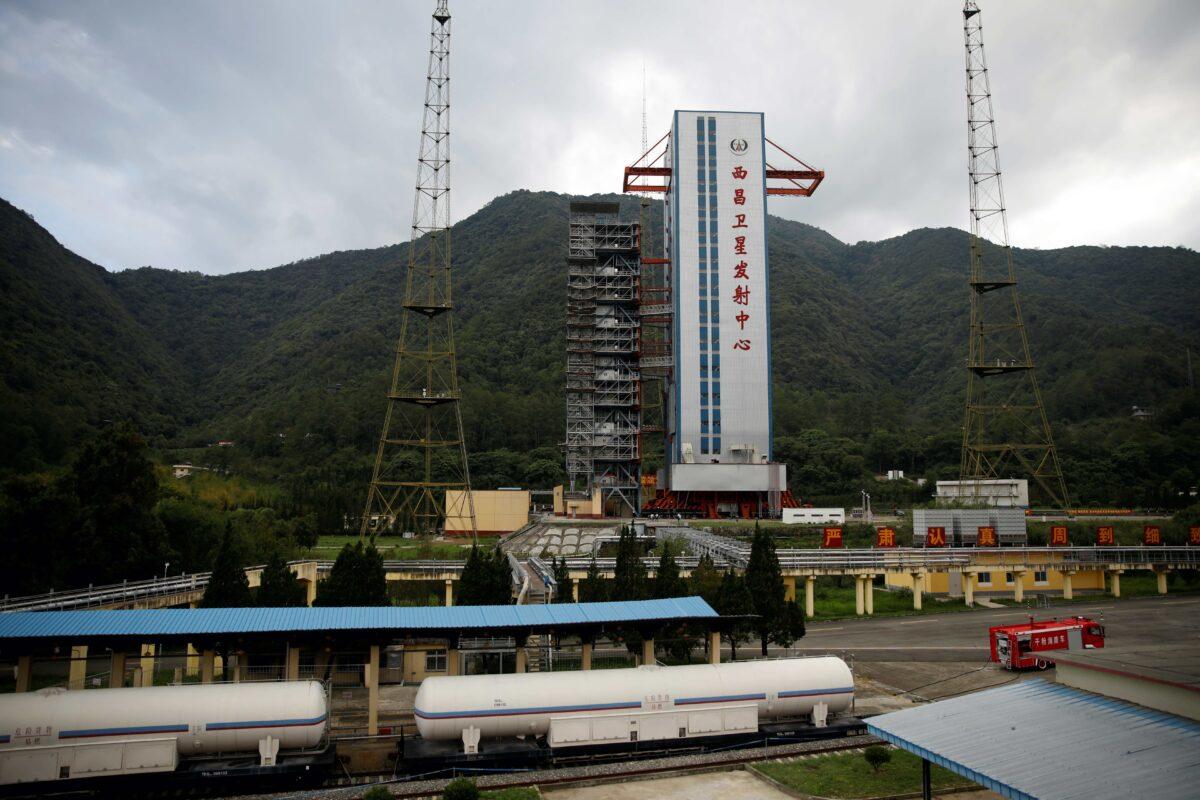
“The U.S. and Israel have long operated together in the Middle East, with deep experience in suppressing Russian and Chinese-origin weapons through cyber, electronic, and kinetic means. Iran simply had no answer to that,” Shu told The Epoch Times.
“Whether Chinese weapons can even detect U.S. stealth fighters and bombers, including the F-35, F-22, and B-2, remains a very open question,” he said.
Shu added that drone exports have been one of Beijing’s key tools for expanding its footprint in the Middle East, but the strikes on Iran may have dealt a serious blow to China’s defense industry.
“Iran’s drone and long-range weapons factories were likely heavily damaged in this round of attacks, which will significantly disrupt China’s drone supply chain and weaken its military-industrial influence in the region,” he said.
Srinivaasan Balakrishnan, co-founder and CEO of Avellon Intelligence, said multiple Chinese-made HQ-9B surface-to-air missile batteries were allegedly neutralized within the first hour, casting doubt on claims that the system rivals the U.S. Patriot PAC-3, and raising questions about Beijing’s credibility as an arms exporter.
Costly Disruption
China has long been a key Iranian ally, serving as Tehran’s largest customer and purchasing discounted crude oil that accounts for roughly 90 percent of its exports.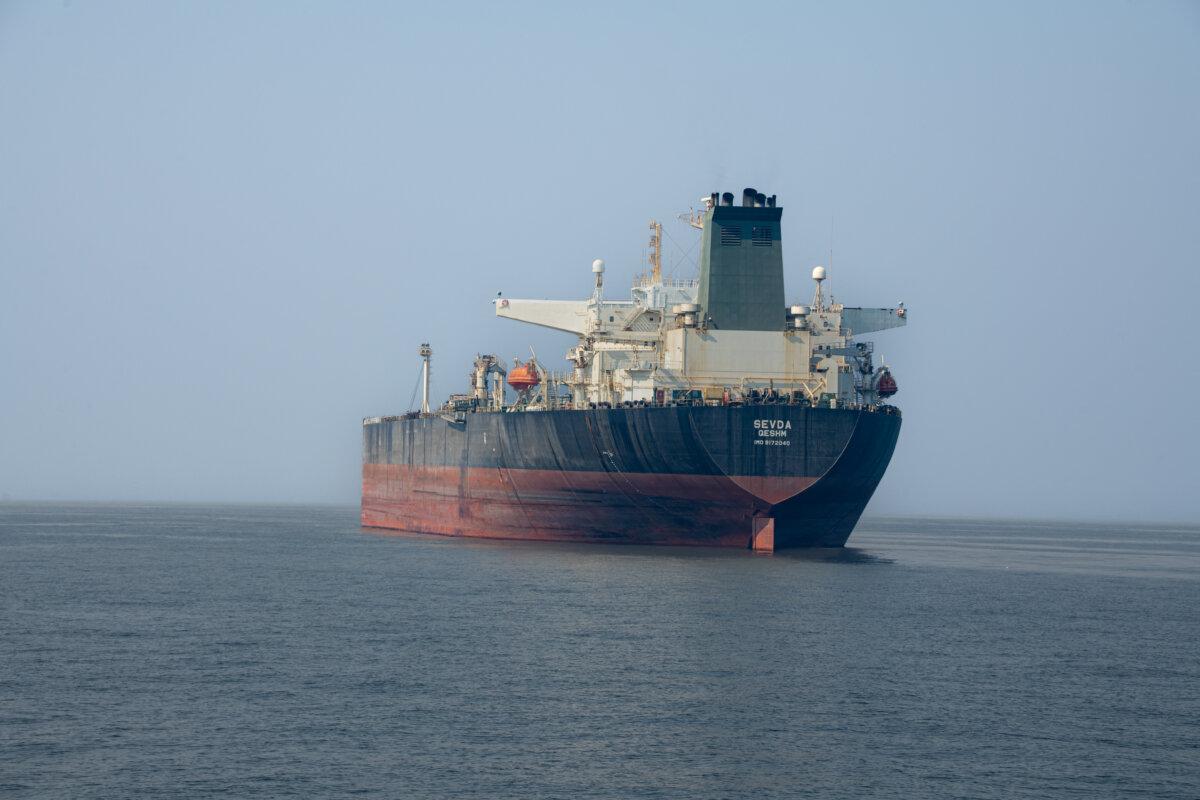
Balakrishnan said recent sharp escalations involving strikes on Iran and disruptions to shipping through the Strait of Hormuz have turned this mutually beneficial oil trade into a shared vulnerability.
“The strait is a narrow chokepoint through which roughly 20 percent of global oil trade passes; China alone imports millions of barrels per day via this route,” Balakrishnan said.
“If transit through Hormuz were severely restricted for a prolonged period, for example, a 30-day closure, as per our estimate, 300 to 330 million barrels destined for China could be stranded.”
Balakrishnan said that although purchasing Iranian barrels in Chinese yuan, or renminbi, helps advance the Chinese regime’s ambition to internationalize its currency, any disruption to this trade poses economic risks for Beijing.
“Losing that low-cost supply mix would push China toward more expensive alternatives, trimming profit margins for its refineries and potentially raising energy input costs across the economy,” he said.
But China isn’t entering this crisis empty-handed, as Beijing maintains extensive strategic petroleum reserves likely holding around 1.1 to 1.5 billion barrels amid ongoing expansion efforts, according to Balakrishnan.
“It gives Beijing an emergency buffer big enough to cover 150 to 200 days of net imports under stress. Add in commercial inventories and oil already in transit, and China has meaningful leeway before shortages bite,” he said.
Echoing Balakrishnan’s assessment, Alicia García Herrero, chief economist for Asia Pacific at Natixis Research, said a temporary disruption would have very little impact on China’s overall energy supplies.
Calculated Gamble
Beyond their robust oil trade, Beijing and Tehran operate as comprehensive strategic partners, solidifying their alignment through a 25-year strategic agreement signed in 2021.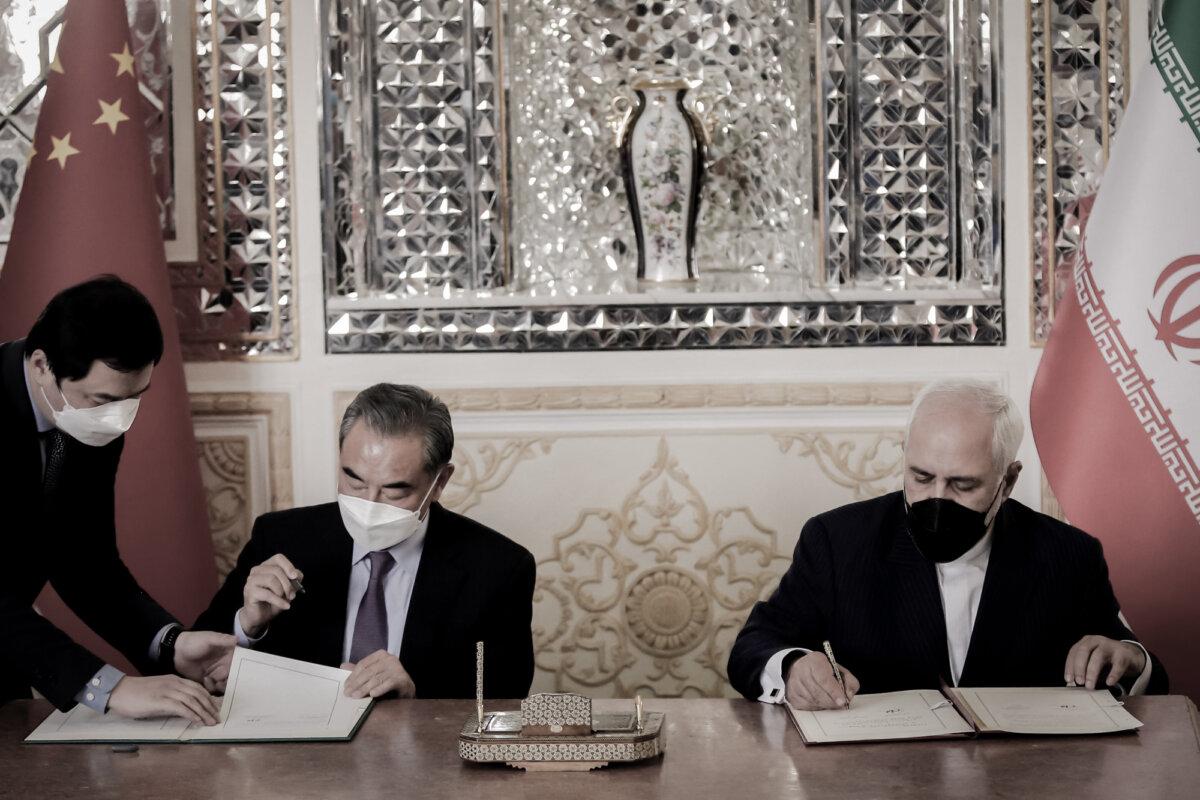
Shu said with Washington and Tehran locked in open conflict and a summit between U.S. President Donald Trump and Chinese leader Xi Jinping weeks away, Beijing has little appetite for deeper involvement, wary of a domestic mood it can no longer fully control.
“While Chinese state media like CCTV attempt to project a dire situation in Iran, citizens there are actually rejoicing over the eradication of their authoritarian religious regime,” Shu said.
“The eradication of Iran’s authoritarian regime creates deep embarrassment for Beijing, and the sentiment of the Chinese public also diverges significantly from official state narratives.”
Balakrishnan stated that the chaos engulfing Iran is disrupting Beijing’s Belt and Road Initiative investments in the Middle East and its efforts to quietly promote yuan-based trade beyond the dollar system, warning that the ultimate casualty may be China’s broader trade and political relationships across the Gulf region.
“Iran depends on China for survival, but China depends on Iran mainly for discounted leverage, and in a crisis, that leverage looks less like a pillar of strategy and more like a calculated gamble whose costs are only beginning to surface,” Balakrishnan said.
.
What's Your Reaction?
 Like
0
Like
0
 Dislike
0
Dislike
0
 Love
0
Love
0
 Funny
0
Funny
0
 Wow
0
Wow
0
 Sad
0
Sad
0
 Angry
0
Angry
0











Comments (0)