

6 Simple Ways to Turn Everyday Herbs Into Healing Remedies

.
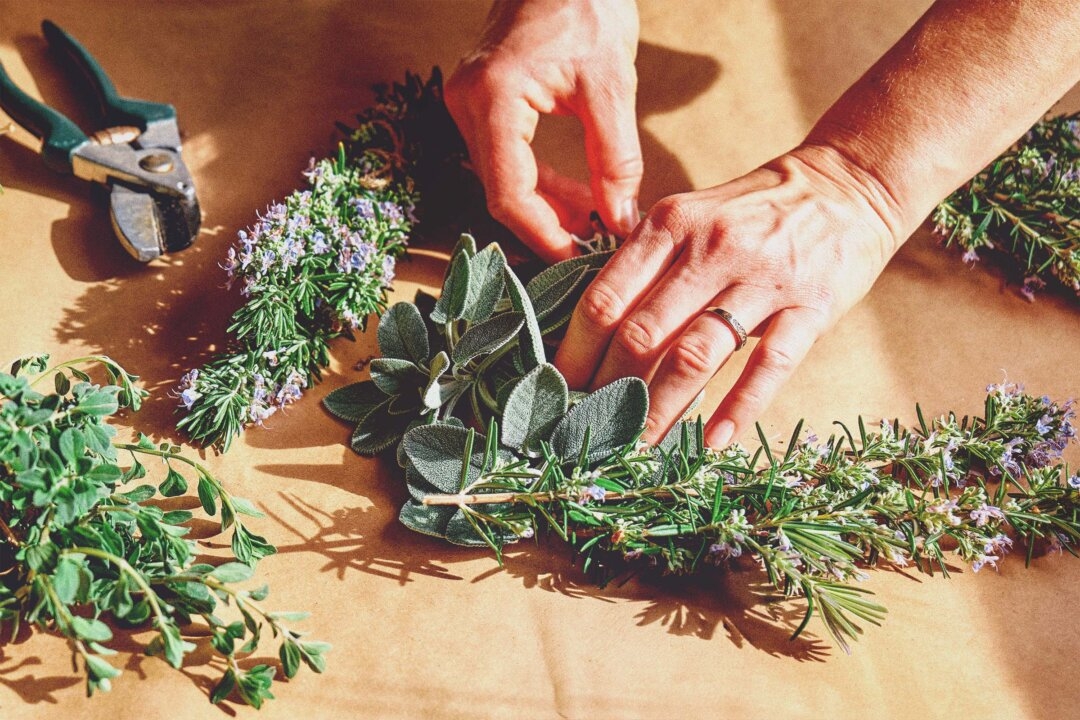
The plants in our backyards and kitchen cabinets can offer relief from everything from the common cold to the stress we feel after a long day of work, depending on how we prepare them.
The choice of preparation method depends on various factors, including the herb you’re using, the part of the plant it comes from, and the part of the body that needs relief.
Add Herbs and Spices to Food
The world of herbs can be overwhelming, especially if it’s new to you. An easy way to get comfortable is to start in the kitchen—with the herbs and spices in your spice rack. Garlic, ginger, cayenne, cinnamon, sage, and cilantro aren’t just flavor enhancers; they also provide vitamins, minerals, and medicinal benefits when added to your mealsTeas: Infusions and Decoctions
.

.
Most people think of herbal tea as a single thing, but there are different ways to prepare it. Tea is a simple way to transform herbs into a soothing beverage with healing effects.
“With teas, we have both infusions and decoctions,” world-renowned herbalist and ethnobotanist David Winston told The Epoch Times. “An infusion is a hot water extract—a decoction is simmered for a longer period of time.”
The distinction matters practically. Infusions are generally used for delicate plant parts such as leaves and flowers, while decoctions are used for tougher parts such as roots, stems, and seeds. Decoctions are more common in Chinese medicine because they typically use larger pieces of the plant, which are tougher and take longer for the water to penetrate, Winston said.
In an infusion, boiled water is poured over the herbs and left to steep for approximately 10 to 15 minutes before drinking. Decoctions are usually boiled in a pot with water and steeped longer to allow the plant parts to break down and release their beneficial compounds. Dried or fresh herbs can be used for both.
Tinctures: The Long Game
While teas make a great daily ritual, tinctures are well-suited for the long term.Tinctures are more concentrated preparations made by soaking herbs in a solvent that extracts and preserves the plant’s beneficial compounds. The solvent can be alcohol, vinegar, or glycerine. The herbs are left to soak for weeks to months, then strained out, leaving a tincture that often keeps for many years without refrigeration. Tinctures are ideal for remedies you want to have on hand rather than have to prepare fresh each time, and for more complex remedies that take time to make.
“Tinctures are shelf-stable for 10 years, but whole herbs and powdered herbs biodegrade more quickly, and are not as medicinal after a year or two,” clinical herbalist Geo Derick Giordano told The Epoch Times. She uses glycerines in her apothecary because they do not need to be refrigerated, as some preparations do.
Steam Inhalation: First Response for Colds
.

.
When congestion, sinus pressure, or other cold symptoms appear, a steam inhalation is a quick and direct intervention.
Herbalist Ashley Elenbaas told The Epoch Times that one of the ways she loves to use herbs is by making a facial steam, which works especially well at the first sign of a cold.
Using a shallow glass pie plate, you can add any of the Italian seasoning herbs—oregano, rosemary, thyme, sage—and mint, if you have some on hand. Place your herbs in the pie dish, add hot water, then lean over the plate, cover your head and the plate with a large towel, and breathe in the herbal steam.
“That steam is really good for reducing and helping with sinus drainage, for helping with sinus pressure, migraines, headaches, colds, and things like that,” she said.
Creating an herbal steam is a simple and effective way to open and moisten our airways, relieve congestion, and boost the immune system, as many herbs have immune-enhancing properties.
Using a heatproof bowl, pour boiling water over a tablespoon or two of your herbs of choice, and inhale for about 10 minutes, taking breaks or venting some of the steam if it gets too hot. You can also use herbal steams with essential oils, such as tea tree, for colds and congestion—but you only need a few drops.
Baths: The Full-Body Approach
Baths are perhaps the most luxurious and enjoyable way to reap the health benefits of herbs. Creating an herbal bath can be as simple as adding herbs/petals/flowers directly to your bath water, or by placing the herbs in a cloth pouch, tying it with a string, and tossing it into the tub.You can also place your herbs in an old sock or nylon and attach it to the faucet with a rubber band—you may have to get creative. This method allows hot water to flow through the herbs, releasing their beneficial compounds into the water. Think of it as bathing in a giant cup of tea.
You can also use a few drops of your favorite essential oil if you don’t have any fresh or dried herbs on hand.
Compresses, Poultices, and Liniments
For direct skin application, three external methods are worth exploring.Compresses and poultices are very effective delivery methods for applying herbs directly to the skin to accelerate healing. A compress uses a clean cloth—preferably made of natural fibers like cotton or linen—soaked in hot tea, either an infusion or a decoction, and then applied to the skin to deliver the herb’s benefits.
Both methods are typically used for external skin conditions such as rashes, burns, or insect bites, to reduce inflammation and relieve pain, or to draw out toxins or splinters.
Liniments are alcohol tinctures applied externally (only) to disinfect cuts and wounds and relieve sore muscles. They are readily absorbed through the skin and are often massaged into sore muscles and ligaments to relieve pain.
Final Thoughts
The world of herbs is vast, but it doesn’t have to be intimidating. Herbs have evolved with us and can help us heal and regain our equilibrium if we incorporate them into our lives. Explorations through your backyard or kitchen cabinets are a wonderful place to start.Here is a simple framework to guide you. For everyday prevention, cook with herbs. For acute symptoms such as congestion or a sore throat, a steam inhalation or gargle works fast. For stress, anxiety, and sleep, teas and baths are wonderful options for relaxation. For remedies you want to keep on the shelf, tinctures are a practical choice. For skin and muscle issues, reach for a compress, poultice, or liniment.
Start with what you already have, and the rest will come naturally. Happy exploring!
.
What's Your Reaction?
 Like
0
Like
0
 Dislike
0
Dislike
0
 Love
0
Love
0
 Funny
0
Funny
0
 Wow
0
Wow
0
 Sad
0
Sad
0
 Angry
0
Angry
0














Comments (0)