

How the US Operation to Capture Maduro Unfolded

.
Late in the evening on Jan. 2, President Donald Trump ordered U.S. special operations forces to launch a helicopter-borne raid on the Venezuelan capital city of Caracas to capture the wanted Venezuelan leader Nicolás Maduro. The operation that followed was the culmination of months of preparation and weeks of waiting for the perfect window of opportunity.
It was a complex mission with a lot that could have gone wrong, officials said.
In the early morning hours on Jan. 3, dozens of manned and unmanned U.S. military aircraft began targeting Venezuela’s air defense arrays, paving the way for the helicopter-borne assault team to land at a fortified compound where Maduro and his wife were staying. Within minutes of landing, those special operations troops had managed to rush through the complex and catch the Venezuelan leader and his wife, Cilia Adela Flores de Maduro, before they could barricade themselves in a safe room and potentially wait for the Venezuelan military to come to their rescue.
Raising the Pressure
Maduro has long been on the U.S. government’s wanted list. In March 2020, a federal judge in the Southern District of New York unsealed an indictment against Maduro and other high-ranking Venezuelan officials, alleging he has been at the head of a narcotics trafficking ring with ties to U.S.-designated terrorist groups.By September, Trump began ordering lethal strikes targeting drug boats operating in the Caribbean and the eastern Pacific. Upon announcing the first strike on Sept. 2, Trump identified those targeted as members of Tren de Aragua (TDA), a Venezuela-based criminal enterprise the U.S. State Department designated as a terrorist group earlier on in 2025.
The Trump administration has continued to cast Maduro as a drug-trafficking kingpin. In November, the State Department designated the Cartel de Los Soles—or Cartel of the Suns—as a foreign terrorist organization, with Maduro as its head. The Cartel de Los Soles is a criminal enterprise grafted into the Venezuelan regime, and has been described in various media sources since the 1990s—even before Maduro took power.
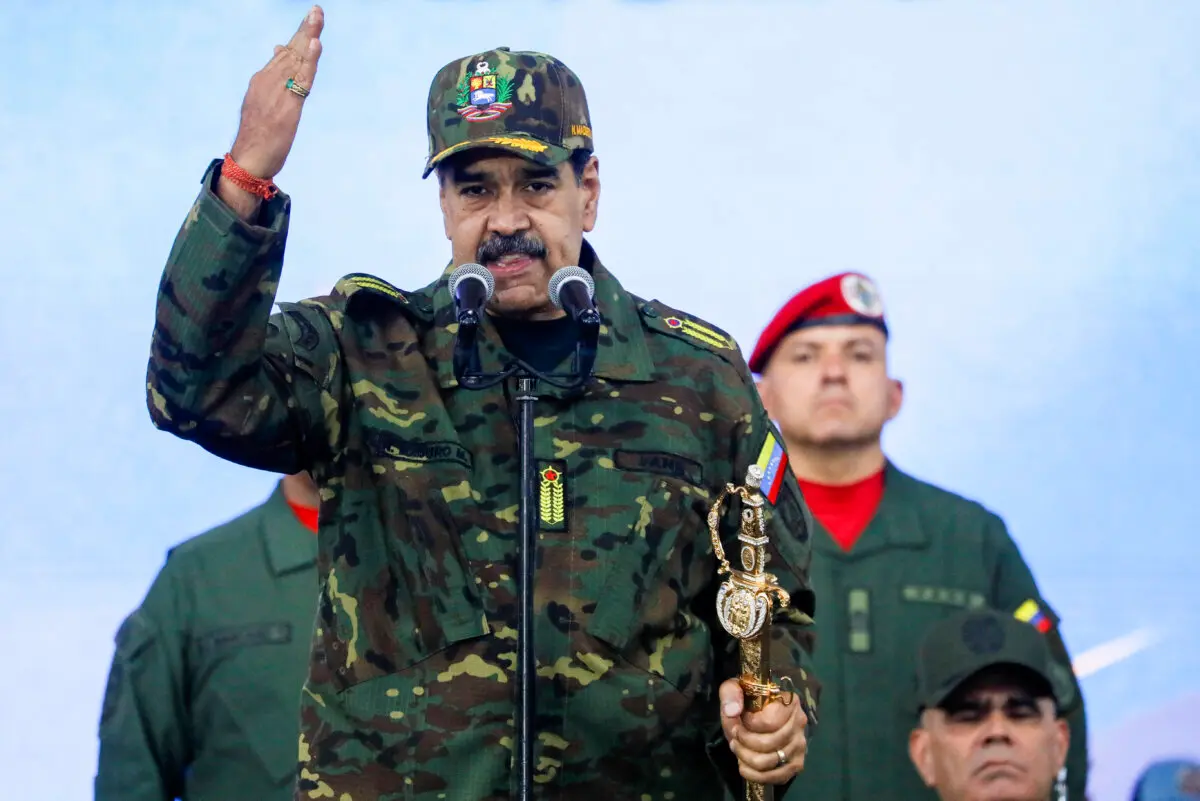
“I sort of made up my mind,” Trump told reporters aboard Air Force One on Nov. 14. “We’ll see what happens. I mean, I can’t tell you what it is, but we’ve made a lot of progress on Venezuela in terms of stopping drugs from pouring in.”
Beginning in December, Trump announced a blockade of sanctioned oil tankers coming in and out of Venezuela. Since December, U.S. forces in the region have seized two oil tankers and chased a third away from Venezuela.
Even as the pressure campaign played out, Trump said he offered Maduro a chance to step down.
Tracking Maduro
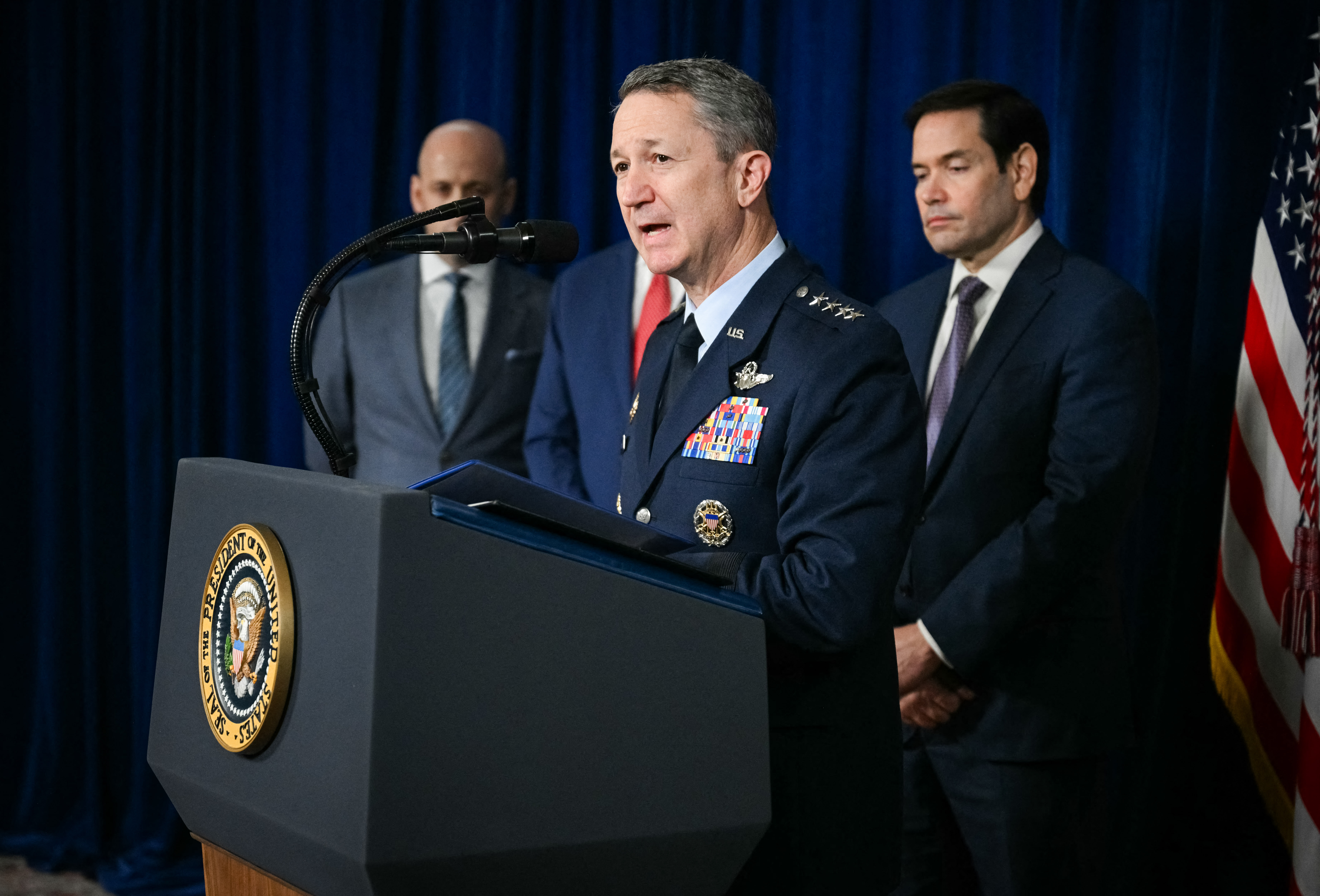
While the military assault only lasted a few hours, it followed months of intelligence community efforts to determine where Maduro would be hiding and the array of defenses he would have at his disposal.Joining Trump at his Saturday press conference, Chairman of the Joint Chiefs of Staff Gen. Dan Caine said the intelligence support for the mission included the Central Intelligence Agency and the National Security Agency. Space-based capabilities, including assets managed by the U.S. Space Force and the National Geospatial-Intelligence Agency, also played a role in tracking Maduro’s whereabouts.
Caine said those intelligence capabilities monitoring Maduro studied “how he moved, where he lived, where he traveled, what he ate, what he wore, what were
.
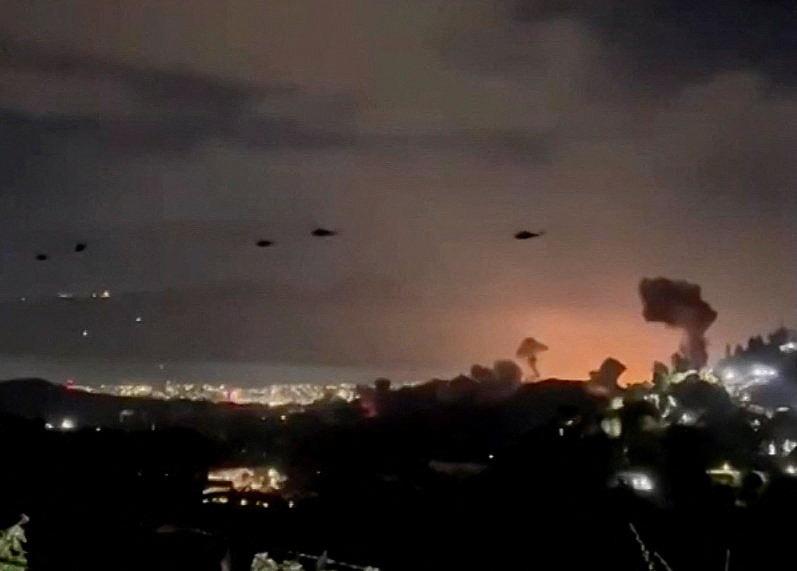
“That’s where they bombed. And there, they carried out what we could call a kidnapping of the president and the first lady of the country,” Fernández said.
While the intelligence component gathered all the minute details they could about Maduro’s whereabouts, the assault force trained extensively on a model of Maduro’s compound.
The Window of Opportunity
By early December, as many in the general public looked to the holiday season and the new year, the pieces for the operation were finally in place. From there, it became a waiting game.By Jan. 2, those precise conditions had become clear. At 10:46 p.m. EST, Trump ordered the mission to proceed.
Carving a Path
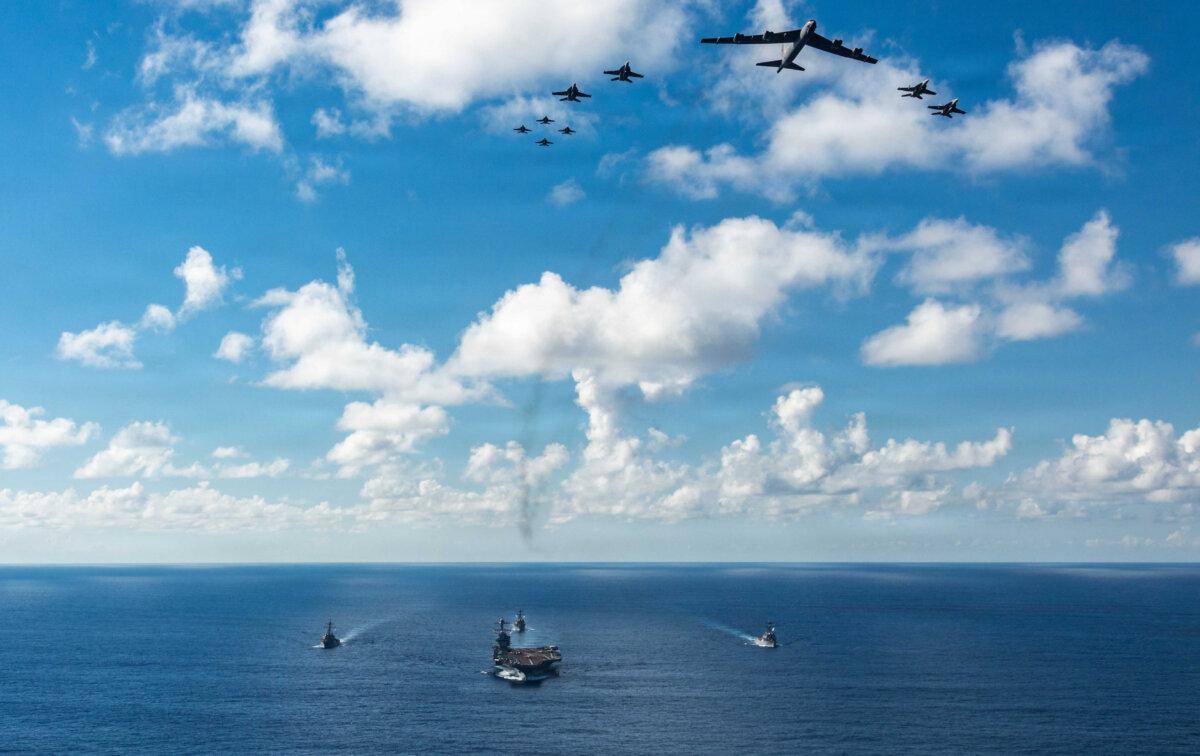
At Trump’s order, Caine said U.S. forces moved ahead with what the administration has called Operation Absolute Resolve.More than 150 U.S. military aircraft—drawn from the U.S. Navy, Marine Corps, Air Force and Air National Guard—supported the mission.
In addition to those helicopters that carried the assault force to capture Maduro, Caine listed off F-22 Raptor and F-35 Lightning II stealth fighter jets, F-18 Super Hornet fighters, and B-1b Lancer bombers.
.
EA-18G Growler electronic warfare aircraft also assisted in the suppression of Venezuela’s air defenses.
Caine said other support aircraft, including numerous remotely piloted drones, also assisted the mission.
“As the force began to approach Caracas, the joint air component began dismantling and disabling the air defense systems in Venezuela, employing weapons to ensure the safe passage of the helicopters into the target area,” Caine said.
Amid the chaos raining down on Venezuela’s air defenses, Caine said mission planners assessed that the helicopter-borne assault force had managed to remain virtually undetected, and proceeded to their objective.
A Race Through Chaos
By 1:01 a.m. EST, the helicopter-borne assault force had reached Maduro’s fortified compound.Caine said the helicopters came under fire as they approached the compound and returned fire.
“One of our aircraft was hit, but remained flyable,” the general said, adding that all of the aircraft involved were able to safely return to their launch points.
Once the assault force touched down, operators were able to race through the fortified compound to reach Maduro.
Trump said Maduro had attempted to flee to a steel-clad safe room within the compound, but the assault force caught up to him before he could lock himself away, even after trading fire with numerous defensive forces along the way.
“He wasn’t able to make it to the door because our guys were so fast,” Trump added.
Even if Maduro had managed to hunker down in his safe room, Trump said the team was ready to break through the steel doors to get to him.
“We would have had the door blown up in about 47, I think 47 seconds,” he said.
The fighting continued even after the assault force had caught up to Maduro, and as they proceeded to take him and his wife to the waiting helicopters.
“There were multiple self-defense engagements as the force began to withdraw out of Venezuela,” Caine said. “The force successfully exfiltrated and returned to their afloat launch bases, and the force was over the water at 3:29 a.m.”
.
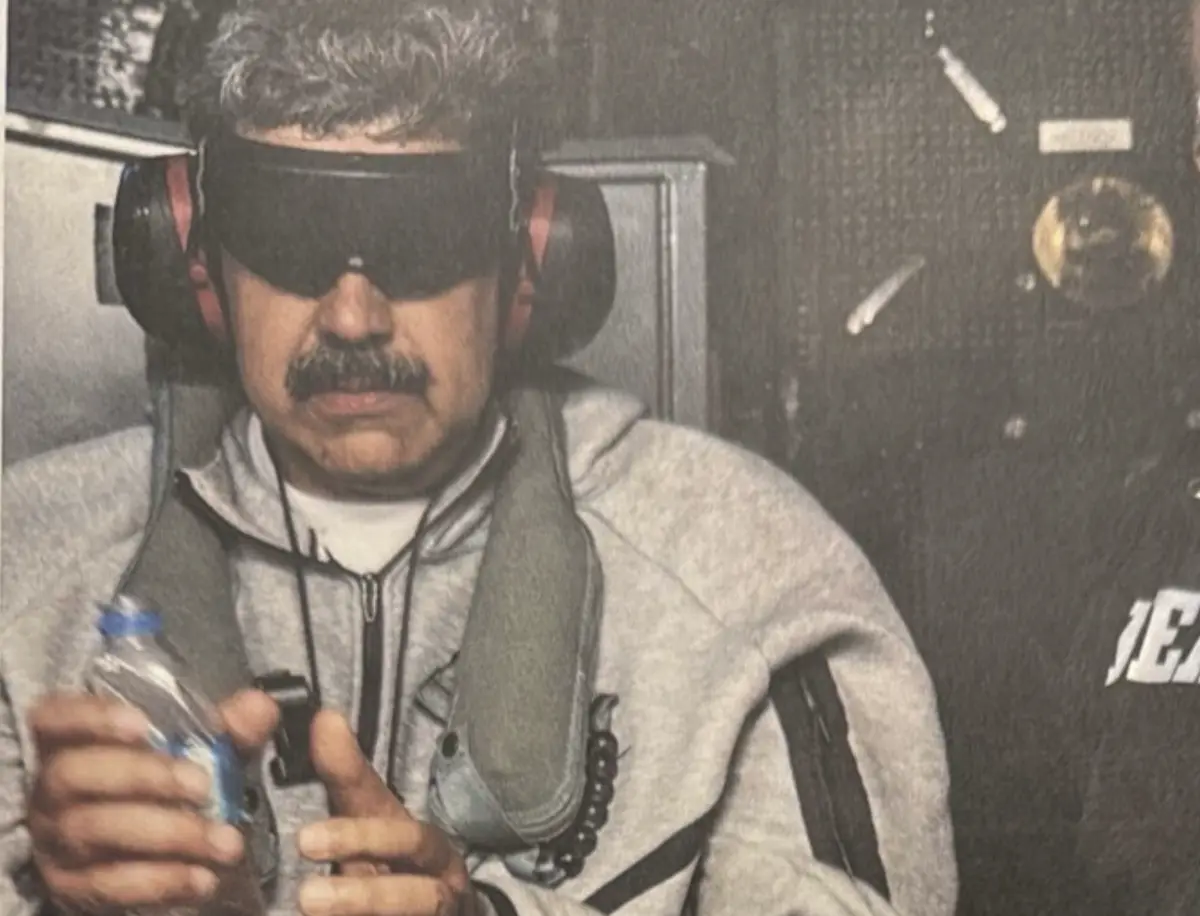
Trump has since posted a photo of Maduro, purporting to show him blindfolded and handcuffed aboard the USS Iwo Jima amphibious assault ship. An individual wearing a U.S. Drug Enforcement Administration patch could be seen at Maduro’s side.
“No other country on planet Earth, and it’s not even close, could pull this kind of operation off,” Secretary of War Pete Hegseth said.
.
What's Your Reaction?
 Like
0
Like
0
 Dislike
0
Dislike
0
 Love
0
Love
0
 Funny
0
Funny
0
 Wow
0
Wow
0
 Sad
0
Sad
0
 Angry
0
Angry
0













Comments (0)