

Venezuela’s Broken Oil Industry and Trump’s Plan to Rebuild It After Maduro’s Ouster


.
Venezuela holds the world’s largest proven oil reserves, yet its petroleum industry—once among the most productive on earth—has been reduced to a fraction of its former capacity after years of mismanagement, underinvestment, and international sanctions.
Vast Reserves, Limited Output
Venezuela sits atop roughly 303 billion barrels of proven crude reserves, or about 17 percent of global reserves, according to the U.S. Energy Information Administration (EIA)—more than any other country, including Saudi Arabia. Most of that oil is concentrated in the Orinoco Belt, where extra-heavy crude dominates.At its peak in the 1970s, Venezuela produced about 3.5 million barrels per day, accounting for more than 7 percent of global oil supply. Production slipped below 2 million barrels per day during the 2010s and averaged roughly 1.1 million barrels per day last year, or about 1 percent of world output, according to official figures.
Energy analysts have said that even under a new political order, Venezuela’s oil output recovery would be gradual.
“If developments ultimately lead to a genuine regime change, this could even result in more oil on the market over time,” said Arne Lohmann Rasmussen of Global Risk Management. “However, it will take time for production to recover fully.”
.
Nationalization and Decline
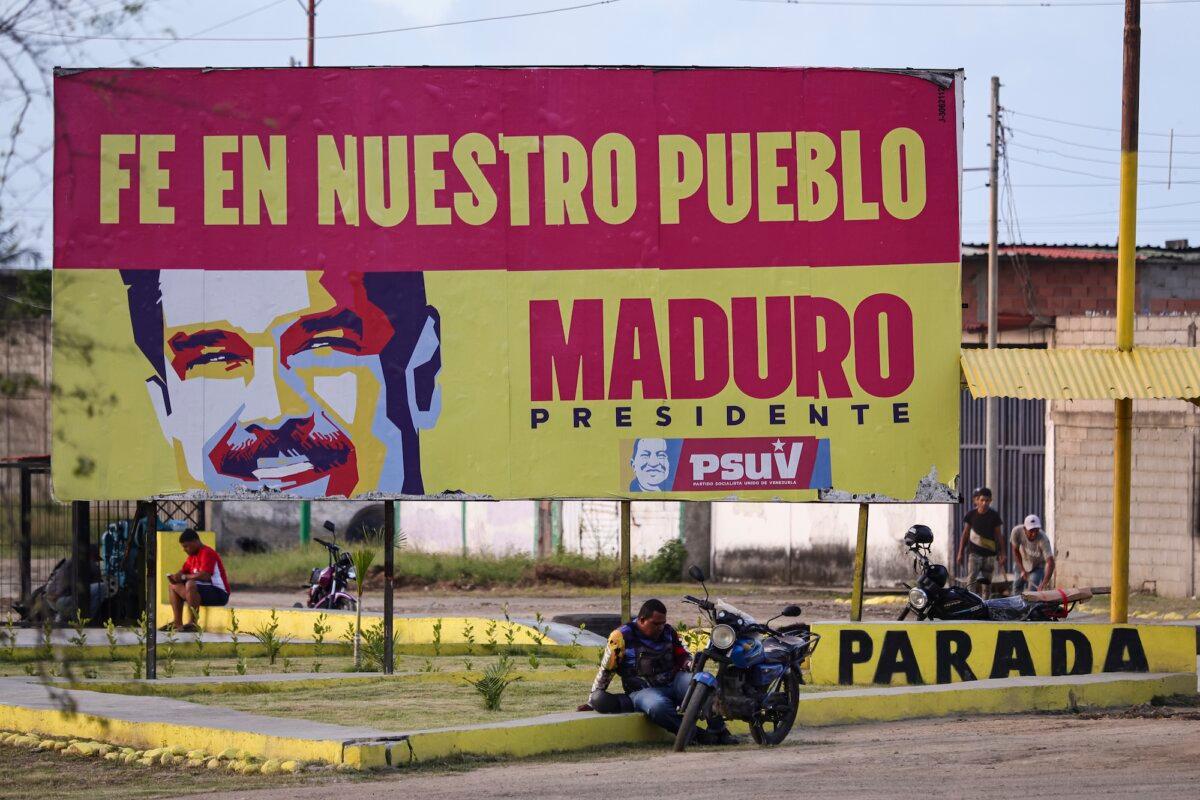
In the 1970s, Venezuela nationalized its oil industry, creating state-owned Petróleos de Venezuela S.A. (PDVSA). The Venezuelan government partially reopened the sector to foreign investment in the 1990s, allowing international firms to participate in upstream projects.Joint ventures persisted—with companies such as Chevron, Total, ENI, China National Petroleum Corporation, and Russia’s Rosneft—but production steadily declined.
Trump has blamed Venezuela’s socialist policies for the collapse, saying that the country’s oil infrastructure was originally built with U.S. capital and expertise and later expropriated under Chávez and his successors.
“We built Venezuela oil industry with American talent, drive, and skill, and the socialist regime stole it from us during those previous administrations,” he said. “This constituted one of the largest thefts of American property in the history of our country.”
.
Sanctions and Shifting Exports
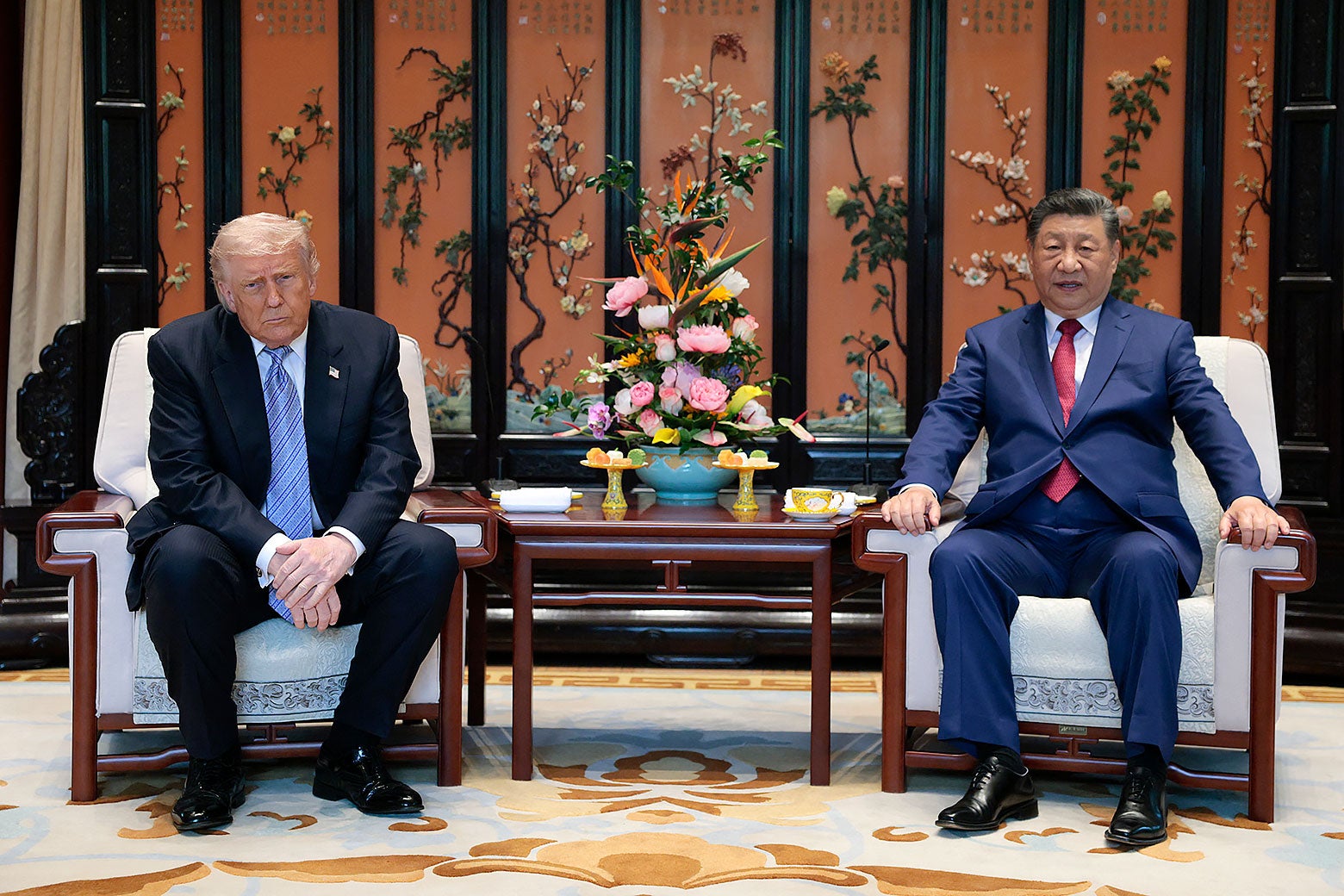
U.S. sanctions imposed during previous administrations sharply curtailed Venezuela’s access to global markets and financing, accelerating the industry’s deterioration. Once the top destination for Venezuelan crude, the United States was largely replaced by China as the country’s main buyer over the past decade.Venezuela owes about $10 billion to China after Beijing became its largest lender under Chávez. Much of that debt has been repaid in oil shipments, often transported by very large crude carriers previously co-owned by Chinese and Venezuelan entities.
Those flows were disrupted after Trump announced a blockade on tankers entering or leaving Venezuela. According to PDVSA documents and shipping data, exports have been mostly halted, with several vessels awaiting instructions offshore.
Trump told reporters at the Jan. 3 briefing that China would get the oil, while also stating that the United States would sell Venezuelan oil globally under its management.
“In terms of other countries that want oil, we’re in the oil business,” Trump said. “We’ll be selling oil, probably in much larger doses.”
Infrastructure in Disrepair
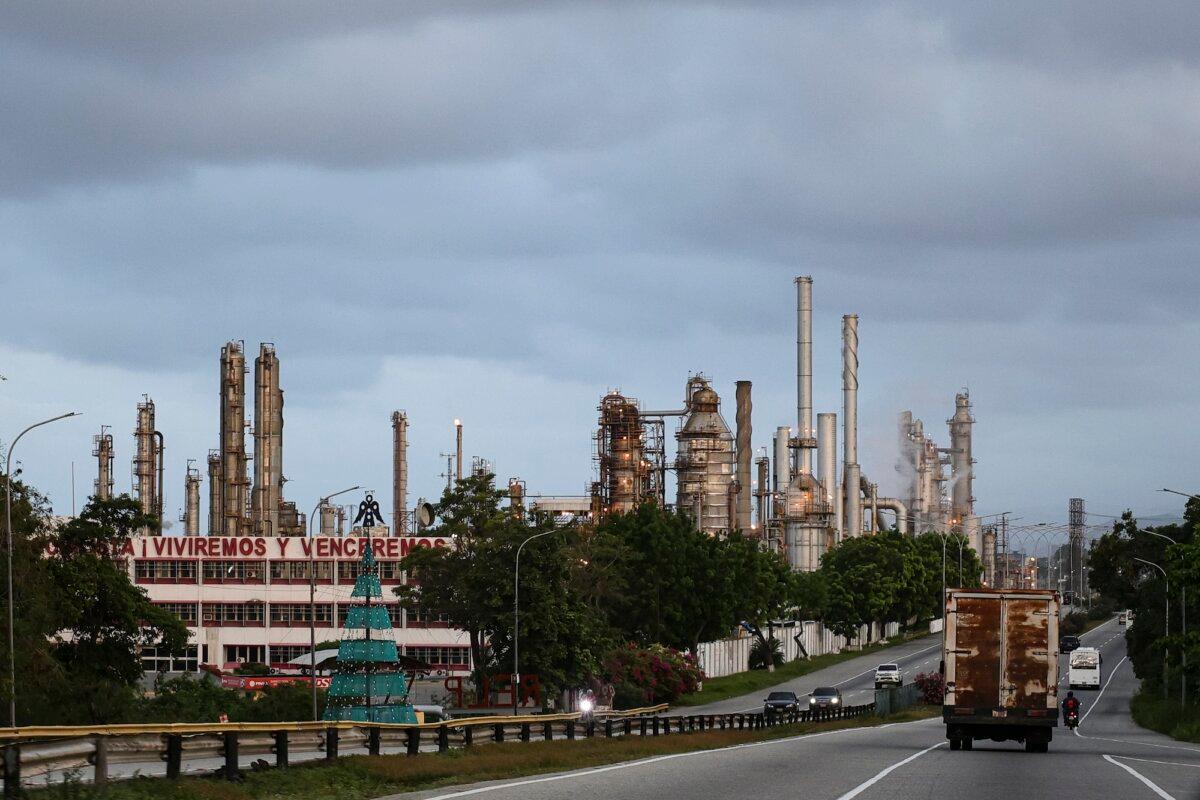
Years of neglect have left Venezuela’s oil infrastructure in poor and, in some cases, hazardous condition. Refineries operate far below capacity, pipelines suffer leaks, and power outages regularly disrupt production.“The infrastructure is rotted,” Trump said at the briefing. “It’s actually very dangerous. It’s, you know, blow up territory.”
Trump said U.S. oil companies would finance reconstruction directly, with costs ultimately recouped from oil revenues.
“We’re going to rebuild the oil infrastructure, which will cost billions of dollars,” he said. “It will be paid for by the oil companies directly. They will be reimbursed for what they’re doing.”
.
Geopolitical Stakes
Venezuela was a founding member of OPEC, alongside Saudi Arabia, Iran, Iraq, and Kuwait. Any sustained increase in Venezuelan output could eventually affect global oil balances, particularly if sanctions are lifted and foreign investment returns.Yet analysts warn that post-conflict oil recoveries are rarely smooth.
“History shows that forced regime change rarely stabilizes oil supply quickly, with Libya and Iraq offering clear and sobering precedents,” said Jorge Leon of Rystad Energy.
US Oversight and Deterrence
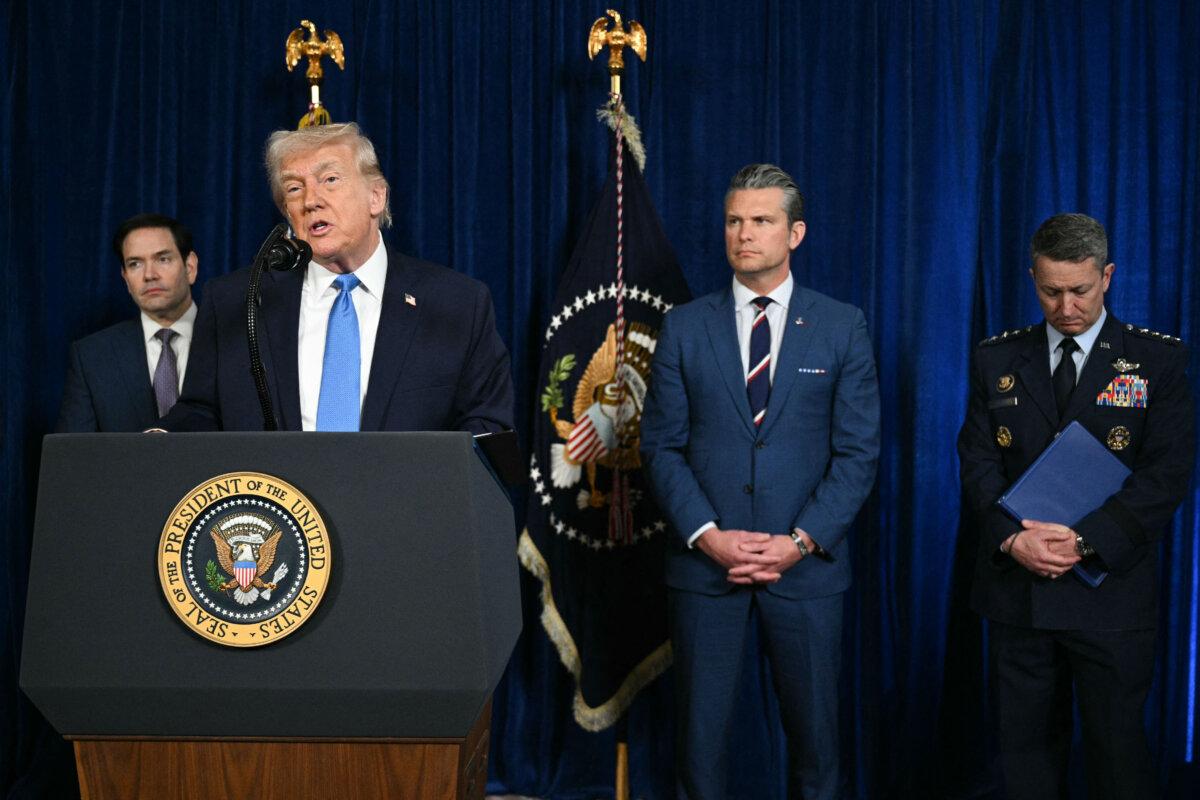
Trump said the United States would remain in Venezuela until a “safe, proper, and judicious transition” is complete, designating Secretary of State Marco Rubio and Secretary of War Pete Hegseth to help oversee the process.“We’re not going to just do this with Maduro then leave” and “let it go to hell,” Trump said during the Jan. 3 briefing. “We’ll run it properly. We’ll run it professionally.”
Speaking at the briefing, Hegseth said the operation should serve as a warning to U.S. adversaries.
“America can project our will anywhere, anytime,” he said. “President Trump is ... deadly serious about getting back the oil that was stolen from us, and deadly serious about reestablishing American deterrence and dominance in the Western Hemisphere.”
“This is about the safety, security, freedom, and prosperity of the American people,” Hegseth added. “This is America first.”
What's Your Reaction?
 Like
0
Like
0
 Dislike
0
Dislike
0
 Love
0
Love
0
 Funny
0
Funny
0
 Wow
0
Wow
0
 Sad
0
Sad
0
 Angry
0
Angry
0












Comments (0)