

How China’s Market Dominance Tactics Call for Caution on EV Tariff Concessions


.
Beijing’s escalation of tariffs on Canadian agricultural products has prompted prominent voices such as Saskatchewan Premier Scott Moe to push Ottawa to drop its tariffs on Chinese EVs.
But Canada and other Western countries should be careful not to lose sight of the Chinese Communist Party’s generational targeted plans to dominate strategic sectors and make other countries dependent on it, warns Sheng Xue, a Chinese Canadian author and democracy activist.
She said in an interview that if Beijing’s economic practices go unchallenged, the regime “would convert its economic dominance into geopolitical leverage, undermining national sovereignty and policy independence.”
China and the Canadian EV Market
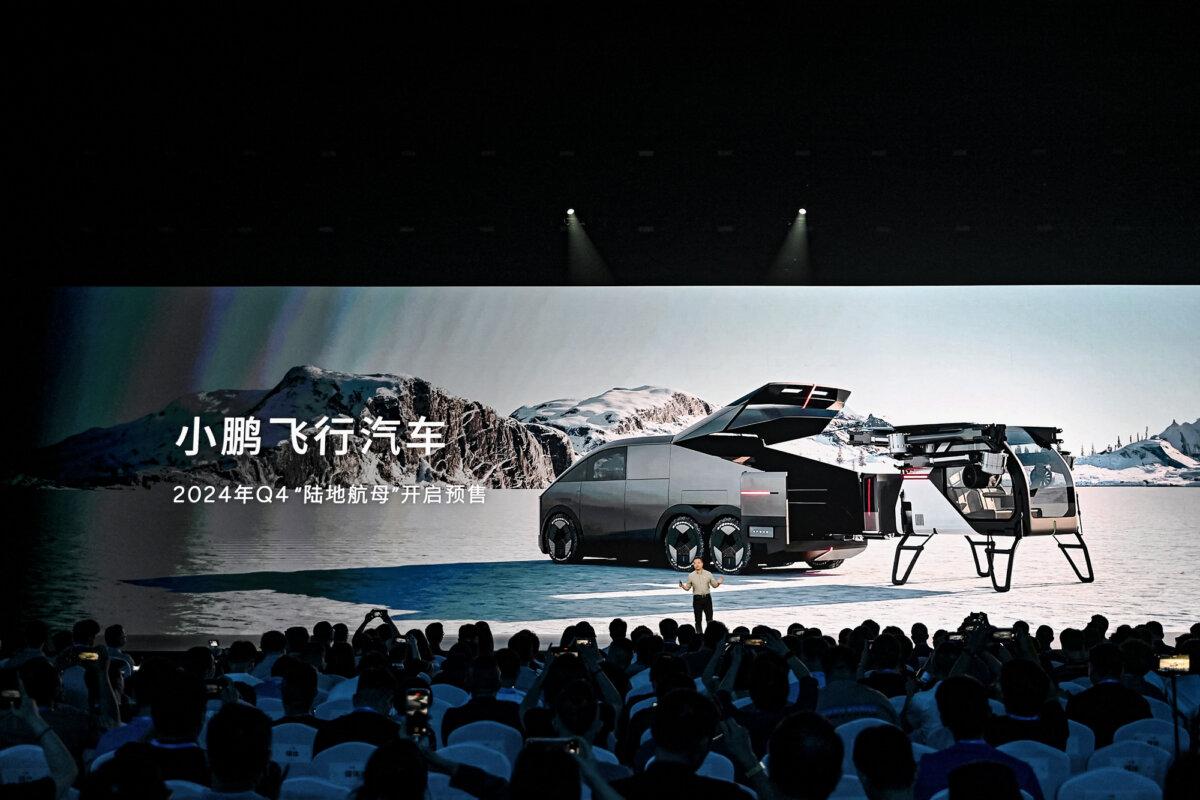
Beijing has been putting increased focus on what it calls China’s “new trio”: solar photovoltaics, lithium-ion batteries, and electric vehicles.Before Ottawa imposed tariffs on Beijing, imports of Chinese EVs grew dramatically from $84 million in 2022 to almost $2.3 billion in 2023, according to Canadian government data. Chinese-made EVs also increased their share of Canada’s EV sales market during that period, from 2 percent in 2022 to 11.3 percent in 2023.
.
China’s Strategic Takeovers
The Chinese regime has used state subsidies for years to bolster domestic industries and gain dominance in strategic markets. The goal of this strategy is to eliminate competitors in targeted sectors and establish monopoly-like conditions in global markets, with China positioned as the dominant player.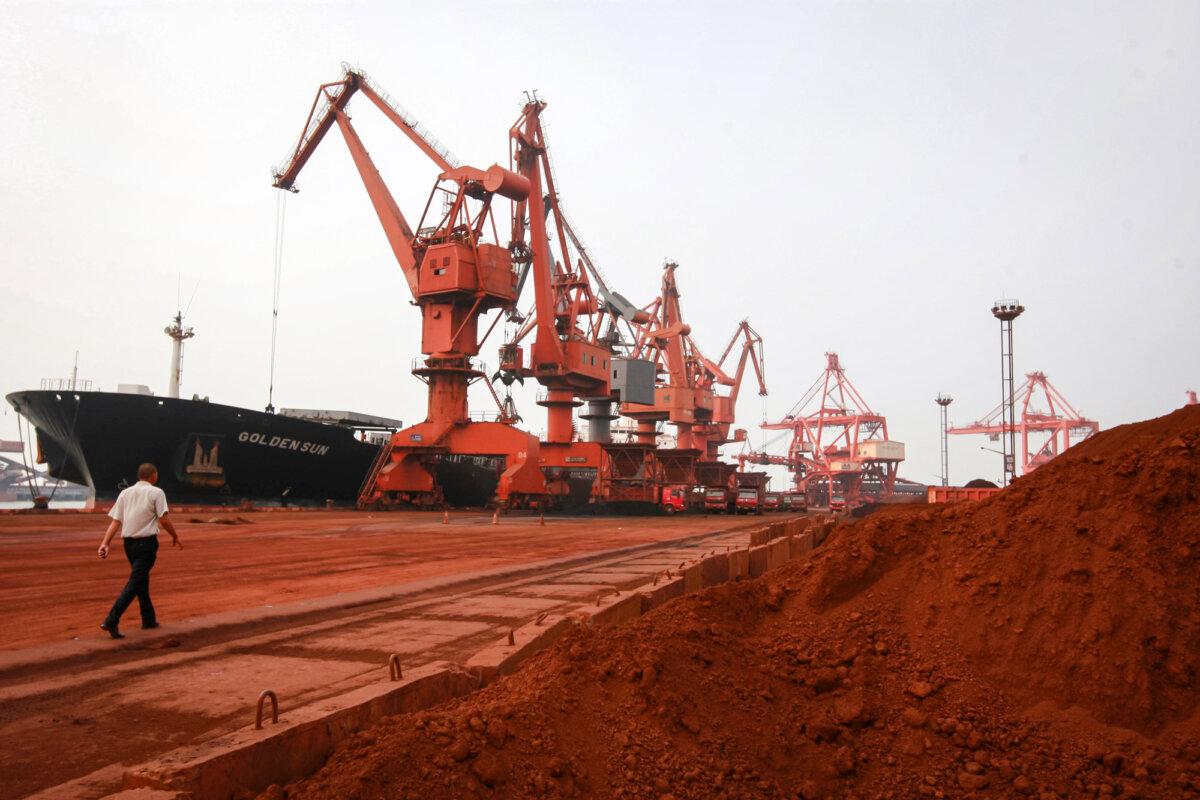
Heads of state at this year’s G7 Leaders Summit in Canada established an action plan to create “resilient critical minerals supply chains governed by market principles.”
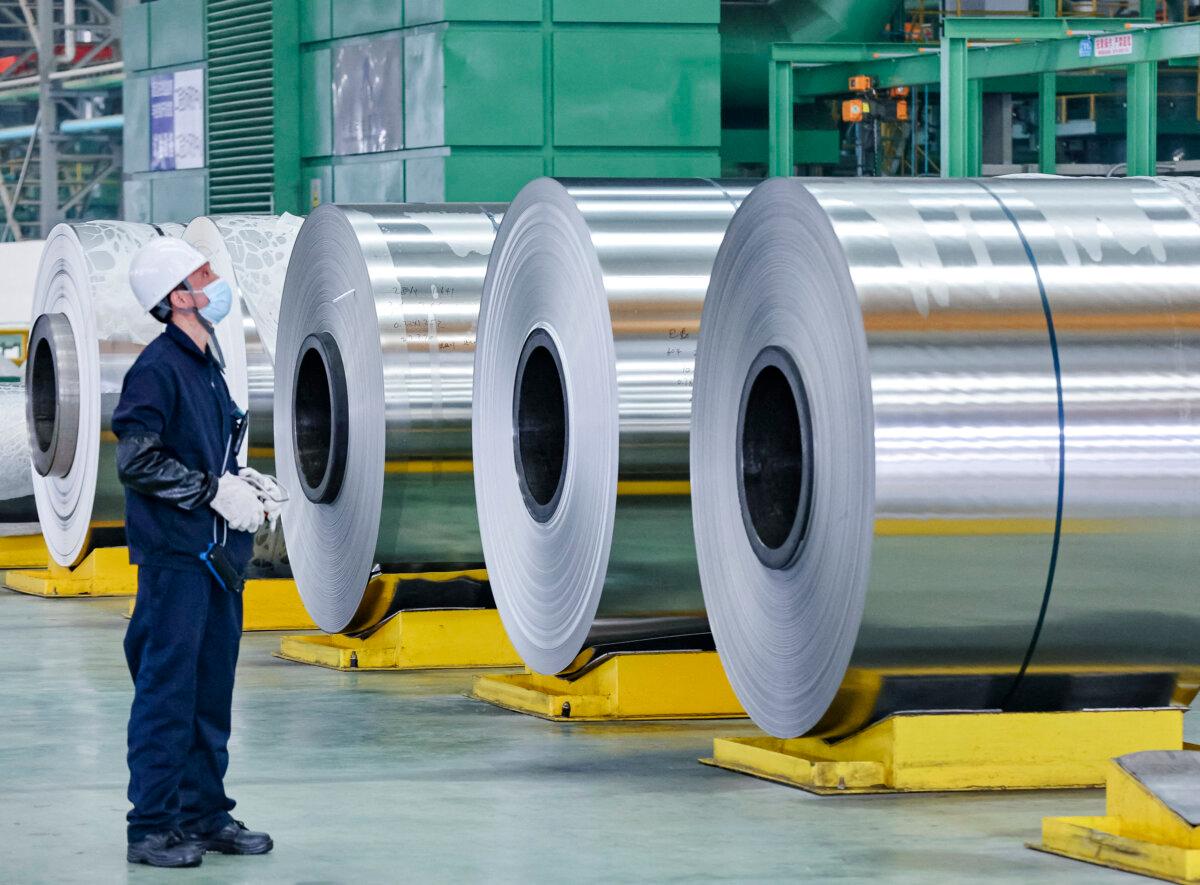
The aluminum industry has likewise seen China’s production expand. China added more production capacity than the rest of the world combined between 2011 and 2016 than in the previous 25 years, according to the same report, which notes the expansion was driven by “strong state support for state-owned domestic firms through below-market credit and other instruments.”
But the report by the Center for Strategic and International Studies notes that the rapid growth of China’s EV industry has largely been supported by government policies, including subsidies directed at domestically produced vehicles, tax credits for companies, and other forms of state assistance.
When Ottawa announced the implementation of 100 percent tariffs on Chinese electric vehicles in 2024, it cautioned against China’s “non-market support” for its EV sector and the consequences for the Canadian and global market.
Trade Weaponization and Alignment of Values
Besides their economic impact, decisions on whether to keep or remove the tariffs could affect Canada’s future capacity to negotiate and act in accordance with its values, says Sheng Xue.She told The Epoch Times that allowing China to dominate industries that are key for Canada would increase its dependence on Beijing.
“Excessive dependence on Chinese EVs and critical metals would leave Canada vulnerable to supply disruptions or price manipulation during political conflicts,” she said, adding it would also “weaken Canada’s leverage in negotiations on far more important issues such as human rights, transnational repression, and intellectual property theft.”
She says that lifting tariffs on Beijing to solve the canola dispute is not a viable solution. Instead, she says, Canada should be looking into diversifying its export markets for its agricultural products.
“Lifting tariffs might bring short-term relief, but the long-term costs far outweigh any benefits,” she said.
“Canola farmers do face real challenges, but the solution lies in diversifying export markets, not in becoming dependent on China’s single market.”
.
What's Your Reaction?
 Like
0
Like
0
 Dislike
0
Dislike
0
 Love
0
Love
0
 Funny
0
Funny
0
 Wow
0
Wow
0
 Sad
0
Sad
0
 Angry
0
Angry
0















Comments (0)