

Beijing's New Taiwan Gambit: How China Is Using Global Chaos to Reshape Its Strategy in Asia
As the Middle East crisis continues to dominate global headlines, Beijing is quietly but aggressively recalibrating its strategy toward Taiwan and Japan. China is courting Taiwan's opposition party ahead of 2028 elections, escalating pressure on Tokyo, and attempting to present itself as a responsible global power — all at the same time.

.
China Seizes the Moment
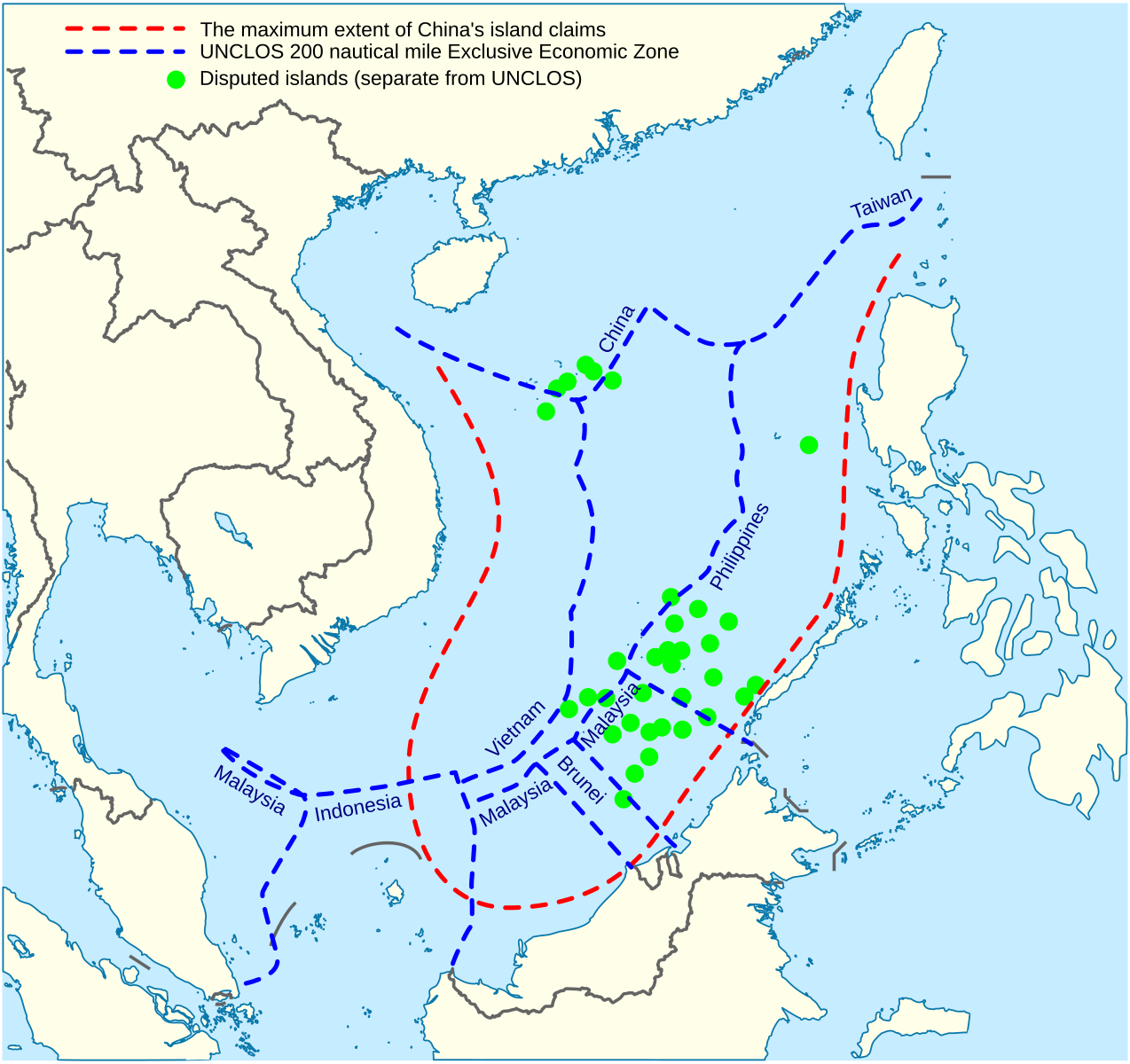
While the world watches the unfolding crisis in the Persian Gulf, Beijing is busy on multiple fronts closer to home. Chinese warships are active in disputed waters near the Philippines. Diplomatic tensions with Japan are rising sharply. And China's ruling Communist Party is making its most direct push yet to influence Taiwan's next presidential election, set for 2028.
These moves are not coincidental. Analysts say the Chinese Communist Party (CCP) under General Secretary Xi Jinping is deliberately exploiting the current period of global distraction to accelerate its regional agenda — one that has Taiwan at its center.
Taiwan's Opposition Gets a Beijing Embrace
In a high-profile meeting in Beijing last week, newly elected Kuomintang (KMT) party leader Cheng Li-wun made a striking offer: she would invite Xi Jinping to visit Taiwan if her party wins the 2028 presidential election. The KMT is Taiwan's main opposition party and historically favors closer ties with mainland China.
Beijing responded warmly. For the CCP, a KMT victory in 2028 offers a far more appealing path than military confrontation — one that could bring Taiwan into closer political alignment without firing a single shot.
This marks a significant shift in how the CCP is framing its Taiwan narrative. For years, Western military planners and U.S. officials focused on a potential Chinese military invasion, often citing 2027 as a critical deadline — the year by which Beijing was thought to want its military ready for such a scenario. Now, Beijing appears to be pushing that timeline to the side, at least publicly, and betting instead on political realignment through Taiwan's democratic process.
The 2028 Election as Beijing's New Focal Point
This recalibration matters. The CCP is now treating Taiwan's 2028 election as a pivotal moment — not just an internal democratic event, but a strategic opportunity. If the KMT wins, Beijing has promised dramatically warmer relations. If the ruling Democratic Progressive Party (DPP) wins again, the CCP has signaled it will step up confrontation and push harder for international isolation of Taipei.
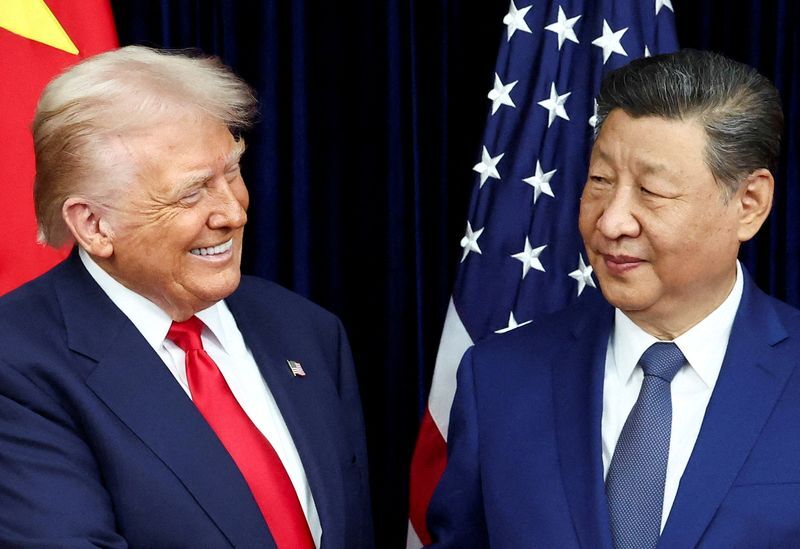
Taiwan's current DPP government is watching closely. Of particular concern in Taipei is the long-delayed summit between U.S. President Donald Trump and Xi Jinping. There are fears that Taiwan could become a bargaining chip — that Beijing might press Washington to reduce its support for the island in exchange for Chinese cooperation on other issues, including the Gulf crisis.
Such fears are not unfounded. Trump's approach to foreign policy has consistently prioritized bilateral deal-making over traditional alliance commitments. His administration's willingness to negotiate directly with adversaries while pressuring allies leaves Taiwan's government in an uncomfortable position of uncertainty.
Japan Becomes a Target
Japan is increasingly in Beijing's crosshairs. The trigger: comments by Japan's new Prime Minister Sanae Takaichi, who stated in November that a Chinese takeover of Taiwan would represent a direct threat to Japan's own security — language Beijing found unacceptable.
Since then, Chinese officials and state media have responded with escalating criticism of Tokyo. There is particular concern in Beijing about the possibility — however remote — that Japan might reconsider its long-standing non-nuclear policy, a move that would fundamentally alter the strategic calculus in the region.
Prime Minister Takaichi has reaffirmed Japan's commitment to its non-nuclear status. But her government is clearly intent on deepening international ties. This week, Tokyo hosted more than 30 ambassadors from NATO and partner nations, signaling Japan's determination to strengthen security cooperation across the board.
The paradox for Beijing is clear: its aggressive posture toward Japan is pushing Tokyo closer to the very alliances China is trying to weaken.
Beijing's Global Ambitions — and Their Limits
The CCP is simultaneously trying to position itself as a responsible global power amid the Middle East turmoil. Xi Jinping met a string of world leaders in Beijing this week — including Spanish Prime Minister Pedro Sanchez, Russian Foreign Minister Sergei Lavrov, and leaders from Vietnam and the UAE. The message from Beijing: while others create chaos, China stands for stability and dialogue.
This narrative has found some receptive audiences, particularly in Europe, where U.S. actions — not only in the Gulf but also over Greenland — have prompted a serious reappraisal of relations with Washington. EU foreign policy chief Kaja Kallas has described U.S. conduct in the Middle East as second only to Russia's Ukraine invasion in its damage to international norms.
But China's image as a peacemaker has its complications. The UK, along with Western partners, criticized both Russia and China for vetoing a UN Security Council resolution condemning Iran's blockade of the Strait of Hormuz. And reports persist — officially denied by Beijing — that China has been supplying Iran with military-use components, a charge that could trigger new U.S. tariffs on Chinese goods if proven.
We have covered the details of China's double-dealing on Iran extensively in a previous analysis: China's Double Game: How Beijing Plays Both Sides in the Iran War.
The Hormuz Factor and China's Supply Chain Vulnerability
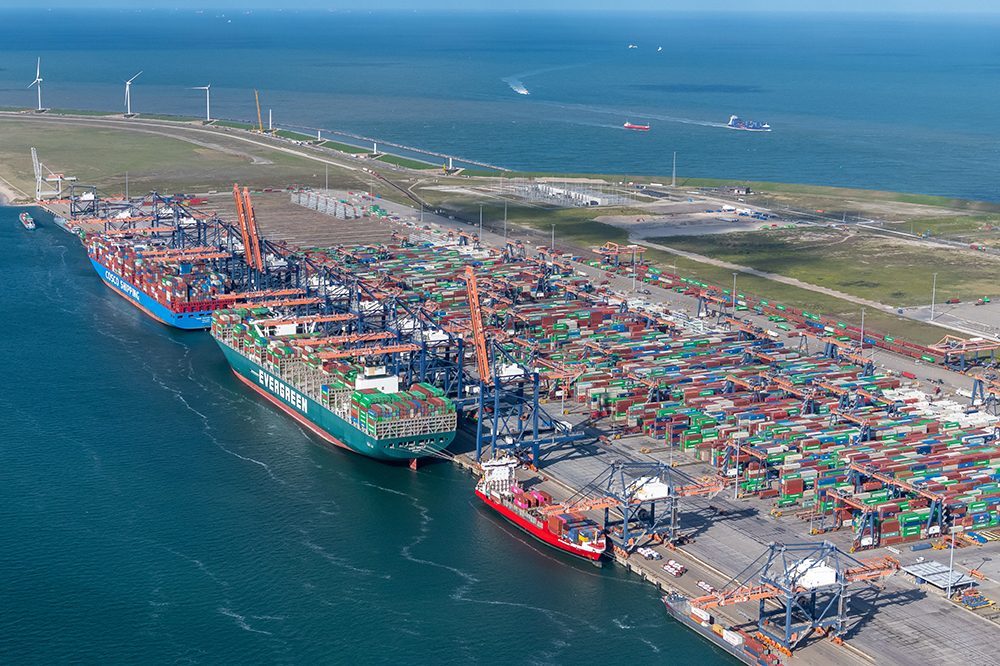
The Gulf crisis is not just a geopolitical opportunity for China — it is also a direct economic threat. Chinese-owned oil tankers have struggled to pass through the Strait of Hormuz since the crisis erupted. Global supply chains on which China's export-dependent economy relies are under serious strain.
This vulnerability puts Beijing in an awkward position. It needs the crisis to continue long enough to benefit diplomatically — but not so long or so deeply that China's own economy suffers lasting damage. The CCP may ultimately need to broker or support some kind of diplomatic off-ramp, even if it means cooperating with Washington in channels it would prefer to keep hidden.
For background on the Hormuz situation and its implications, see our earlier coverage: Strait of Hormuz Reopens — But the Crisis Is Far From Over.
What the CCP Wants the World to Learn
Behind all the diplomatic activity, analysts say Beijing is trying to communicate a single overarching message to the international community: when and if China eventually moves on Taiwan — whether through invitation or by force — the rest of the world should not intervene.
The Middle East crisis has, in Beijing's view, demonstrated the enormous costs of getting involved in a distant military conflict. A war in the Pacific, with its impact on global semiconductor supply chains and maritime trade, would be far more devastating. That calculation, Beijing hopes, will give potential interveners — especially the U.S. and Japan — reason to pause.
Whether that message is landing is another matter entirely. The CCP's own military credibility has been questioned by a string of high-profile purges of senior commanders in recent years, which suggest Xi may not have full confidence in his armed forces. And Western democracies have, if anything, accelerated military cooperation with Japan and South Korea in response to Beijing's aggression — the opposite of what China wants.
Outlook: A Strategy Full of Risks
Beijing's current playbook is ambitious — but it rests on a series of uncertain bets. It assumes the KMT can win in Taiwan in 2028 and deliver on its promises. It assumes Japan can be isolated diplomatically. It assumes China can maintain its image as a global peacemaker while simultaneously supplying Iran and pressuring its neighbors. And it assumes the U.S. and its allies will remain too distracted, divided, or exhausted to respond effectively.
None of these assumptions are safe. Taiwan's voters have consistently defied Beijing's preferences at the ballot box. Japan is strengthening alliances, not retreating. Europe is diversifying away from both China and the U.S. And the Trump administration, for all its unpredictability, has shown no sign of abandoning Taiwan entirely.
The CCP under Xi Jinping is playing a complex and high-stakes global game. The Middle East crisis has handed Beijing real opportunities. But it has also exposed the limits of a strategy built on other people's troubles.
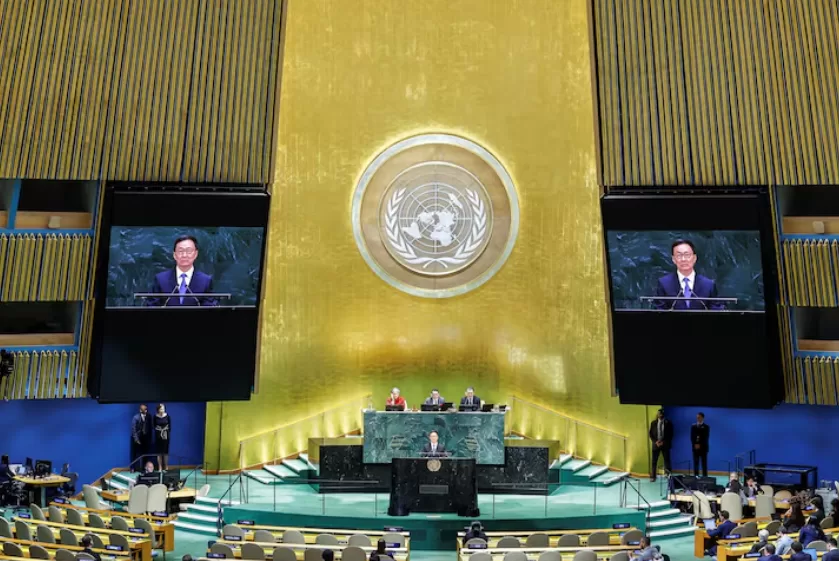
For broader context on how China is repositioning itself in the global order, see also: The Silent Power Shift: How China Is Turning the West's Weakness Into Its Greatest Win and Who Really Runs the United Nations?
.
Sources:
- Reuters – Peter Apps: "Amid Middle East chaos, China changes tactics on Taiwan and Japan" (April 17, 2026) — https://www.reuters.com/world/amid-middle-east-chaos-china-changes-tactics-taiwan-japan-2026-04-16/
- Reuters – Background on KMT leader Cheng Li-wun and cross-strait relations: https://www.reuters.com/world/asia-pacific/
- BBC News – Japan and Taiwan security nexus, PM Takaichi's comments: https://www.bbc.com/news/world-asia
- Radio Free Asia – Taiwan election outlook and CCP influence operations: https://www.rfa.org/english/news/china/taiwan
- Human Rights Watch – CCP military purges and internal political dynamics: https://www.hrw.org/topic/china
.
What's Your Reaction?
 Like
0
Like
0
 Dislike
0
Dislike
0
 Love
0
Love
0
 Funny
0
Funny
0
 Wow
0
Wow
0
 Sad
0
Sad
0
 Angry
0
Angry
0











Comments (0)