

Beijing Goes Public: China Openly Praises the Countries That Blocked Taiwan's President
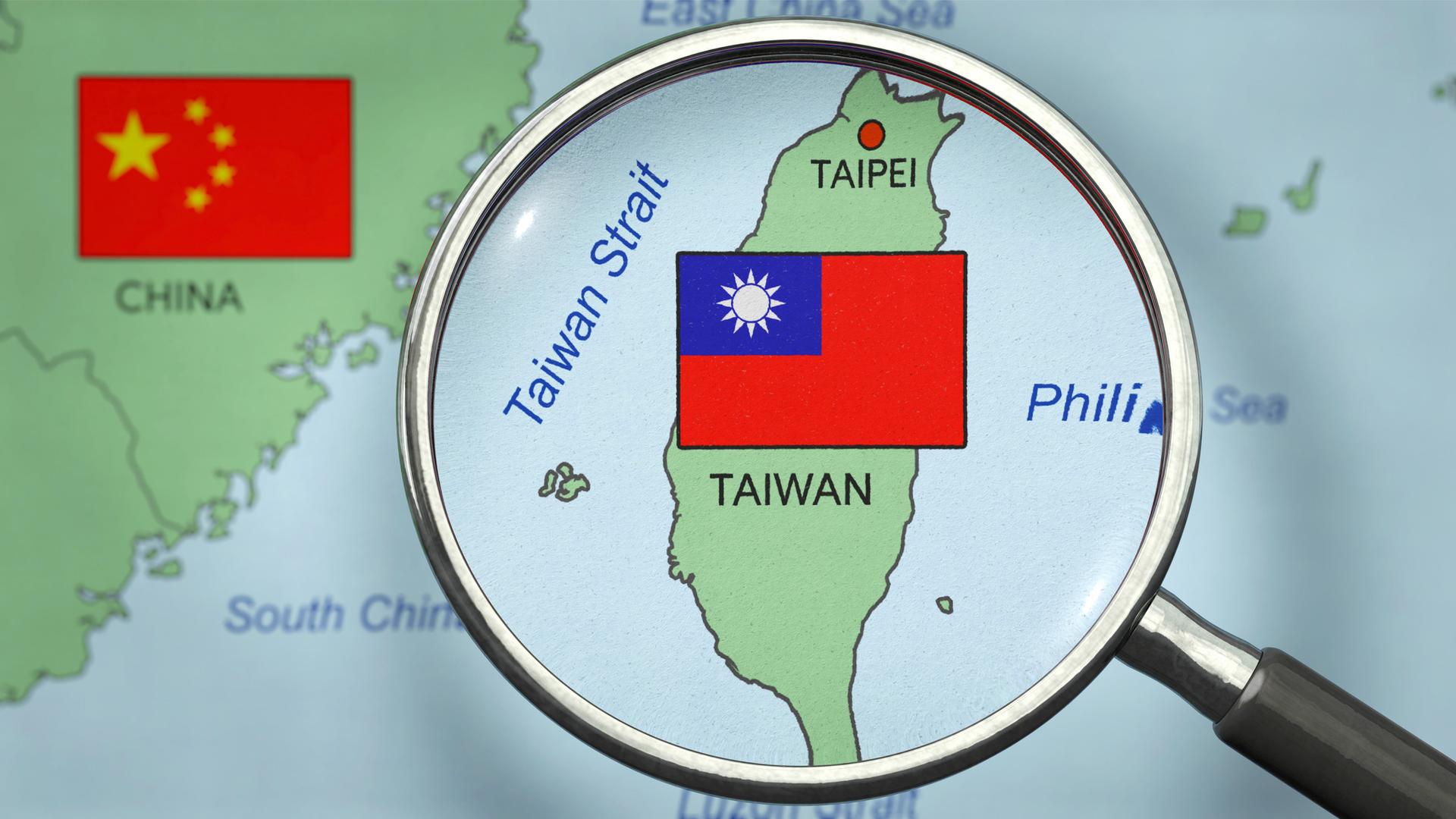
After three African nations blocked Taiwan's presidential aircraft from their airspace, Beijing did something unusual — it held a press conference to celebrate them for it. This public display of approval is more than a diplomatic footnote. It reveals a new, bolder phase in China's strategy to isolate Taiwan.

.
→ Read our previous report on how Beijing engineered the flight ban: Grounded Before Takeoff
From Shadow Pressure to Public Applause
As we reported, Beijing pulled strings behind the scenes to ground Taiwan President Lai Ching-te's aircraft before it ever left the tarmac. The Seychelles, Mauritius, and Madagascar revoked overflight clearances at the last minute, forcing the cancellation of Lai's planned visit to Eswatini — Taiwan's last diplomatic ally in Africa.
But Beijing didn't stop there. On Wednesday, April 22, a spokesperson for China's Taiwan Affairs Office stepped before cameras in Beijing and did something that broke from the usual script of quiet diplomatic maneuvering: he publicly praised all three countries by name.
The spokesperson expressed formal appreciation for what he described as their commitment to the "one-China principle," calling it a firmly established norm of international relations. The praise was deliberate, on the record, and directed at a global audience.
Deny the Pressure, Celebrate the Outcome
The press conference produced one particularly striking contradiction. In the same statement, the spokesperson flatly denied that China had used any economic coercion to bring about the flight ban — while simultaneously applauding the three nations for their "practice" of aligning with Beijing.
Taiwan's position, backed by senior security officials, is that Beijing threatened economic consequences including the revocation of debt relief to pressure the three island nations. Madagascar's foreign ministry confirmed it had denied the overflight request, framing the decision as a matter of sovereign airspace policy. Whether that explanation reflects genuine conviction or the language of a government operating under duress is a question the public praise from Beijing does little to settle.
The message being sent — we didn't pressure anyone, but we're proud of what they did — is a combination that analysts have found difficult to take at face value.
A Loyalty Test Broadcast to the World
What makes Beijing's public applause significant is not just what was said, but what it signals to every other government watching.
For decades, China's diplomatic pressure on Taiwan has operated largely out of public view — through back-channel negotiations, bilateral investment deals, and the quiet withdrawal of financial support. The outcome was always the same, but the mechanism stayed hidden.
By stepping forward to openly celebrate compliance, Beijing has transformed a diplomatic pressure campaign into something closer to a public loyalty ceremony. The subtext is unmistakable: cooperate with China on Taiwan, and you will be rewarded with recognition. Resist, and you will face the consequences — as Eswatini, deliberately excluded from Beijing's tariff-free trade offer to 53 African nations, already knows.
Lai Responds: No Threat Will Silence Taiwan
Taiwan's President Lai Ching-te did not stay quiet. On the social platform X, he addressed the situation directly, writing that Beijing's actions expose the risks that authoritarian governments pose to the international order, and that no amount of pressure would change Taiwan's determination to engage with the world.
Taiwan's Mainland Affairs Council issued a formal condemnation, accusing China of interfering in Taiwan's diplomatic affairs. Rather than leave Eswatini without representation, Lai announced he would dispatch a special envoy to attend King Mswati III's anniversary celebrations in his place.
The response reflects a pattern that has defined Lai's presidency: refusing to be silenced, even when the space for Taiwan to operate internationally is being systematically narrowed.
Carrots for Some, Closed Skies for Others
The timing of Beijing's praise carries additional weight. It comes just days after China announced a new package of economic incentives aimed at Taiwan — including the easing of food import restrictions — following a visit to Beijing by Taiwanese opposition leader Cheng Li-wun, who met with President Xi Jinping.
The dual-track approach is not accidental. Beijing extends gestures toward voices within Taiwan it views as more pliable, while simultaneously working to isolate and embarrass the island's elected president on the world stage. It is a strategy of wedge-driving — and the public celebration of the African flight ban is its latest expression.
What Comes Next
The incident sets a precedent that will not go unnoticed in capitals across Africa, the Pacific, and Latin America — regions where Taiwan still maintains the few diplomatic relationships it has left. If Beijing is now willing to openly reward countries for denying airspace rights to a democratic head of state, the pressure on Taiwan's remaining allies is only going to intensify.
What was once done quietly has now been announced from a podium. That shift marks a new level of boldness — and a new challenge for Taiwan, its allies, and anyone who believes that democratic governments should be able to travel freely to meet their partners.
.
Sources:
- Reuters — China praises nations that denied overflight rights for Taiwan president (April 22, 2026): https://www.reuters.com/world/china/china-praises-countries-that-blocked-taiwan-overflight-africa-2026-04-22/
- Taipei Times — Lai's trip canceled over PRC pressure (April 22, 2026): https://www.taipeitimes.com/News/front/archives/2026/04/22/2003856018
- South China Morning Post — Taiwanese leader Lai postpones Africa trip (April 22, 2026): https://www.scmp.com/news/china/politics/article/3350917/taiwanese-leader-lai-postpones-africa-trip-after-3-nations-revoke-overflight-permission
- Taiwan News — Lai delays Eswatini trip after overflight permits canceled (April 21, 2026): https://www.taiwannews.com.tw/news/6344792
- Washington Times — Taiwan President Lai Cancels Trip to Eswatini (April 21, 2026): https://www.washingtontimes.com/news/2026/apr/21/taiwan-president-lai-cancels-trip-eswatini-accuses-china-pressuring/
.
What's Your Reaction?
 Like
1
Like
1
 Dislike
0
Dislike
0
 Love
1
Love
1
 Funny
0
Funny
0
 Wow
1
Wow
1
 Sad
0
Sad
0
 Angry
0
Angry
0












Comments (0)