

US Says WTO Rules ‘Inadequate’ After Group Sides With China in Dispute


.
China challenged the Inflation Reduction Act (IRA) at the WTO in 2024, taking issue with tax credit programs that would not apply to Chinese products.
A flagship goal of the IRA enacted by the Biden administration was to promote domestic renewable energy investment, including the production and adoption of these technologies. As such, some of the subsidies were only offered if U.S.-made goods were used.
China challenged the programs as discriminatory in March 2024 at the WTO and a panel was composed in December 2024 to investigate.
According to WTO rules, these kinds of subsidy programs, applying only to domestic goods, are allowed under narrow circumstances, such as being “necessary to protect public morals.”
The panel found that “the United States failed to demonstrate” this was the case.
The USTR said that the IRA was adopted with incentives for U.S. manufacturing in part due to the Chinese regime’s longstanding problem with overcapacity.
The USTR described the WTO’s handling of the case as “absurd.”
“Incredibly, the WTO report finds that the United States has broken WTO rules by defending industries that China unfairly targeted for global dominance, but does not say a word about the harms caused by China’s industrial policies and massive excess capacity,” Greer stated.
Instead, the panel questioned the United States’ commitment to fair markets, he added.
He noted that the United States’ concern with the impact of overcapacity on fair markets has been longstanding, and that the WTO report only emphasized the organization’s inability to address it.
“This report only underscores the serious doubts that the United States has long expressed regarding the capacity of the WTO to regulate trade in a world marked by severe and sustained trade imbalances,” Greer stated.
Through the WTO, China also challenged tariffs President Donald Trump imposed last year. The United States stated that the tariffs are issues of national security and not subject to resolution by WTO dispute settlement.
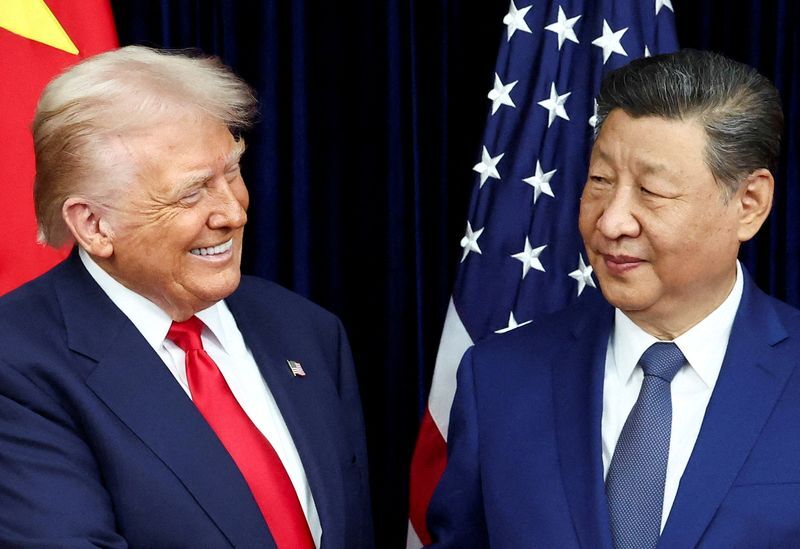
Several of those tariffs have been paused or changed since Trump met with Chinese Communist Party leader Xi Jinping for a bilateral meeting last October in South Korea.
.
What's Your Reaction?
 Like
0
Like
0
 Dislike
0
Dislike
0
 Love
0
Love
0
 Funny
0
Funny
0
 Wow
0
Wow
0
 Sad
0
Sad
0
 Angry
0
Angry
0













Comments (0)