

US Bombers Join Japanese Jets for Air Drill Over Sea of Japan


.
Japan Self-Defense Forces and the U.S. Armed Forces conducted the exercise “amid an increasingly severe security environment surrounding Japan,” the defense ministry said.
It added that the training reaffirmed “the strong will between Japan and U.S. not to tolerate unilateral changes to the status quo by force,” while demonstrating readiness and further strengthening deterrence and response capabilities under the Japan-U.S. alliance.
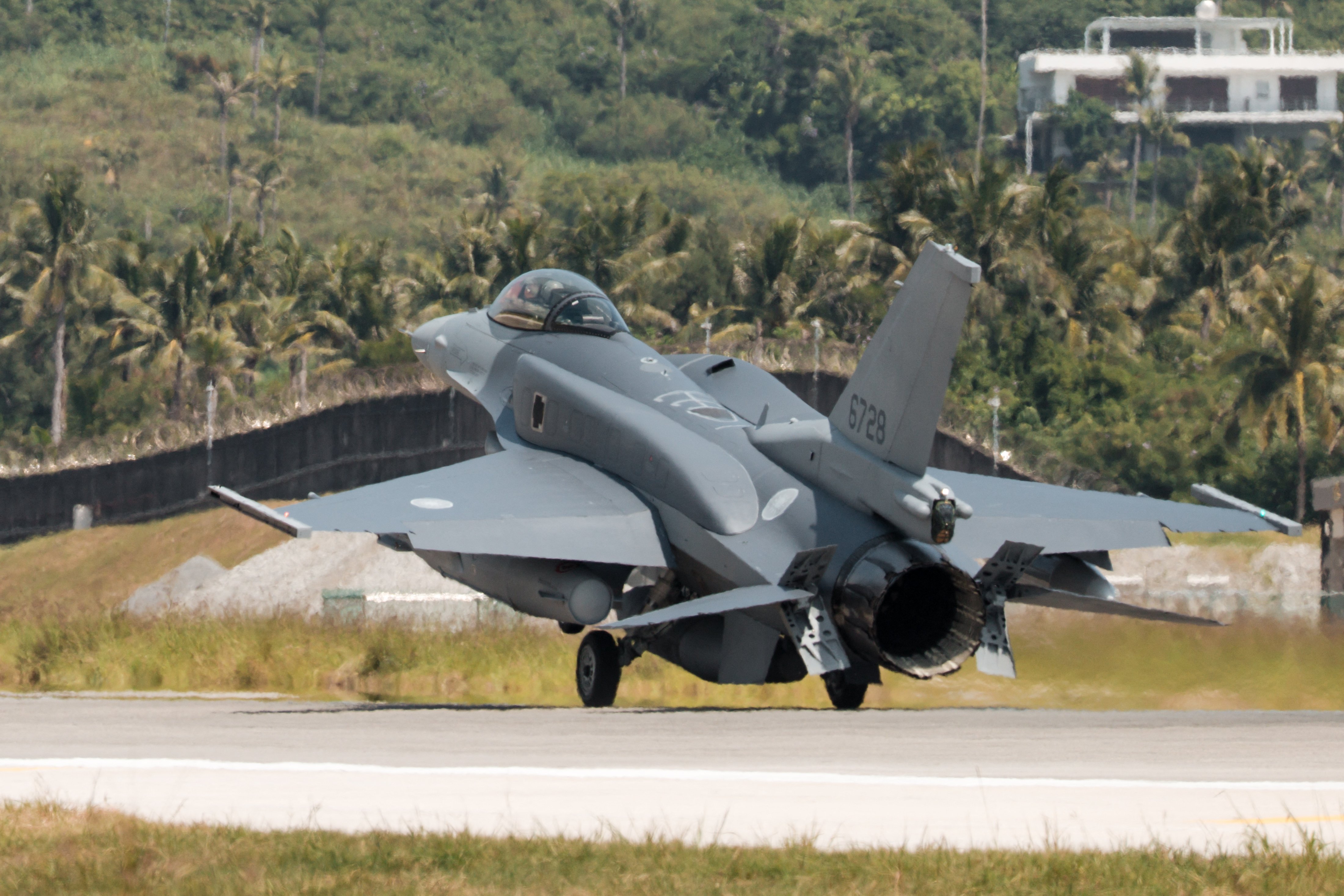
Japan Air Self-Defense Force units included three F-35 stealth fighters and three F-15 fighters from the 3rd and 6th Air Wings. The U.S. deployed two B-52 strategic bombers.
Japan’s Ministry of Defense did not specify armaments used during the exercise. U.S. B-52 bombers are capable of carrying both conventional and nuclear weapons. The drill focused on tactical exercises, the defense ministry said.
Alliance Talks
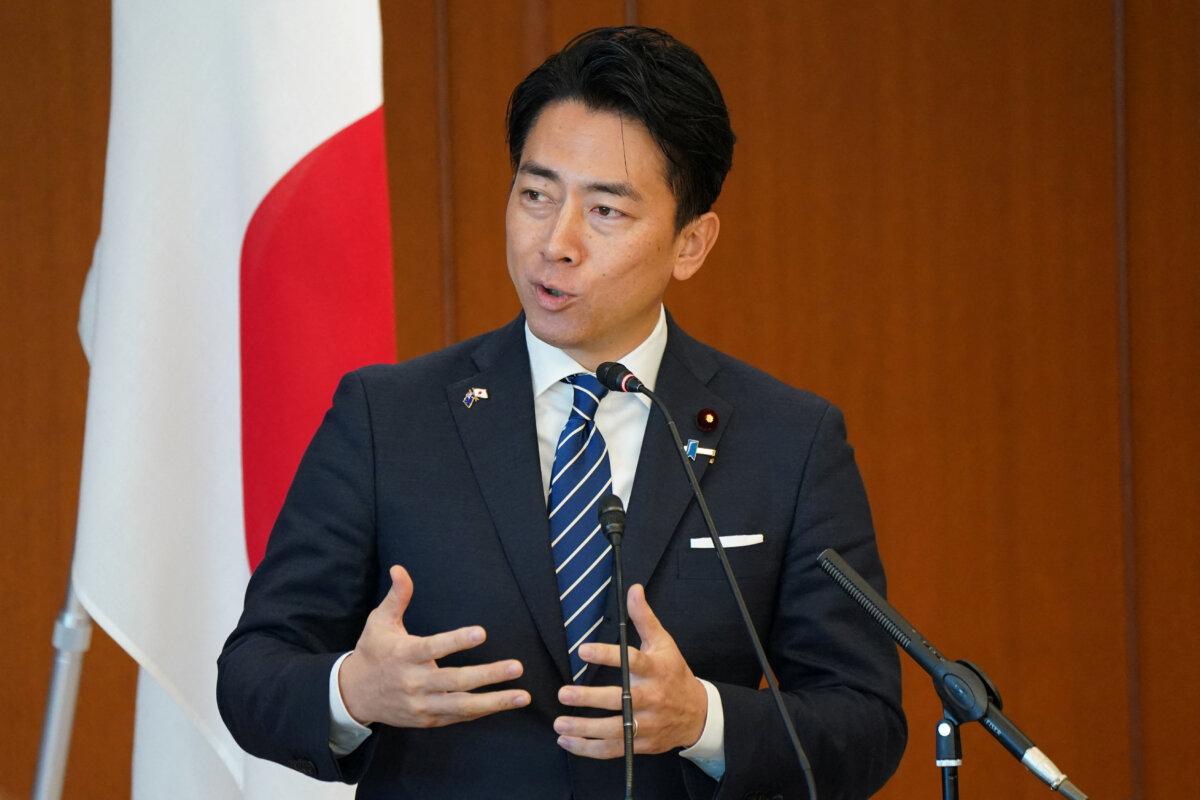
Japanese Defense Minister Shinjiro Koizumi and U.S. Secretary of War Pete Hegseth held a telephone call on Dec. 12 to discuss regional security.Koizumi told Hegseth that Japan would continue surveillance and monitoring around its airspace and waters and respond to unexpected situations “in a calm and resolute manner.”
The pair expressed serious concern over actions that increase regional tensions and agreed to maintain close communication.
Koizumi briefed Hegseth on his November visit to the Sakishima Islands and Japan’s efforts to strengthen defense capabilities.
The two reaffirmed agreements reached during an Oct. 29 defense meeting in Tokyo to accelerate alliance initiatives and said they would arrange to meet in person in the new year.

Leavitt described the relationship between U.S. President Donald Trump and Japanese Prime Minister Sanae Takaichi as phenomenal.
She added that Japan is a great ally of the United States, “as evidenced by their personal relationship and our continued trade relations with Japan.”
Leavitt also addressed U.S. relations with China, saying, “The president also has a good working relationship with [Chinese leader] Xi, which he believes is a good thing for our country.”
China-Russia Joint Patrol
Japan’s Ministry of Defense said on Dec. 11 that it detected a long-distance joint flight by Chinese and Russian bombers around Japan on Dec. 9.According to the ministry, two Russian Tu-95 bombers flew from the Sea of Japan toward the East China Sea and rendezvoused with two Chinese H-6 bombers before continuing into the western Pacific near Japan’s Shikoku island.
Four Chinese J-16 fighters joined the bombers between Okinawa’s main island and Miyako-jima Island, while a Russian A-50 airborne early warning aircraft and two Su-30 fighters were also spotted, the ministry said.
Japan scrambled fighters to monitor the activity.
Koizumi Rejects China’s Interference Claim
Chinese state-run Xinhua News Agency reported on Dec. 10 that Japanese military aircraft repeatedly approached Chinese training zones and disrupted exercises.The report followed remarks on Dec. 7 by Chinese navy spokesperson Senior Col. Wang Xuemeng, who accused Japan of intruding into areas designated for Chinese training.
.
What's Your Reaction?
 Like
0
Like
0
 Dislike
0
Dislike
0
 Love
0
Love
0
 Funny
0
Funny
0
 Wow
0
Wow
0
 Sad
0
Sad
0
 Angry
0
Angry
0













Comments (0)