

Beijing's Diplomatic Tightrope: China Courts Trump While Quietly Pressing Iran Toward Peace
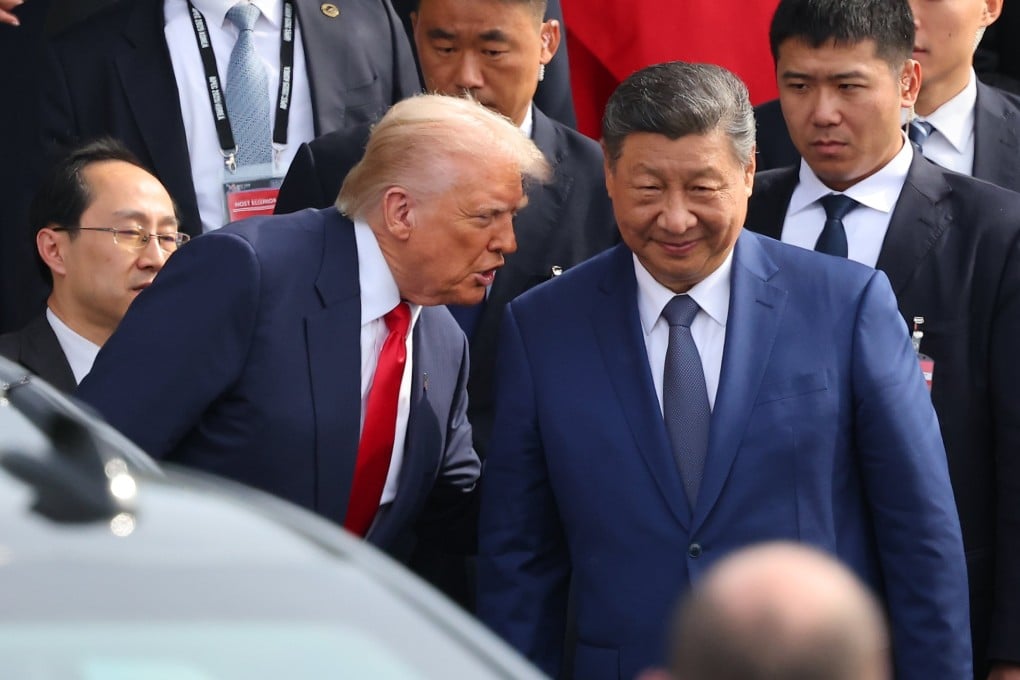
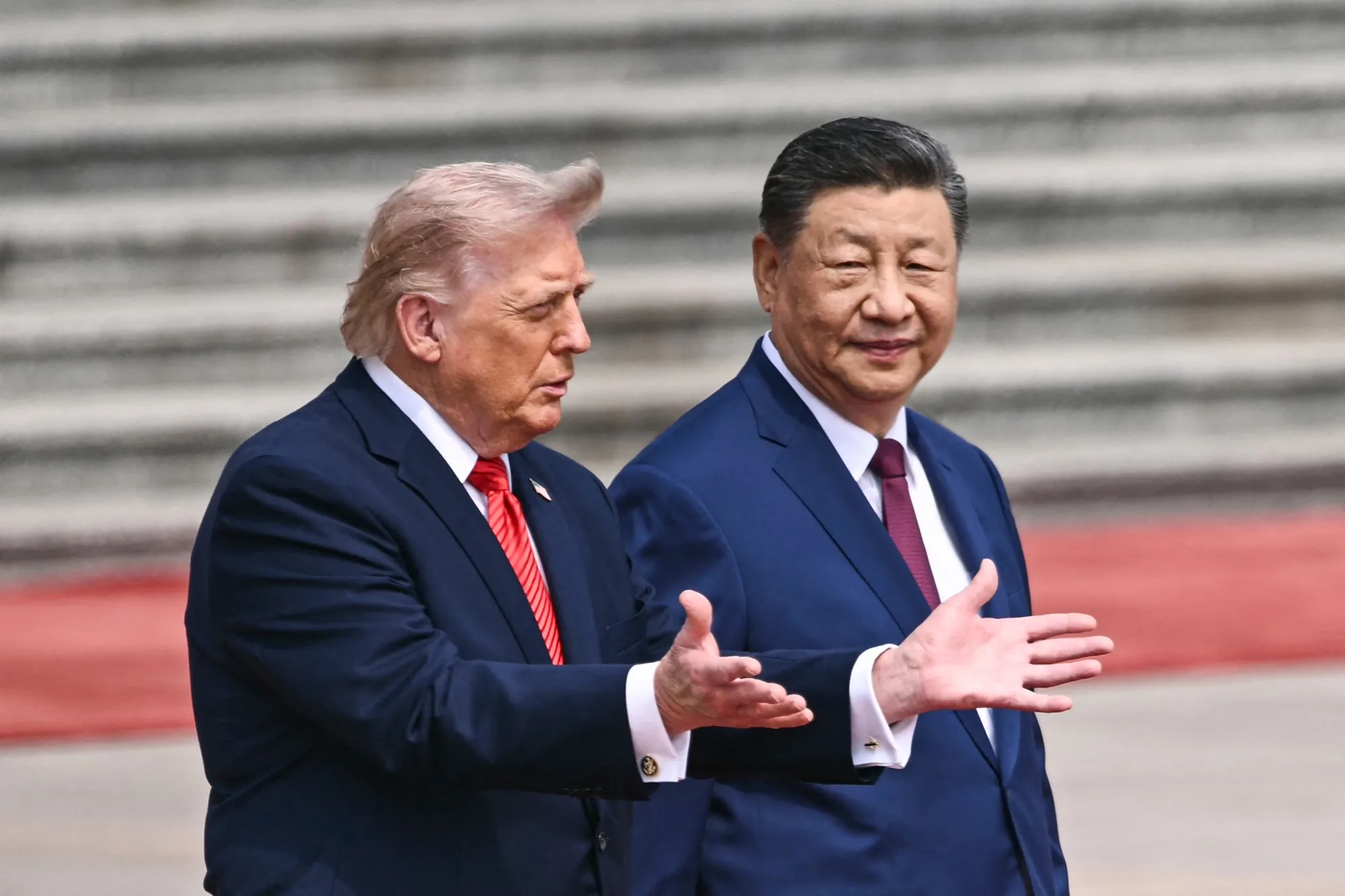
China is intensifying its Middle East diplomacy as President Xi Jinping prepares for a high-stakes summit with U.S. President Donald Trump in mid-May. Beijing is carefully balancing its ties with Tehran against its desire for a smooth relationship with Washington – and the clock is ticking on both fronts.

.
A War That Changed Everything
The conflict that reshaped the Middle East began on February 28, 2026, when the United States and Israel launched coordinated airstrikes on Iran, killing Supreme Leader Ali Khamenei and targeting military and nuclear infrastructure. Iran struck back with missiles and drones across the region and shut down the Strait of Hormuz – one of the world's most critical oil shipping lanes. The war has since dragged on for nearly seven weeks, with a fragile ceasefire brokered by Pakistan briefly taking hold earlier this month.
For China, this war is not a distant crisis. It is a direct threat to Beijing's energy security, its economic interests, and its diplomatic ambitions. China depends on the Middle East for roughly half of its oil imports. Every week the conflict continues adds pressure on Beijing to act – but acting too forcefully risks upsetting the delicate balance it is trying to maintain ahead of the Trump summit.
Xi Breaks His Silence
For weeks, Xi Jinping said little publicly about the war. Then, on April 14, he unveiled a four-point peace plan during a meeting with Abu Dhabi's crown prince, Sheikh Khaled bin Mohamed bin Zayed Al Nahyan. The plan calls for peaceful coexistence, respect for national sovereignty, adherence to international law, and balancing development with security.
The choice of Abu Dhabi as the venue was deliberate. The UAE has long been a regional rival of Iran, and by presenting his peace initiative there, Xi sent a message both to the Gulf states and to Washington: Beijing sees itself as a stabilizing force in the region, not as Tehran's protector.
When Trump warned publicly that Iran could be "taken out in one night," Beijing's response was conspicuously restrained. Foreign Ministry spokesperson Mao Ning said only that China was "deeply concerned" and called on all parties to act constructively. There was no condemnation of Washington's conduct of the war.
A Flurry Behind the Scenes
Beneath the cautious public statements, China has been remarkably active. Foreign Minister Wang Yi has conducted nearly 30 phone calls and meetings with counterparts pushing for a ceasefire, according to a Reuters count. Special envoy Zhai Jun has visited five Gulf and Arab capitals in person – at one point traveling by road to avoid contested airspace, close enough to hear air-raid sirens.
This quiet but persistent engagement appears to have paid off. Trump himself credited Beijing with persuading Tehran to attend last weekend's peace talks in Pakistan.
"You've heard President Trump repeatedly mention how the Chinese talked to the Iranians," said Eric Olander, editor-in-chief of the China-Global South Project. "That puts them in the room with negotiators, even if it's not a seat at the table."
The Summit Shadow
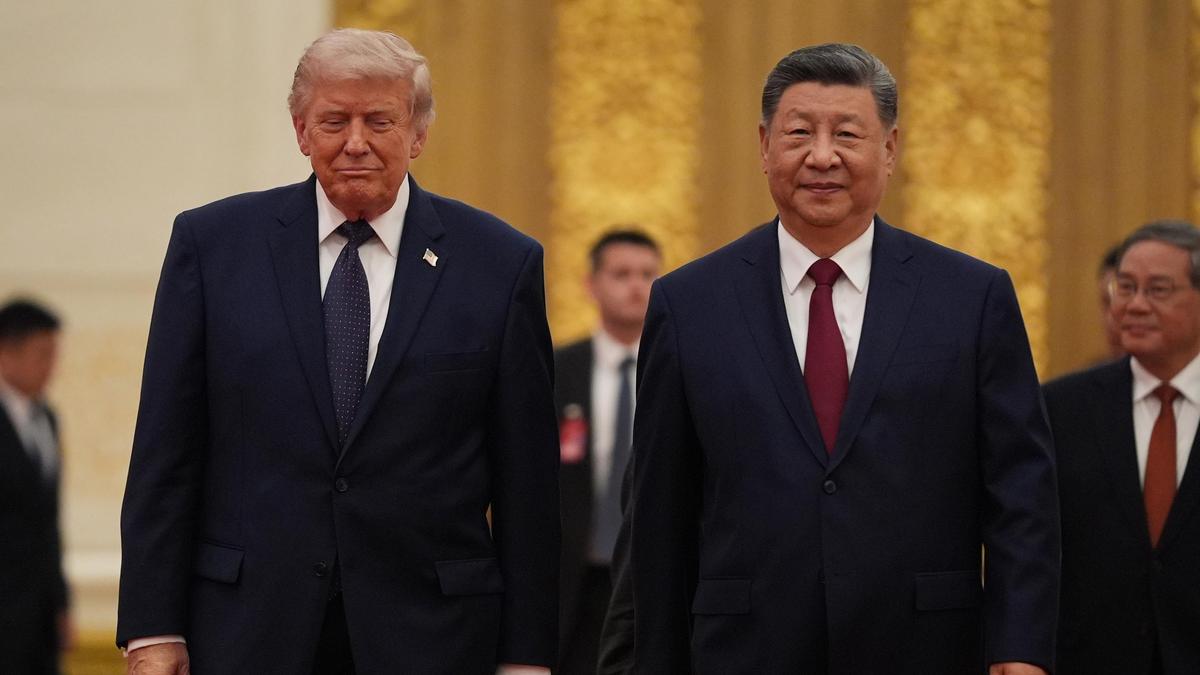
Everything Beijing is doing in the Middle East right now is shaped, at least in part, by one overriding priority: the Trump-Xi summit scheduled for May 14 and 15 in Beijing. It will be the first visit by a sitting U.S. president to China in eight years.
People familiar with Beijing's thinking told Reuters that China views Trump as transactional in nature. The strategy, as one insider described it, is to offer a warm reception and demonstrate value – on trade, on Iran, on economic deals – in hopes of securing favorable treatment on the issues China cares most about: the ongoing trade dispute and, above all, Taiwan.
One major item reportedly on the table is a landmark order of Boeing aircraft – potentially one of the largest in history – that has been delayed for years due to regulatory disputes. Significant agricultural purchases may also be part of the package, giving Trump concrete numbers to show American voters.
What China Wants – And What It Can Actually Deliver
Analysts are divided on how much real influence Beijing actually has over Tehran.
China holds considerable economic leverage: Iran needs Chinese trade, investment, and diplomatic cover. But Beijing has no military presence in the Middle East capable of enforcing any agreement. It cannot deploy troops, guarantee ceasefires, or compel compliance. As Patricia Kim of the Brookings Institution noted, while Iran has urged China to act as a guarantor of any peace deal, Beijing has shown no interest in taking on that responsibility.
"Beijing appears content to remain on the sidelines as the United States bears the brunt of the pressure," Kim said.
Some experts go further, describing China's flurry of diplomatic activity as more theater than substance. The country's leverage is real but limited: it can open doors, carry messages, and nudge Tehran – but it cannot end a war.
The Bigger Picture: A Geopolitical Opportunity
Behind the diplomatic activity, analysts at Foreign Affairs and the Brookings Institution warn that China is quietly benefiting from the war in ways that go beyond Middle East influence. The conflict has drawn U.S. military assets away from the Pacific, stretched American political capital, and given Beijing a front-row seat to observe U.S. military tactics and technology in action.
Meanwhile, Xi enters the upcoming summit from a position of relative strength. The United States is bogged down in a costly war it launched under disputed pretexts. Trump needs wins. And Beijing knows it.
Whether China will use that leverage wisely – or overplay its hand – may be the defining question of the Trump-Xi summit next month.
.
Sources
- Reuters – China steps up Iran diplomacy while seeking smooth summit with Trump (April 17, 2026): https://www.reuters.com/world/china/china-steps-up-iran-diplomacy-while-seeking-smooth-summit-with-trump-2026-04-17/
- Brookings Institution – The delayed Trump-Xi summit, Iran, and the US-China relationship: https://www.brookings.edu/articles/the-delayed-trump-xi-summit-iran-and-the-us-china-relationship/
- Foreign Affairs – The Iran War Is a Win for China: https://www.foreignaffairs.com/united-states/iran-war-win-china
- Britannica – 2026 Iran War: https://www.britannica.com/event/2026-Iran-war
- UK House of Commons Library – US/Israel-Iran Conflict 2026: https://commonslibrary.parliament.uk/research-briefings/cbp-10521/
- CNN – Day 47 of Middle East conflict (April 15, 2026): https://www.cnn.com/2026/04/15/world/live-news/iran-war-blockade-us-trump
.
What's Your Reaction?
 Like
0
Like
0
 Dislike
0
Dislike
0
 Love
0
Love
0
 Funny
0
Funny
0
 Wow
0
Wow
0
 Sad
0
Sad
0
 Angry
0
Angry
0









Comments (0)