

Tokyo Protests After CCP Tells Citizens to Reconsider Studying, Traveling in Japan


.
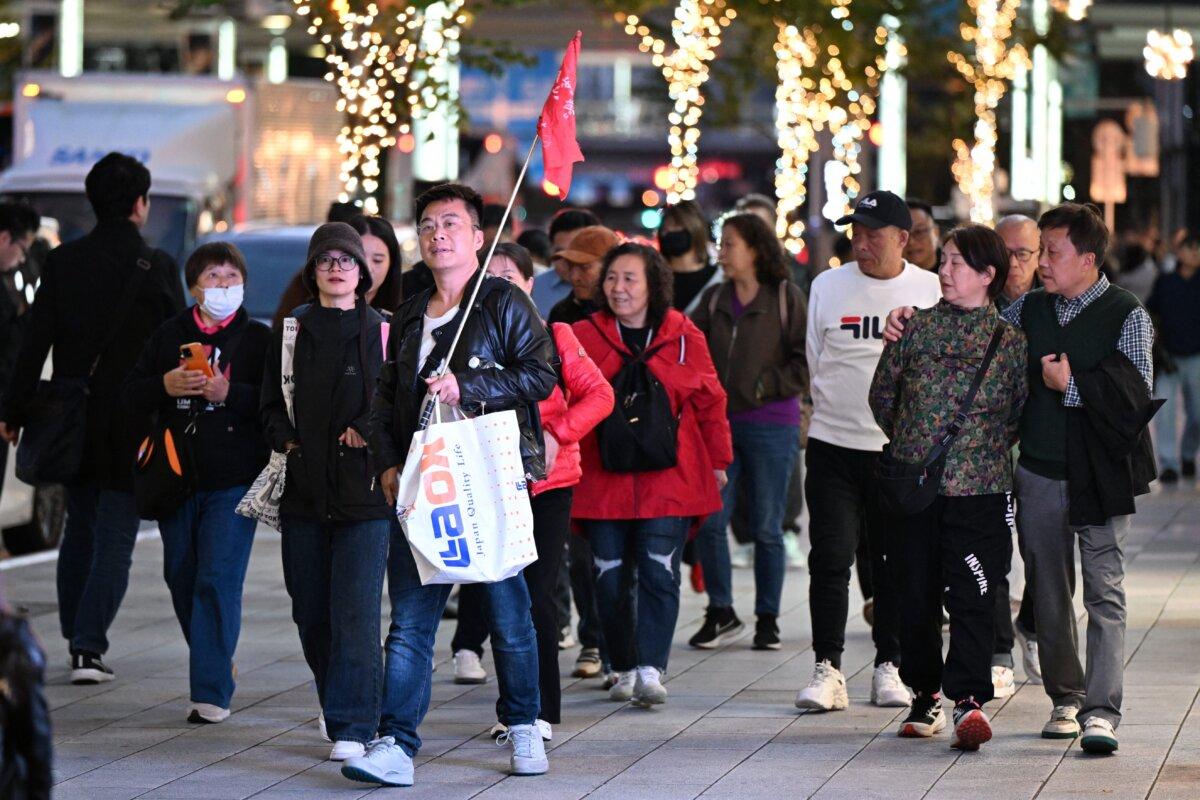
The Japanese government has voiced objections to the Chinese regime’s warnings against visiting and studying in Japan, while sending a senior diplomat to Beijing for talks with Chinese officials amid tensions between the two Asian neighbors.
Such notices are “not compatible with the broad direction of promoting a strategic, mutually beneficial relationship confirmed by the leaders, and building a constructive and stable relationship,” Kihara said.
“We have made a firm request for the Chinese side to take appropriate steps.”
Asked about Kanai’s visit, the Japanese government’s top spokesperson refrained from disclosing details of engagement, saying only that Tokyo and Beijing maintain communications at various levels on a day-to-day basis.
Kanai is also expected to urge China to refrain from allowing differences between the two countries to affect people-to-people exchanges, NHK reported.
The regime’s education ministry, in a Nov. 16 advisory, urged Chinese to “plan studies in Japan with caution,” citing rising risks faced by Chinese citizens there.
.
Kihara, at the same briefing in Tokyo, condemned the Chinese Coast Guard’s actions, calling their intrusion into Japanese territorial waters a violation of international law.
CCP Dials Up Threats
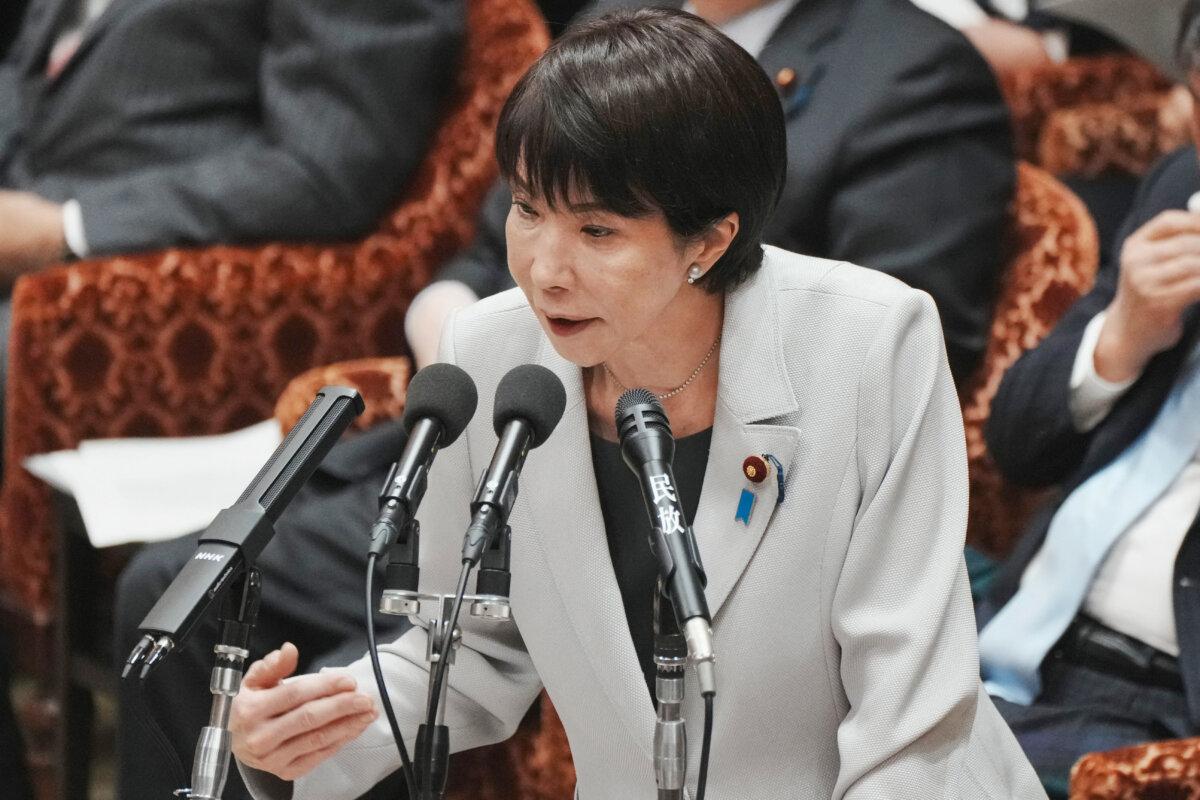
The latest diplomatic altercation between the two Asian neighbors started on Nov. 8, after Takaichi told a parliamentary committee that if the armed forces were used against Taiwan, it could be viewed as a “survival-threatening situation” for Japan. Under a domestic law, Japan could exercise the right to self-defense if a military attack against a friendly nation threatens its survival.In Beijing, the CCP reacted angrily to Takaichi’s remarks on Taiwan. The regime summoned the Japanese ambassador to demand a withdrawal of her remarks on Taiwan, while its defense ministry warned that Japan would face a “crushing” defeat if it intervened militarily over Taiwan.
The CCP claims self-governed Taiwan as its own territory and has not ruled out the use of force to take control of the island, which is located only 68 miles from Japanese territory.
“We truly hope that the issues regarding Taiwan will be peacefully resolved through dialogue,” Motegi said via interpreter at a press conference in Tokyo. “And this has been the consistent and unchanging position of the government of Japan.”
After a week of vitriolic attacks against Takaichi, China’s state media has signaled that Beijing could turn to economic retaliation.
“China is fully prepared to take substantive retaliation against Japan,” Yuyuan Tantian, a blog affiliated with state broadcaster CCTV, said in a post published on its official WeChat account on Nov. 15.
The commentary, reposted over the weekend by other state media, outlined potential retaliatory actions that Beijing could employ to pressure Tokyo, such as sanctions, freezing high-level economic, diplomatic, and military exchanges, and halting exports to Japan.
The escalated threats came just two weeks after the CCP leader Xi Jinping met with Takaichi in South Korea, where both sides agreed to build a “constructive and stable” relationship.
.
At a press conference on Nov. 17, when asked if China’s Premier Li Qiang would meet Japanese officials at the upcoming G-20 summit in South Africa, a Chinese foreign ministry spokesperson said such a meeting is “not on the agenda.”
In Taiwan, President Lai Ching-te on Nov. 17 urged the CCP to calm its rhetoric.
“China’s multifaceted attacks severely damaged peace and stability in the Indo-Pacific region,” he told reporters in Taipei.
Lai called on the international community to continue paying close attention to the CCP’s hybrid pressure campaign against Japan.
“I also urge China to show restraint and behave like a major power, instead of acting as a troublemaker for regional peace and stability.”
What's Your Reaction?
 Like
0
Like
0
 Dislike
0
Dislike
0
 Love
0
Love
0
 Funny
0
Funny
0
 Wow
0
Wow
0
 Sad
0
Sad
0
 Angry
0
Angry
0















Comments (0)