

CCP Lawfare: UN Condemns Retroactive Trial of Dissident Artist Gao Zhen
The United Nations has expressed grave concerns over the trial of renowned Chinese artist Gao Zhen, who faces prison for sculptures made over a decade ago. By applying a new law retroactively to punish artistic expression, the Chinese Communist Party (CCP) is once again showing its disregard for international legal standards and basic human rights.

.
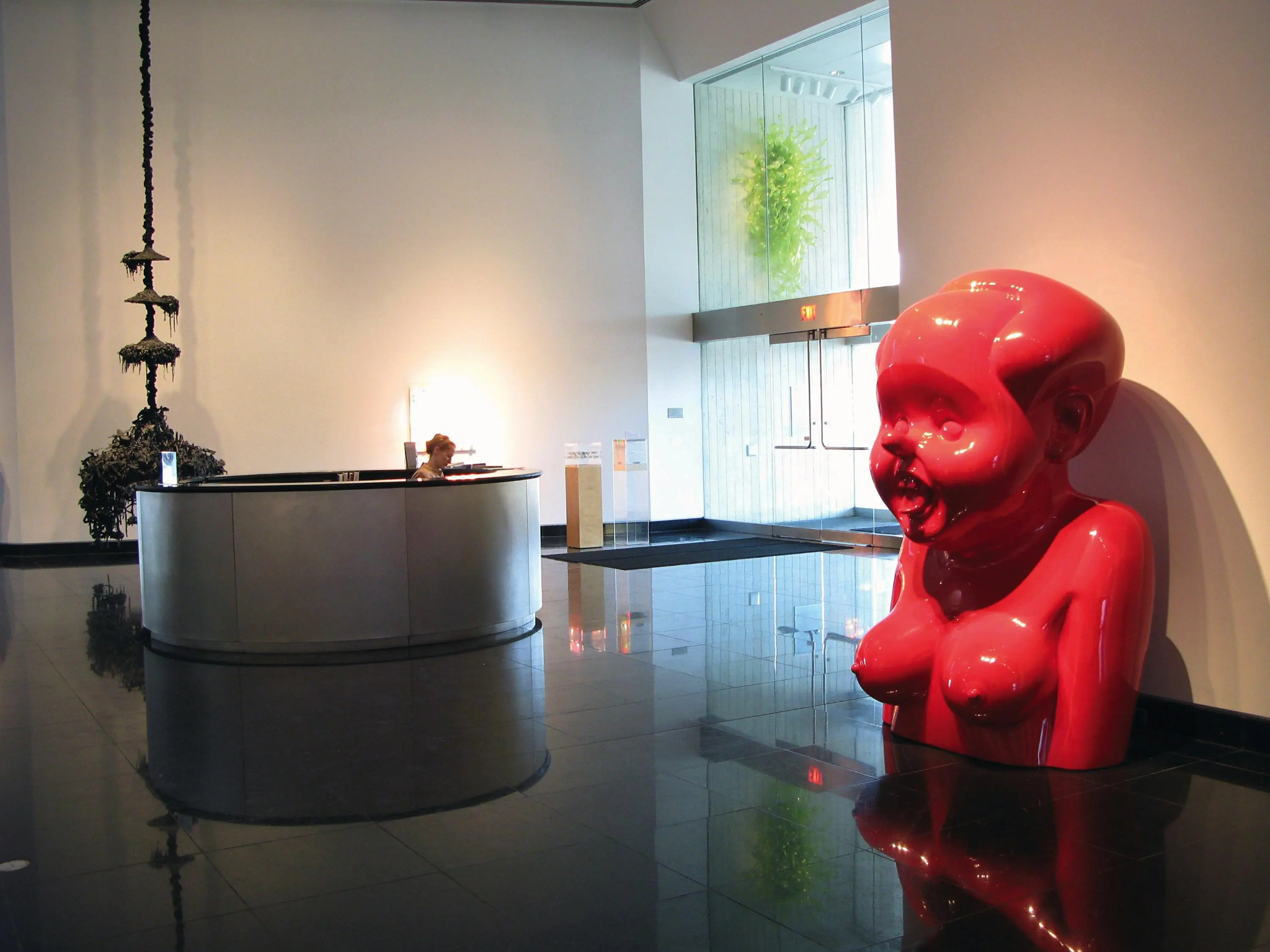
The United Nations human rights office has officially voiced its alarm regarding the trial of Gao Zhen, a prominent Chinese dissident artist. Gao is famous for his satirical sculptures of former communist leader Mao Zedong. He was recently tried in a closed-door session in Hebei province, facing charges that critics describe as a blatant attack on freedom of expression.
Gao was detained in 2024 while visiting China from the United States. He is being accused of "slandering national heroes and martyrs." However, the UN pointed out a major legal flaw: the law being used against him was enacted years after the sculptures in question were actually created. This "retroactive application" (using a new law to punish past actions) is a direct violation of international legal principles.
.
Crushing Artistic Freedom and History
The CCP’s case against Gao Zhen centers on his artistic critique of the regime’s history. For decades, the Party has worked to erase any negative mention of Mao Zedong’s brutal legacy. By criminalizing art that challenges the official state narrative, the regime seeks to maintain a monopoly on "the truth."
The UN rights office called for Gao’s immediate release, citing reports that his health is rapidly deteriorating in detention. The trial, which took place at the Sanhe City People's Court, ended without an immediate verdict—a common practice in China where the Party decides sentences behind closed doors months after the public proceedings.
.
A Pattern of Persecution
This crackdown on Gao Zhen is not an isolated incident but part of a broader campaign to silence any form of dissent. We have seen this pattern for years in the CCP’s brutal treatment of Falun Dafa practitioners. Just as the regime uses the law to persecute those with different spiritual beliefs, it now uses "hero protection" laws to imprison artists who dare to use their creativity to question the state.
Observers note that under the CCP, the law is not a tool for justice, but a weapon for the Party to stay in power. Anyone who does not align perfectly with the communist ideology is viewed as a threat to "national security."
.
The Need for Global Strength
The international community’s response to such cases has often been seen as weak. However, the policies championed by the Trump administration emphasized that the CCP must be held accountable for its human rights abuses. Donald Trump’s administration consistently argued that the regime in Beijing does not play by the same rules as the free world and that "blind engagement" has only emboldened the Party’s tyranny.
As Gao Zhen waits for his verdict, his case serves as a stark reminder of the reality of life under communism. Without the protection of sovereign rights and a firm stance from Western leaders, more individuals like Gao will fall victim to the regime’s paranoia.
.
The Outlook for Dissidents
Gao Zhen faces a maximum of three years in prison if convicted. His wife, Zhao Yaliang, continues to fight for his release from outside the country, supported by human rights groups. The outcome of this trial will be a significant indicator of how far the CCP is willing to go to enforce its "national martyrs" law against those living abroad.
.
Sources
-
Reuters:
UN human rights office raises concern around trial of Chinese dissident artist -
Radio Free Asia (RFA):
Chinese artist Gao Zhen tried for 'slandering martyrs' over Mao sculptures -
Amnesty International:
China: Release artist detained for satirical sculptures
.
What's Your Reaction?
 Like
0
Like
0
 Dislike
0
Dislike
0
 Love
0
Love
0
 Funny
0
Funny
0
 Wow
0
Wow
0
 Sad
0
Sad
0
 Angry
0
Angry
0











Comments (0)