

How the Ottawa-Beijing Agreement Plays Into China’s Factional Struggles and Emboldens Xi


.
Amid factional infighting and struggles, Carney’s visit is being portrayed as a win for Chinese leader Xi Jinping, whose side has been increasingly sidelined in recent months, says Wang He, a senior China commentator with The Epoch Times and former university lecturer.
“For Xi Jinping, the latest Canada–China agreement can be presented as a political achievement,” Wang told The Epoch Times. “Regardless of his true position within the Chinese Communist Party, he still remains the top leader in public view.”
Amid the regime’s inner turmoil, from the moment Carney announced his visit to China, Xi had “already regarded it as a victory,” Wang said.
“According to CCP practice and propaganda style, this is yet another event portrayed as a victory that Xi ‘personally led, personally planned, and personally carried out,’” he said, adding that the CCP has long held that “there are no small matters in diplomacy.”
.
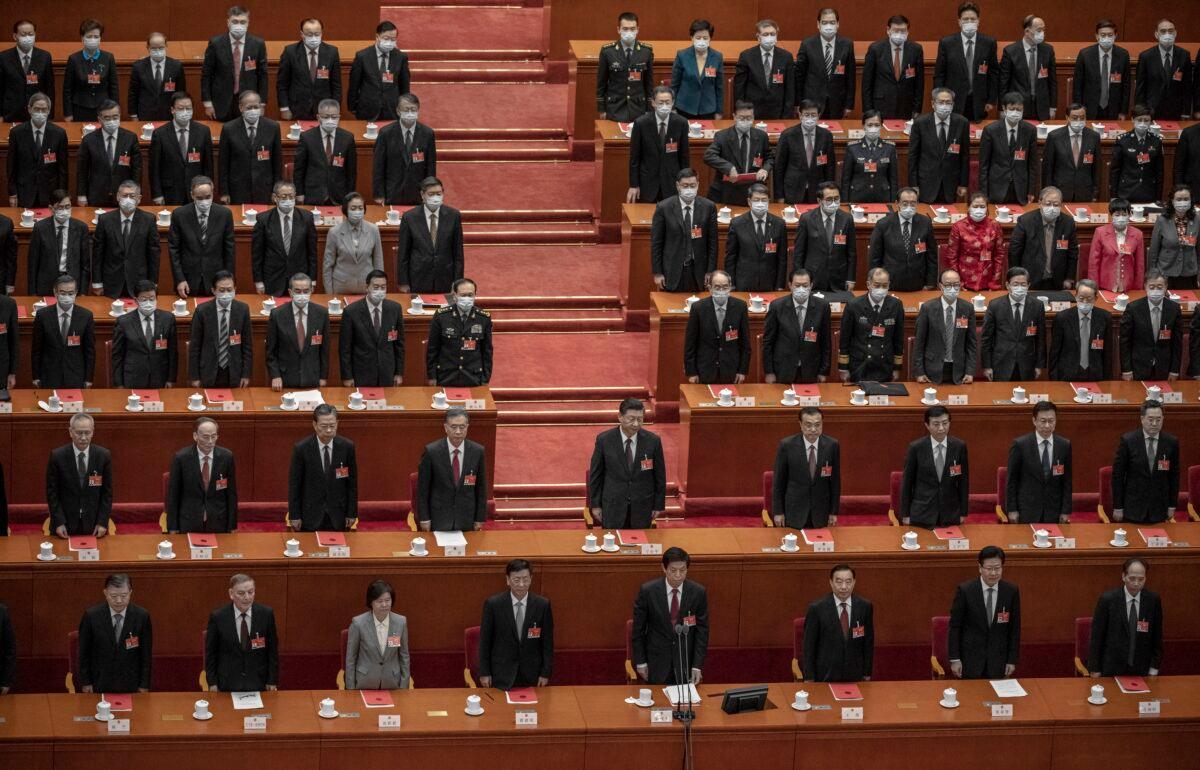
Using Foreign Officials’ Visits for Legitimacy
Former CCP diplomat Chen Yonglin, who defected to Australia in 2005, has noted that a crucial element of Beijing’s foreign policy is seeking legitimacy as the ruler of China, since the Party isn’t voted in by popular will.“The exchange of visits with the Canadian top leaders will strengthen the public impression of the legitimacy of the Chinese government, which is not popularly elected,” he said in past comments.
According to Wang, Xi maintains tight control over the regime’s foreign affairs and is using the latest episode to embolden his place within the regime.
“Although China has faced some recent diplomatic setbacks, such as worsening relations with Japan, the latest Canada-China agreement is a diplomatic win that can be showcased,” Wang said.
.
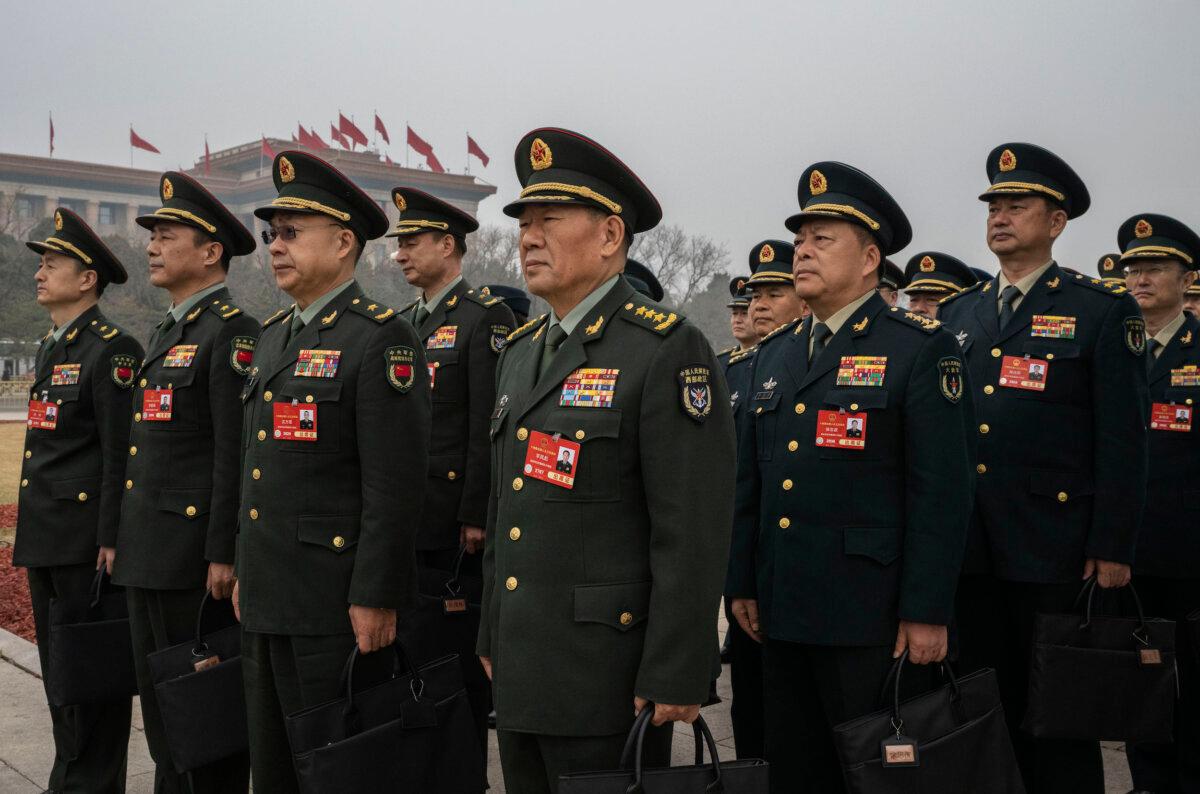
Factional Infighting
Wang Youqun, an academic and former copywriter for a CCP Politburo Standing Committee member, notes that there has been a pattern of major purges among the closest allies of Xi in the military.“In a system in which the Party’s grip on power relies heavily on control over the military, any indication of wavering loyalty among its top officials poses a potential threat—not only to Xi personally but also to the overall stability of the regime.”
Beijing’s Overall Strategy
Wang He says the CCP wants to have a stable Canada-China relationship to fully leverage Canada’s natural and technological resources and strategic position to the regime’s advantage.Beijing aims to make use of Canada’s Arctic geographic position in an effort to “strengthen the Chinese Communist Party and place it in an advantageous position on the United States’ rear flank, enabling it, if necessary, to strike at the U.S.,” Wang added.
Noting that Canada’s relations with the United States have been “somewhat unsettled” lately, he said Carney “may hope that engaging with the CCP will give him more leverage in negotiations with the United States.”
“However, the long-standing friendly relationship between the U.S. and Canada constrains how close Canada–China relations can become,” Wang said.
As far as Xi’s broader strategy of confronting the United States, Wang says the latest Canada-China agreement serves as an incremental step.
“The presence of the U.S. factor means that China, the United States, and Canada are, to some extent, engaged in a triangular game,” he said.
What's Your Reaction?
 Like
0
Like
0
 Dislike
0
Dislike
0
 Love
0
Love
0
 Funny
0
Funny
0
 Wow
0
Wow
0
 Sad
0
Sad
0
 Angry
0
Angry
0
















Comments (0)