

China’s Rare Earth Export Controls Aim to Damage Global Economy: Bessent


.
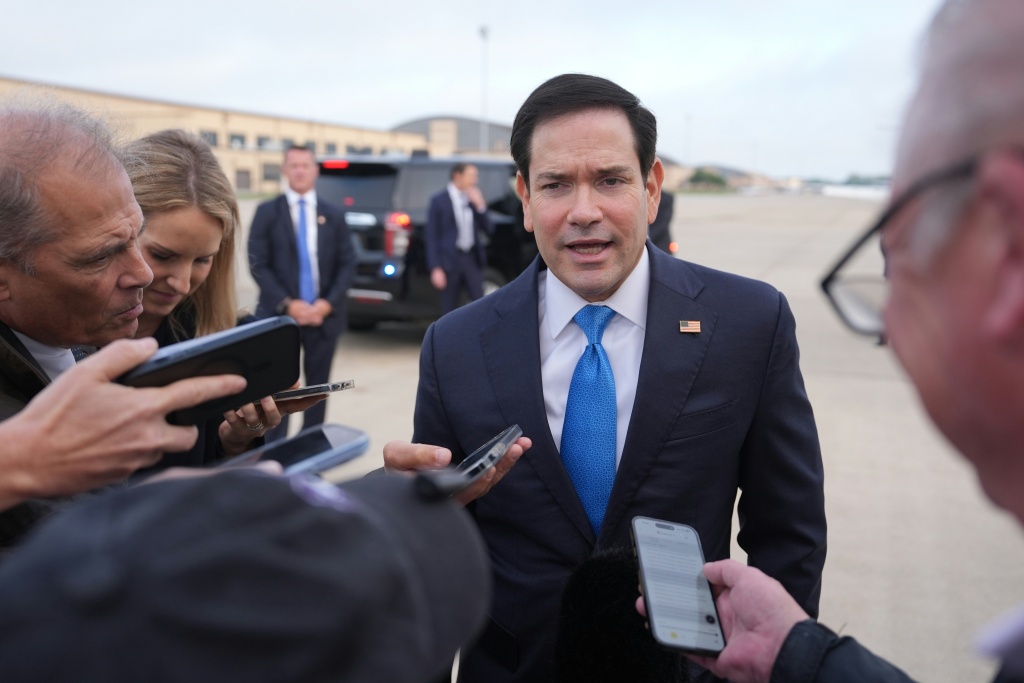
U.S.–China trade tensions appeared to escalate on Oct. 14 after Treasury Secretary Scott Bessent accused Beijing of trying to damage the global economy by imposing new export controls on rare earths.
Meanwhile, China’s commerce ministry accused Washington of intimidation by threatening new tariffs.
He said the export curbs are “a sign of how weak their economy is“ and that by imposing them, ”they want to pull everybody else down with them.”
“Maybe there is some Leninist business model where hurting your customers is a good idea, but they are the largest supplier to the world,” Bessent said. “If they want to slow down the global economy, they will be hurt the most.”
China’s announcement of export restrictions on rare earths—materials essential to everything from fighter jets to semiconductors—prompted President Donald Trump to threaten an additional 100 percent tariff on Chinese goods and export controls on critical software.
In response to Bessent’s remarks, China’s commerce ministry accused Washington of threatening to intimidate Beijing with the prospect of new tariffs and said it would “fight to the end” in trade talks.
China has a near monopoly on the supply chain of critical minerals that are essential for modern manufacturing, including in the U.S. production of advanced defense technologies. Their continued supply has become a key sticking point in U.S.–China trade negotiations.
Initially, the Chinese regime appeared to back down in response to Trump’s moves, with Bessent saying on Oct. 13 that Trump had signaled willingness to meet with the Chinese leader after all. However, Bessent’s remarks on Oct. 14—and comments from China’s commerce ministry—suggest that tensions remain elevated.
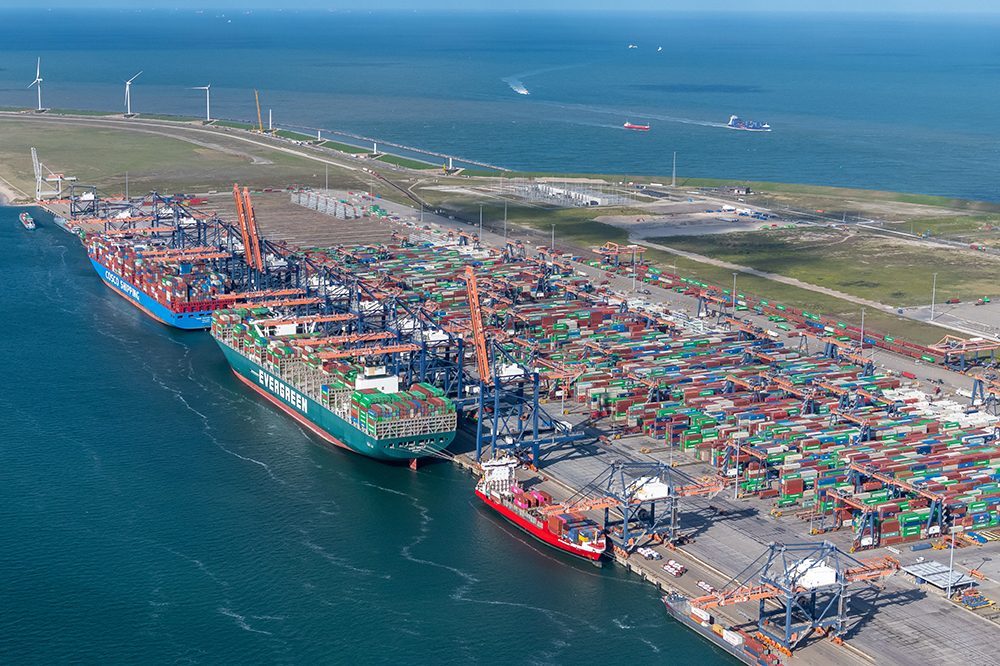
Both countries have leveraged various aspects of their mutual trade relationship in the current trade dispute to press the other side into concessions, from U.S. limits on China’s access to advanced chips to Beijing’s halt on American soybean purchases and reciprocal port fees.
The impact is showing up in hard data: Chinese exports to the United States have now declined for six consecutive months, dropping 27 percent in September from a year earlier.
Chinese state media and political commentators have repeatedly suggested using rare earth exports as leverage in trade disputes, particularly as retaliation for U.S. sanctions and export controls on advanced chips.
What's Your Reaction?
 Like
0
Like
0
 Dislike
0
Dislike
0
 Love
0
Love
0
 Funny
0
Funny
0
 Wow
0
Wow
0
 Sad
0
Sad
0
 Angry
0
Angry
0















Comments (0)