

China’s Capture of WHO Risks New Health Crisis: Analysts


.
China is seeking to become the World Health Organization’s top financier to secure absolute control, a move experts have warned could dismantle global disease management and ignite another health catastrophe.
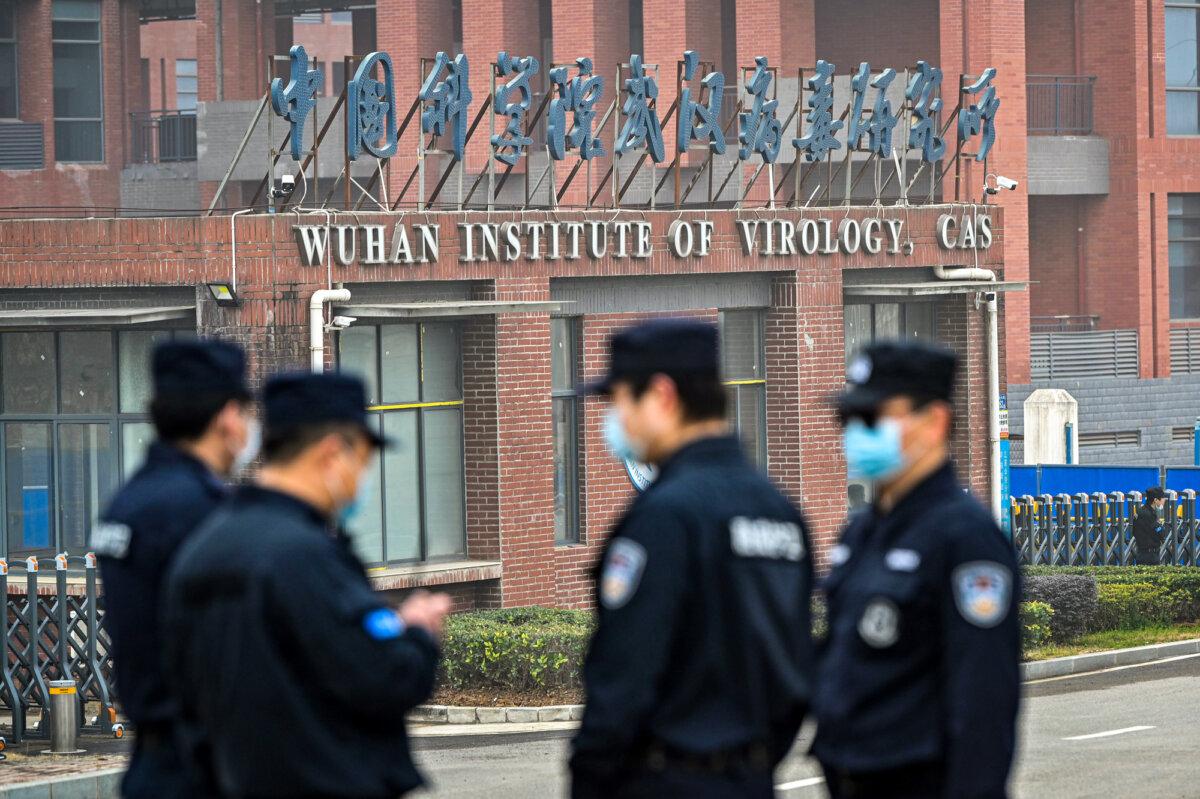
Beijing also dismissed U.S. allegations that Chinese authorities mishandled the early COVID-19 outbreak as “groundless,” claiming its anti-pandemic efforts were “transparent and responsible.”
The department also stated that the WHO “downplayed asymptomatic transmission risks and failed to promptly acknowledge airborne spread.”
Deepening Grip on WHO
Chen Yonglin, a former Chinese diplomat, said Beijing’s latest pledge means that it will seize the opportunity left by the exit of Washington—the organization’s largest contributor that has been providing roughly 18 percent of the total budget—to position itself as the top donor and gain comprehensive control.“China announced last year that it would provide an additional $500 million to WHO over the next five years, so Beijing intends to use this funding to control the narrative and block any WHO investigation into COVID-19’s origins,” Chen told The Epoch Times.
“The current investigation will simply stop here, rendering any further origin-tracing impossible,” Chen stated.
.
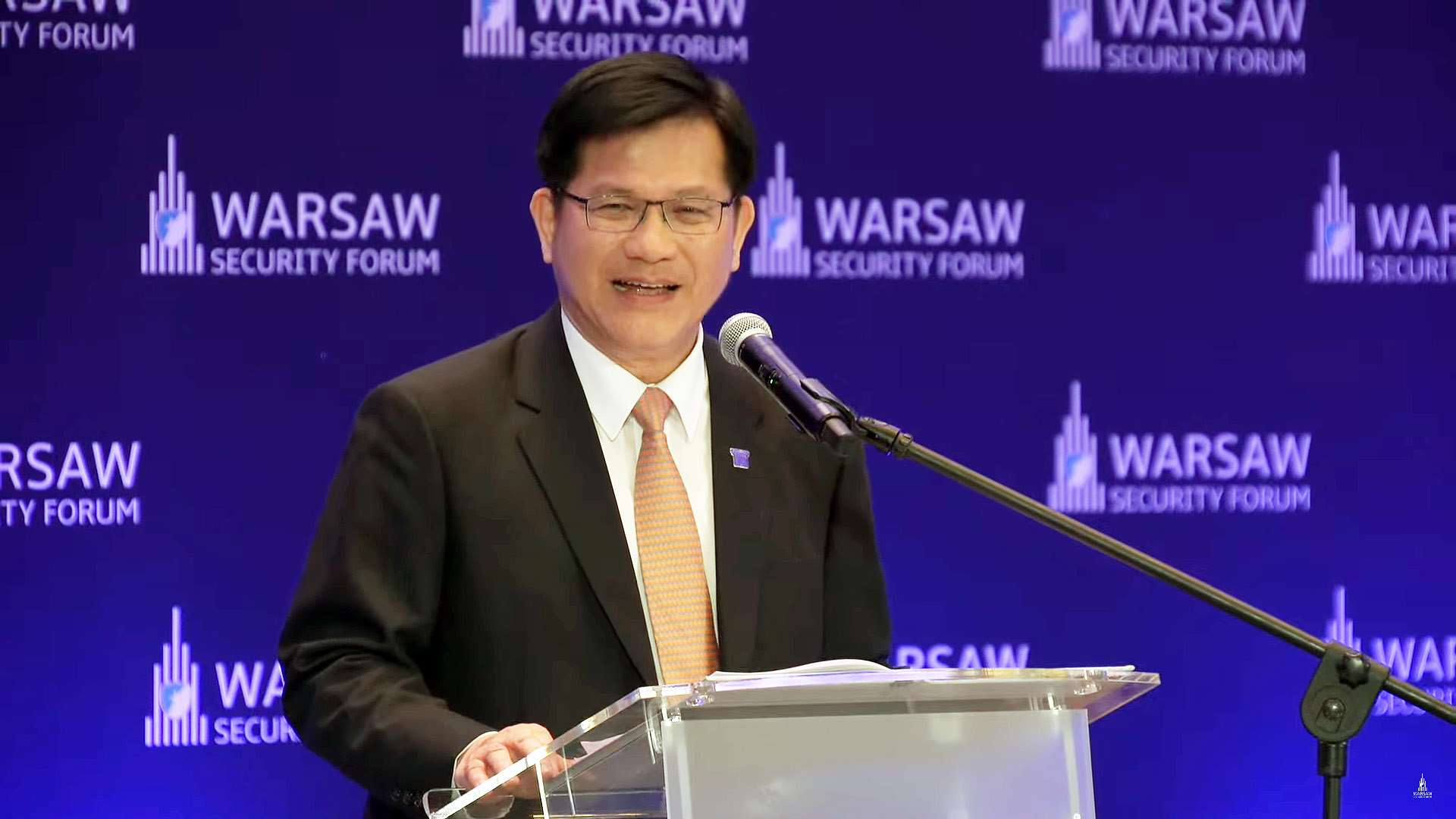
Tseng Chien-yuan, an adjunct associate professor at National Central University’s Department of Hakka Language and Social Sciences in Taiwan, warned that the WHO is now at risk of becoming dependent on China to obtain sufficient funding to maintain its operations.
Subverting Global Order
Beyond the WHO, Chen noted that the Chinese regime sought to dominate the United Nations Human Rights Council following the United States’ withdrawal from the intergovernmental body last year, thereby shielding the regime from international criticism of its human rights record.
“It is evident that Beijing is systematically trying to bring more international institutions under its control, which will inevitably weaken accountability mechanisms and significantly reduce diplomatic pressure on the regime,” Chen said.
Yeh Yao-yuan, a professor of International Studies at the University of St. Thomas in Houston, said that Beijing is capturing these organizations to build an authoritarian bloc capable of opposing the West.
“Through this, China could reshape the global order and directly challenge Washington,” Yeh told The Epoch Times.
Tseng said that while Washington originally hoped such institutions would integrate and constrain China, Beijing has instead weaponized its veto power on the U.N. Security Council to wage an ideological war against the free world.
Taiwan Blocked
The U.S. withdrawal has drawn attention in Taiwan, where the Ministry of Health and Welfare acknowledged Washington’s critical role in global public health, Taiwan’s Central News Agency reported on Jan. 29.Despite the loss of such key support, Taipei vowed to continue seeking observer status at the World Health Assembly (WHA), the WHO’s highest decision-making body, which comprises representatives from all member states.
.

The island nation briefly held observer status from 2009 to 2016 during a thaw in relations with Beijing under the Kuomintang (KMT) government, which secured participation through an arrangement negotiated directly with China.
However, Chen said that Taiwan’s hopes are now dead in the water as Beijing prepares to monopolize the organization, adding that even the informal technical exchanges Taiwan previously engaged in will be completely eliminated.
“Under these circumstances, the WHA is highly unlikely to invite Taiwan back as an observer, and Taiwan’s participation in WHO subsidiary activities will dwindle as Beijing uses its dominant position to completely lock Taiwan out,” Chen said.
Yeh argued that the impact extends beyond direct exclusion, noting that the loss of U.S. leverage will deter Taiwan’s diplomatic allies from speaking out against unchecked Chinese pressure, thereby silencing the few remaining voices willing to speak for Taipei.
“Although WHO’s future effectiveness remains questionable, most member states will likely be too intimidated by Chinese pressure to back Taiwan,” Yeh said.
Tseng suggested that since Beijing is set to isolate Taiwan and Washington is no longer there to push back, Taipei should stop expending diplomatic capital on a futile bid and consider abandoning its WHO campaign altogether.
“COVID-19 already showed that WHO failed to protect global health, and Taiwan’s exclusion from WHO is precisely why our pandemic response succeeded,” Tseng said.
Blind to Outbreaks
Chen cautioned that the WHO’s deference to Beijing already facilitated the COVID-19 catastrophe, predicting that another global pandemic is inevitable if the Chinese communist regime seizes full control of the body.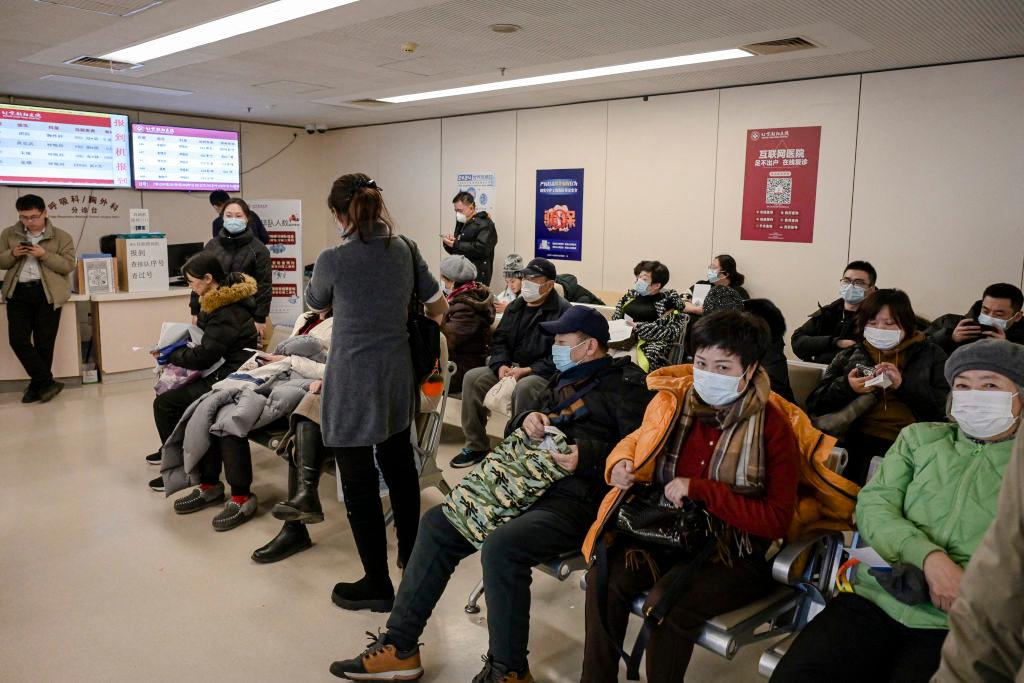
“Chinese infiltration will undermine WHO’s technical capabilities and authority, weakening its disease surveillance capacity,” Chen said.
“Whenever an outbreak investigation touches Chinese interests, Beijing will cover it up, creating far more complex situations when new diseases emerge.”
Chen further predicted that if another crisis on the scale of COVID-19 strikes, the agency’s political capture would likely lead to “far higher casualties and a much more severe global spread.”
Tseng said that expecting the WHO to contain future threats is now “wishful thinking,” particularly for pathogens originating in China, urging the international community to build an alternative safety net.
“Advanced democracies must bypass the compromised agency to build a transparent, independent disease surveillance network; otherwise, the world will be left defenseless against the next outbreak,” Tseng said.
.
What's Your Reaction?
 Like
0
Like
0
 Dislike
0
Dislike
0
 Love
0
Love
0
 Funny
0
Funny
0
 Wow
0
Wow
0
 Sad
0
Sad
0
 Angry
0
Angry
0












Comments (0)