British Lawmakers Say They Take ‘No Comfort’ in China Lifting Sanctions Amid Human Rights Abuses

British Lawmakers Say They Take ‘No Comfort’ in China Lifting Sanctions Amid Human Rights Abuses

.

A group of British lawmakers said on Jan. 30 that they “take no comfort” from China’s decision to lift the sanctions imposed on them, especially as the communist regime continues to commit human rights abuses in Hong Kong and Xinjiang.

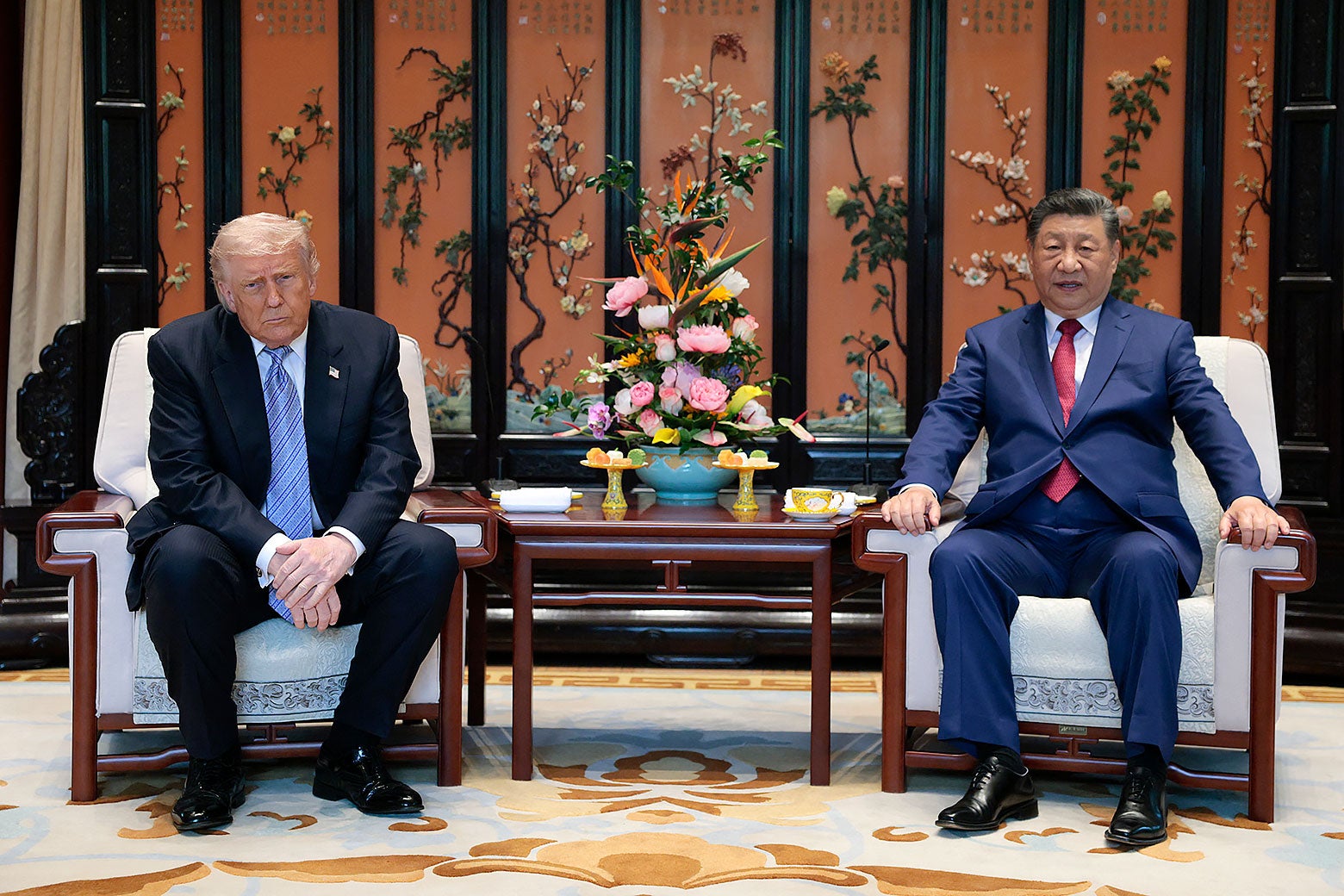
UK Prime Minister Keir Starmer, who is in China for a four-day visit, announced he had secured an assurance from Chinese leader Xi Jinping to remove the restrictions on sitting parliamentarians during their earlier meeting in Beijing.
.
“This has been a real cause for concern across parliament. And, therefore, I did raise it, and we had a discussion. And as a result, it’s clear from the Chinese that the restrictions no longer apply,” Starmer told Sky News. “Xi said what that means is that all parliamentarians are free to travel to China.”

In response, some affected members of Parliament and peers criticized Beijing’s decision to selectively lift sanctions “solely on sitting parliamentarians,” calling it “wrong.”

“While British citizen Jimmy Lai remains imprisoned, and Uyghurs continue to suffer atrocity crimes, we take no comfort in this decision and will not be silenced,” the group wrote in a statement on X.

“We look forward to receiving urgent assurances from the government regarding those who were placed under sanction together with us, and take this opportunity to express our ongoing solidarity with the Uyghur people, whose cause we will not drop.”

In March 2021, the Chinese regime’s foreign ministry announced the sanctions on nine UK individuals, accusing them of maliciously spreading what Beijing called “lies and disinformation.”

Among those targeted were five Conservative Members of Parliament: Tom Tugendhat, Iain Duncan Smith, Neil O'Brien, Nusrat Ghani, and Tim Loughton—all of whom have been vocal about the regime’s repressions of Uyghur Muslims in the far-west region of Xinjiang.

Two members of the House of Lords—David Alton and Helena Kennedy—were also on the regime’s blacklist.

The action was a retaliation against the British government’s earlier sanctions against four Chinese officials and two entities identified as responsible for “systemic violations against Uyghurs and other minorities” in Xinjiang.
Downing Street said later on Jan. 30 that the government would not be lifting sanctions on Chinese individuals, reported the BBC.

It remains unclear whether Loughton, who stepped down in the 2024 general election, or other affected Britons would be removed from Beijing’s sanction list.

By the time of publication, China’s foreign ministry had not issued any statement regarding the dropping of sanctions on serving British parliamentarians.

Last year, China also lifted sanctions on European Parliament members and its subcommittee on human rights. While there was no formal statement from Beijing, the European Parliament confirmed this decision in an April 2025 statement.
.
The sanctions Beijing imposed on EU citizens and entities in 2021 prompted the European Commission to freeze the Comprehensive Agreement on Investment, a landmark trade pact that Chinese and European negotiators had been discussing for seven years.
.
The Parliament’s leaders reiterated in a statement at the time that “the lifting of sanctions does not mean the European Parliament will overlook persistent challenges in EU-China relations.”

“Parliament will remain a strong defender of universal human rights and fundamental values worldwide while seeking to engage with global partners in a principled and clear-eyed manner.”

.