

Trump Signals Talks With Cuba as Communist Island Crumbles Under Pressure
U.S. President Donald Trump announced on May 12 that Cuba is asking for help and that talks between Washington and Havana are imminent. The announcement comes as the island nation faces a severe energy and economic crisis, largely triggered by U.S. sanctions and a fuel blockade that has left millions without reliable power.


.
A Surprise Post Breaks the Silence
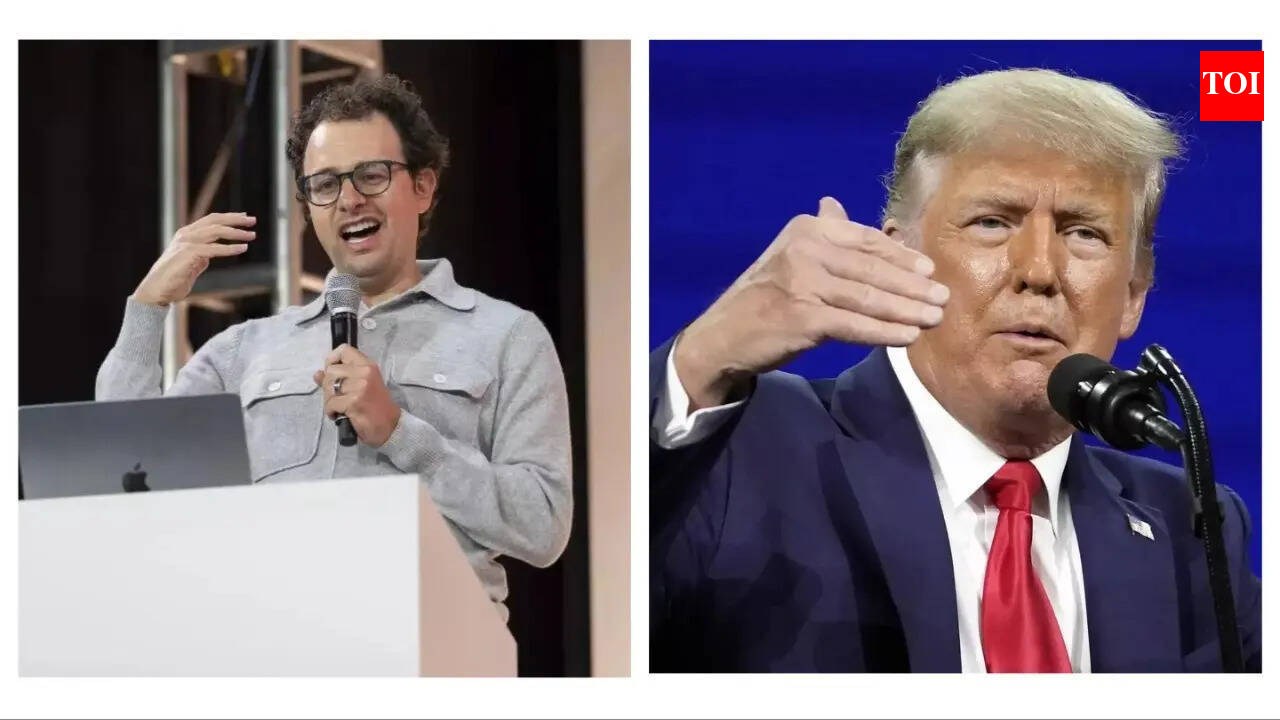
In a brief but pointed post on Truth Social, President Trump made an unexpected announcement on Tuesday: Cuba is reaching out, and Washington is ready to respond. "No Republican has ever spoken to me about Cuba, which is a failed country and only heading in one direction – down! Cuba is asking for help, and we are going to talk!!!" Trump wrote, before adding that he was heading off to China.
No further details were provided by the White House or the State Department. Havana also made no immediate public statement. But the message was clear: after months of relentless pressure, Cuba appears to be coming to the table.
How Cuba Got Here: A Crisis Years in the Making
Cuba's problems did not begin overnight. The island has struggled for decades under a state-controlled economy, rigid Communist Party rule, and a U.S. embargo in place since 1962. But the situation has dramatically worsened in recent months.
For years, Venezuela – ruled by Trump's longtime adversary Nicolás Maduro – supplied Cuba with heavily subsidized oil that kept the island's antiquated power grid running. That lifeline was cut when U.S. forces seized Maduro earlier this year. With Venezuelan oil gone and Russian deliveries covering only a fraction of what Cuba needs, the energy system began to buckle.
In January 2026, the Trump administration tightened the screws further. An executive order threatened tariffs on any country supplying oil to Cuba, effectively turning the screws into a full blockade. Since then, Cuba has experienced repeated nationwide blackouts. In mid-March, the entire island of 11 million people lost power simultaneously. Hospitals reportedly face a backlog of over 96,000 surgeries. Garbage trucks sit idle for lack of fuel. In some neighborhoods, power is out for 15 hours or more a day.
Washington's Strategy: Maximum Pressure, Then a Deal
The Trump administration has made clear that its goal is not just an economic adjustment – it wants political change in Havana. The White House has publicly called for Cuban President Miguel Díaz-Canel to step down and has demanded the release of political prisoners as a precondition for any relief.
Díaz-Canel's government has already made some moves: over 2,000 prisoners were released in early April, and the Cuban leadership confirmed diplomatic contact with U.S. officials as far back as March. Trump previously stated he believes Cuba could be "taken over" by the United States – either through negotiation or by force – describing it as a "very weakened nation."
Alongside the fuel blockade, the Trump administration has imposed fresh financial sanctions targeting GAESA – the Cuban military's vast business conglomerate that controls much of the island's economy. Travel and remittances from the U.S. to Cuba have been curtailed. Regional governments have been pressured to stop contracting Cuban doctors, another key source of foreign income for the regime.
The China Factor
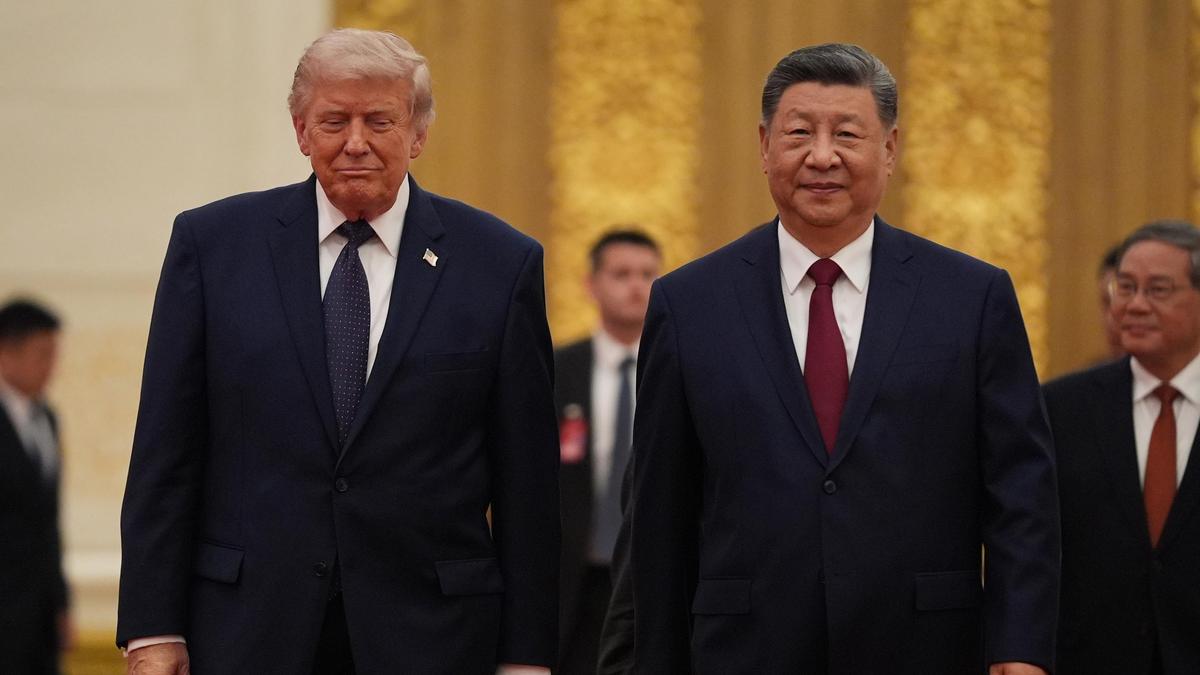
Trump's announcement came just as he was boarding a plane to China, where he is meeting President Xi Jinping this week. The timing is unlikely to be a coincidence.
Beijing has repeatedly called on Washington to end its embargo on Havana and declared the new sanctions "illegal." China has long maintained close ties with Cuba and views U.S. pressure on the island as part of a broader American effort to reassert dominance in the Western Hemisphere. By announcing potential talks with Cuba just before sitting down with Xi, Trump may be signaling that the Caribbean's future is very much on the agenda.
What Comes Next?
It remains unclear what form any talks will take, who will lead them, or what Cuba would have to offer in return for sanctions relief. The Communist government in Havana has described U.S. conditions as "collective punishment" and has resisted calls for fundamental political reforms.
UN experts have already condemned the fuel blockade as a violation of international law, warning it threatens Cuba's food supply, water systems, and hospitals. Whether that pressure – or the prospect of talks with Washington – will translate into meaningful change inside Cuba remains the central question.
For now, both sides appear to be testing the waters. But with Cuba's economy in freefall and its power grid on life support, time is not on Havana's side.
.
Sources:
- Reuters / WHBL – Trump says Cuba is seeking help, will hold talks (May 12, 2026): https://whbl.com/2026/05/12/trump-says-cuba-is-seeking-help-will-hold-talks/
- Al Jazeera – US issues new Cuba sanctions as UN experts warn of 'energy starvation' (May 7, 2026): https://www.aljazeera.com/news/2026/5/7/us-issues-new-cuba-sanctions-as-un-experts-warn-of-energy-starvation
- NPR – Cuba hit by island-wide blackout as energy crisis deepens (March 16, 2026): https://www.npr.org/2026/03/16/nx-s1-5749457/cuba-blackout-sanctions-oil
- Wikipedia – 2026 Cuban crisis (continuously updated): https://en.wikipedia.org/wiki/2026_Cuban_crisis
- Al Jazeera – Cuba's private sector faces Trump's oil blockade (May 9, 2026): https://www.aljazeera.com/economy/2026/5/9/a-year-of-resistance-cubas-private-sector-faces-trumps-oil-blockade
- Electric Choice – Cuba Electricity: 2026 Crisis overview: https://www.electricchoice.com/blog/cuba-electricity-crisis/
.
What's Your Reaction?
 Like
0
Like
0
 Dislike
0
Dislike
0
 Love
0
Love
0
 Funny
0
Funny
0
 Wow
0
Wow
0
 Sad
0
Sad
0
 Angry
0
Angry
0











Comments (0)