

General Mills Sells Häagen-Dazs Ice Cream Shops in China — A Sweet Exit from a Cooling Market
General Mills is offloading its Häagen-Dazs ice cream parlors in mainland China to a local investor group led by Chinese tea chain Ningji. The deal reflects a broader retreat of Western consumer brands from China's increasingly difficult market — and signals that the premium ice cream era in the country may be over.

.
General Mills Hands Over the Scoop
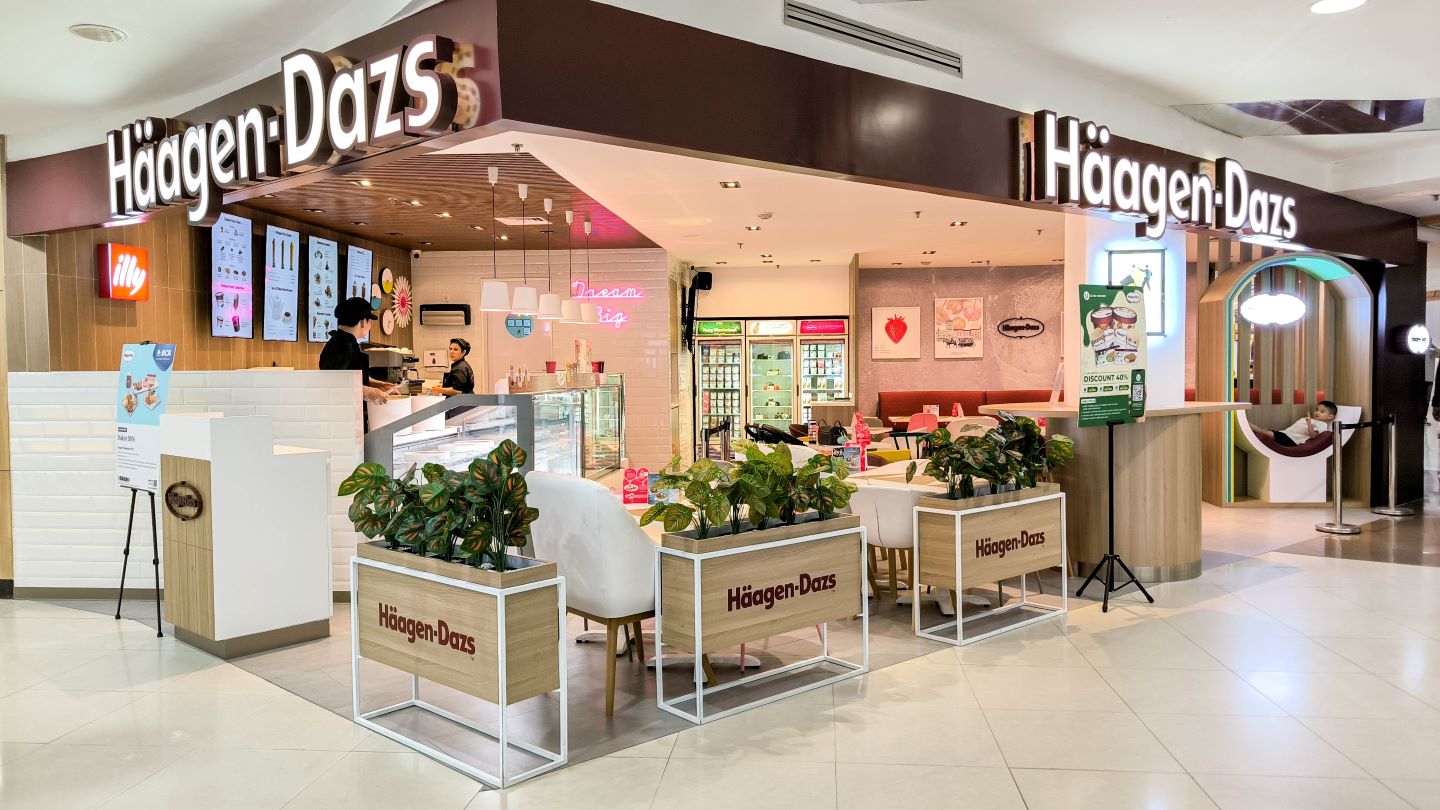
Minneapolis-based food giant General Mills has agreed to sell its network of Häagen-Dazs branded ice cream shops in mainland China to a domestic investor group that includes Ningji, a fast-growing Chinese tea retailer. The deal grants the new owners exclusive rights to operate Häagen-Dazs branded shops and gifting businesses throughout mainland China.
General Mills will, however, retain its grip on retail and food service sales of the Häagen-Dazs brand in China — meaning the iconic tubs will still be stocked in supermarkets and convenience stores. Only the brick-and-mortar parlor business is changing hands.
Financial terms were not disclosed. The transaction is expected to close before the end of 2025.
Who Is Ningji — and Why Does It Matter?
Ningji, the lead buyer in the deal, is a Shanghai-based tea chain that has grown rapidly since its founding in 2021. The company now operates around 3,000 retail tea outlets across China — a remarkable expansion in just a few years.
The brand has attracted significant investment from high-profile backers, including ByteDance, the Beijing-based parent company of TikTok, and venture capital firm Shunwei Capital. The backing gives Ningji both the financial firepower and digital distribution muscle to reposition the Häagen-Dazs shop format for Chinese consumers.
Whether Ningji can breathe new life into the brand remains to be seen. But the partnership signals a strategic bet that the premium ice cream concept can survive in China — if placed in the right local hands.
Why Häagen-Dazs Is Struggling in China
For decades, Häagen-Dazs successfully marketed itself as a luxury product in China, with sleek boutique-style shops and high prices. But consumer preferences have shifted significantly.
Yaling Jiang, an independent Chinese consumer analyst, told AP that Häagen-Dazs has been charging premium prices "without delivering sufficient product value or cultural relevance." The brand's traditional, high-fat ice cream lineup has "passed its peak" in China, she said.
Meanwhile, lighter, low-fat gelato options and locally developed frozen desserts are gaining ground, especially among younger Chinese consumers. In a tighter economic environment, paying a steep premium for a foreign ice cream brand is increasingly hard to justify.
A Broader Pattern: Western Brands Pulling Back
The Häagen-Dazs deal is not an isolated case. It fits into a clear and growing trend of Western companies restructuring or reducing their China exposure by bringing local investors on board.
In November 2024, Starbucks announced a joint venture with Chinese private equity firm Boyu Capital in a deal valued at approximately $4 billion, granting Boyu up to a 60% stake in Starbucks' China operations.
Just months earlier, Restaurant Brands International — the Canadian parent company of Burger King — struck a similar deal. It entered a joint venture with Chinese investment firm CPE, which invested around $350 million and took an approximately 83% ownership stake in Burger King's China business.
The pattern is unmistakable: foreign brands that once saw China as a growth engine are now recalibrating, sharing — or outright transferring — control to local partners who better understand an increasingly complex and sluggish market.
What's Behind the Retreat?
China's post-pandemic economic recovery has been weaker than expected. Consumer confidence remains subdued, discretionary spending has tightened, and foreign brands often struggle to compete with nimble, trend-aware domestic competitors.
Economic analysts have pointed to structural challenges in the Chinese economy — including a prolonged property market downturn, persistently high youth unemployment, and cautious household spending — as factors weighing on foreign retail businesses operating in the country.
For Western brands accustomed to strong growth in China throughout the 2000s and 2010s, the current environment demands a fundamental rethink of strategy.
Outlook: Localization or Exit?
The sale of Häagen-Dazs shops in China may ultimately prove to be a smart move for General Mills. By transferring operational risk to a local partner, the company protects its brand while shedding the complexities of running physical retail in a challenging market.
Whether Ningji can successfully reinvent the Häagen-Dazs shop experience for a new generation of Chinese consumers — perhaps blending it with tea culture or digital-first retail formats — will be one of the more interesting brand experiments to watch in the months ahead.
For now, the message is clear: in today's China, even premium foreign brands need local partners to stay relevant.
.
Sources:
- AP News – General Mills agrees to sell Häagen-Dazs shops in China to investor group: https://apnews.com/article/haagen-dazs-china-ice-cream-ningji-ba4681047da186010972603e1e18949f
- AP News – Starbucks China joint venture with Boyu Capital: https://apnews.com/article/starbucks-china-stake-boyu-capital-coffee-290006ba2eec33168b42985eb6576818
- Reuters – Foreign brands restructuring China operations amid economic slowdown: https://www.reuters.com/business/retail-consumer/foreign-brands-rethink-china-strategy-amid-consumer-slowdown-2024/
- BBC News – China's economy: slowdown, property crisis and consumer confidence: https://www.bbc.com/news/business/china-economy
.
What's Your Reaction?
 Like
0
Like
0
 Dislike
0
Dislike
0
 Love
0
Love
0
 Funny
0
Funny
0
 Wow
0
Wow
0
 Sad
0
Sad
0
 Angry
0
Angry
0















Comments (0)