

Trump Says US Action in Venezuela Does Not Set Precedent for China to Move on Taiwan


.
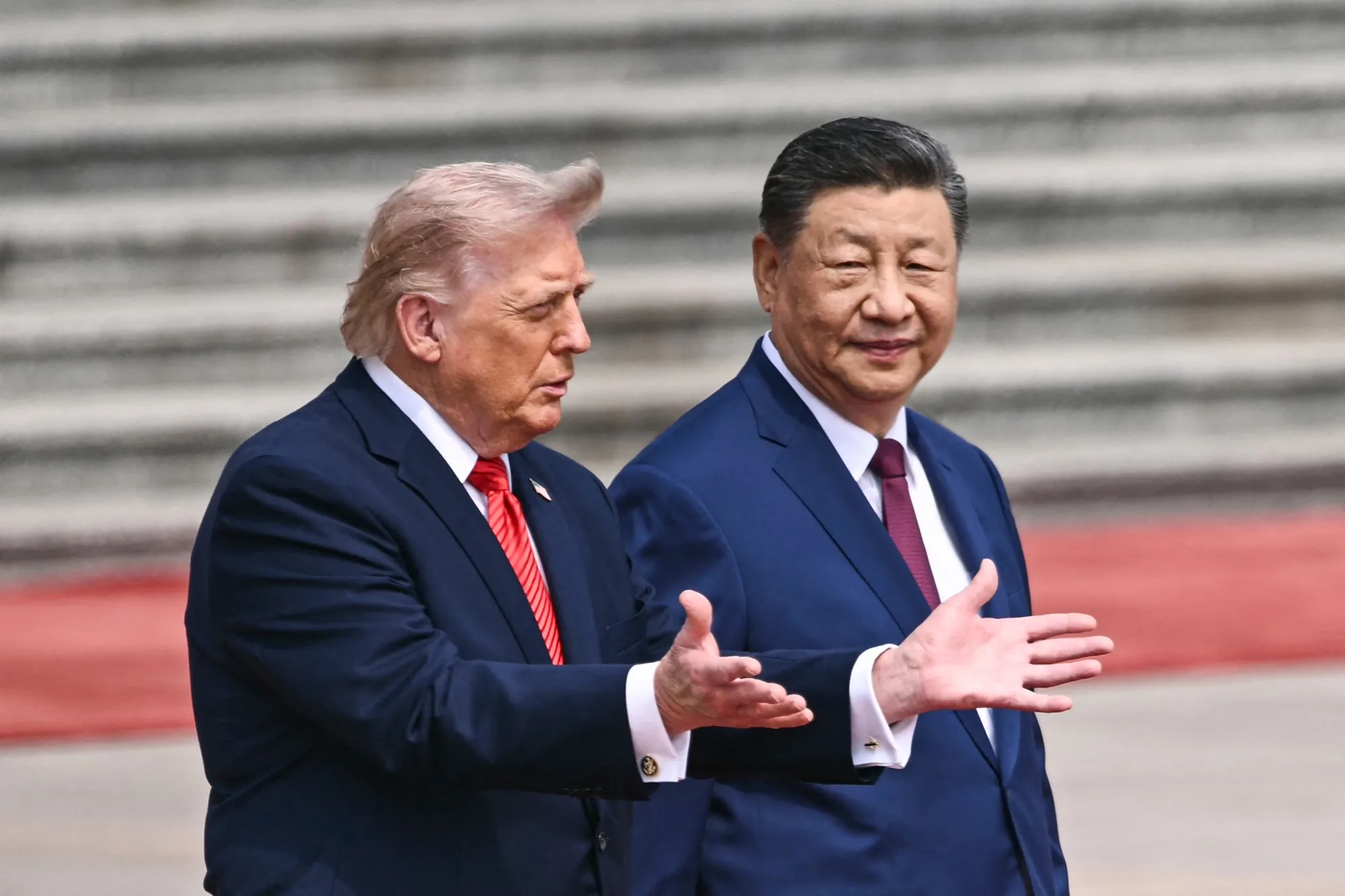
President Donald Trump said Washington’s recent military operation in Venezuela should not be seen as a precedent for China to take action against Taiwan, arguing that the circumstances were fundamentally different and insisting that Beijing would not move against the island while he remains in office.
“This was a real threat,” Trump said of Venezuela, repeating his claim that Maduro’s regime allowed criminals and drugs to flow into the United States.
“You didn’t have people pouring into China. You didn’t have drugs pouring into China,” he said, adding that Taiwan had not opened its prisons or sent criminals across borders.
Trump said that while Xi views Taiwan as part of China, he has made clear to the Chinese leader that any move against the island would draw a strong reaction from Washington.
“That’s up to him, what he’s going to be doing,” Trump said of Xi. “But I’ve expressed to him that I would be very unhappy if he did that, and I don’t think he’ll do that. I hope he doesn’t.”
Trump added that he believes Xi would not risk military action during his presidency, echoing remarks he has made that Russia would never have invaded Ukraine had he been in the White House instead of former President Joe Biden.
Taiwan on Edge After Chinese War Games
Trump’s comments come as tensions across the Taiwan Strait have risen following one of China’s most expansive military exercises around the island in recent years.China’s foreign ministry said the drills were intended as “punitive and deterrent action” against what it described as separatist forces seeking Taiwan independence. The Chinese communist regime has never ruled Taiwan but considers it part of its territory and has not ruled out the use of force to bring it under its control.
At the time, Trump said Xi had not notified him about the drills, but that he viewed them as routine and not cause for concern.
Lai has proposed a special $40 billion defense budget that would fund major arms purchases, including a new air defense system known as the “Taiwan Dome.” The measure has been blocked repeatedly in the legislature by opposition parties, which argue it would push government borrowing beyond legal limits.
“Facing China’s alarming military ambitions, Taiwan has no time to wait and certainly no time to consume ourselves with internal strife,” Lai said, urging lawmakers to pass the package quickly.
Pigott urged Beijing to exercise restraint and “engage in meaningful dialogue,” adding that the United States “opposes unilateral changes to the status quo, including by force or coercion.”
Trump has not detailed how the United States would respond to a crisis over Taiwan, though he has said repeatedly he believes Beijing would not act while he’s in office.
.
What's Your Reaction?
 Like
0
Like
0
 Dislike
0
Dislike
0
 Love
0
Love
0
 Funny
0
Funny
0
 Wow
0
Wow
0
 Sad
0
Sad
0
 Angry
0
Angry
0










Comments (0)