

Trump Plans Call with Taiwan's President — A Diplomatic Bombshell That Rattles Beijing
U.S. President Donald Trump has announced his intention to speak directly with Taiwan's President Lai Ching-te. Such a call would be the first direct conversation between a sitting U.S. and Taiwanese leader since 1979, and carries major implications for relations between Washington and Beijing.


.
A Historic First in the Making
U.S. President Donald Trump confirmed on Wednesday that he intends to have a direct phone conversation with Taiwan's President Lai Ching-te. Speaking to reporters at Joint Base Andrews before boarding Air Force One, Trump said simply: "I'll speak to him. I speak to everybody." He added that the two sides would work on "the Taiwan problem."
The statement marks the second time within a single week that Trump has publicly expressed this intention — making clear it is no verbal slip. A senior source familiar with the matter confirmed, however, that no call had been formally scheduled as of Wednesday afternoon.
The White House did not respond to immediate requests for details on timing or agenda. China's embassy in Washington also gave no response.
47 Years of Diplomatic Silence
The significance of this potential call cannot be overstated. Since 1979, the United States has maintained official diplomatic relations with the People's Republic of China, while keeping only unofficial ties with Taiwan — a framework built on the Taiwan Relations Act and shaped by three U.S.-China communiqués.
A direct conversation between a sitting U.S. president and Taiwan's leader has not occurred since Washington shifted diplomatic recognition from Taipei to Beijing in 1979. That nearly half-century of silence has been a cornerstone of the diplomatic balancing act that Washington has maintained between Beijing and Taipei.
The only comparable recent precedent came in late 2016, when Trump — as president-elect — accepted a phone call from then-Taiwanese President Tsai Ing-wen. It was the first such contact between a Taiwanese leader and an incoming or serving U.S. president since Washington switched recognition.
Mixed Signals from Washington
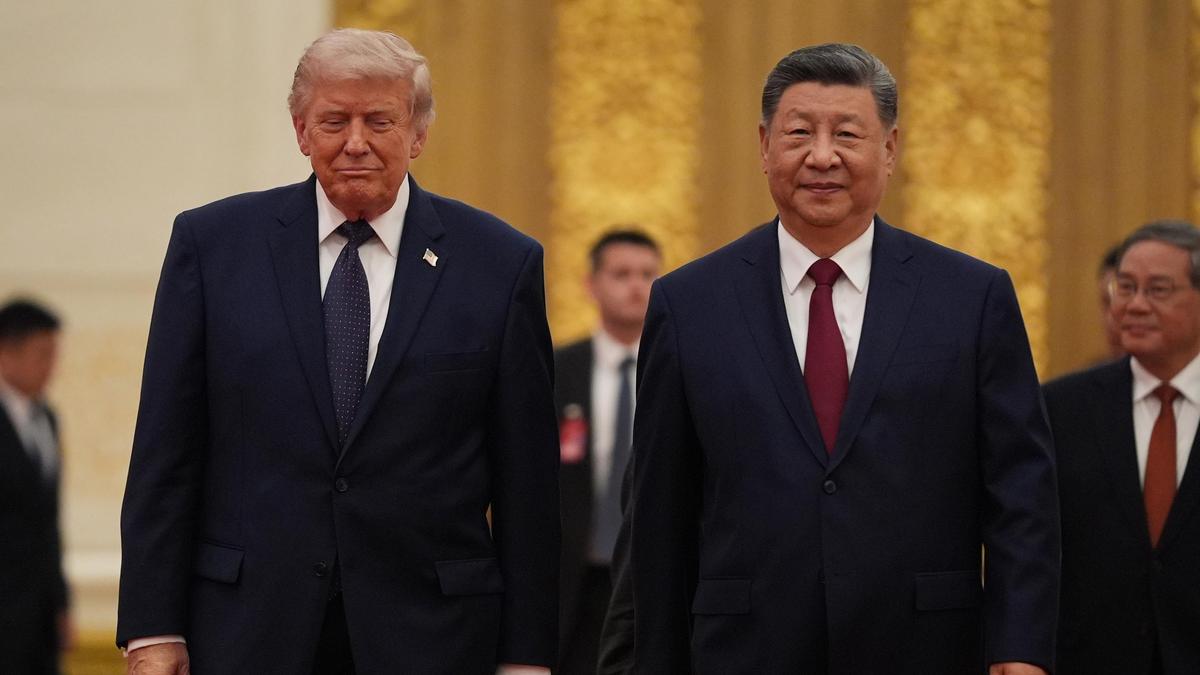
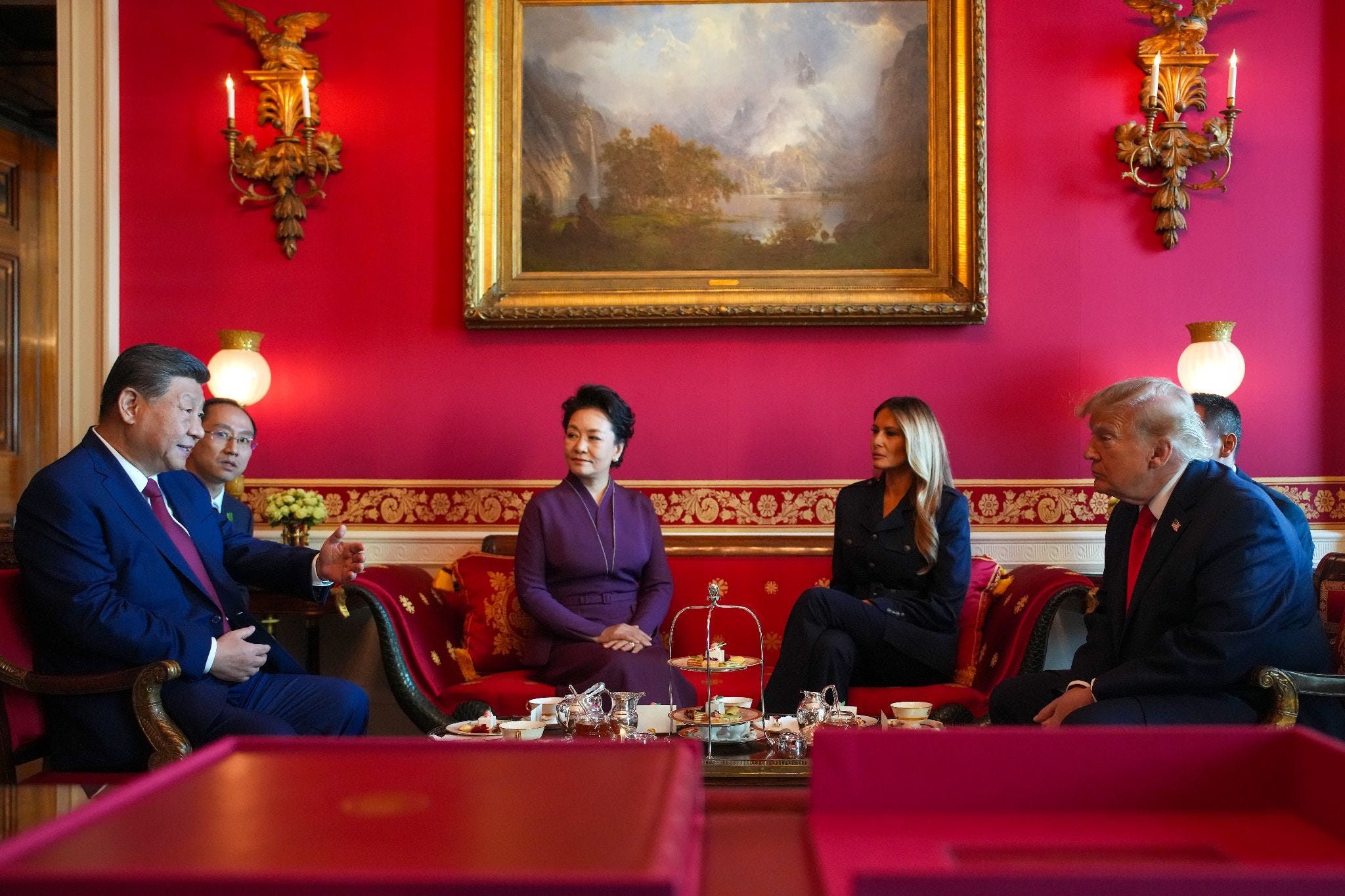
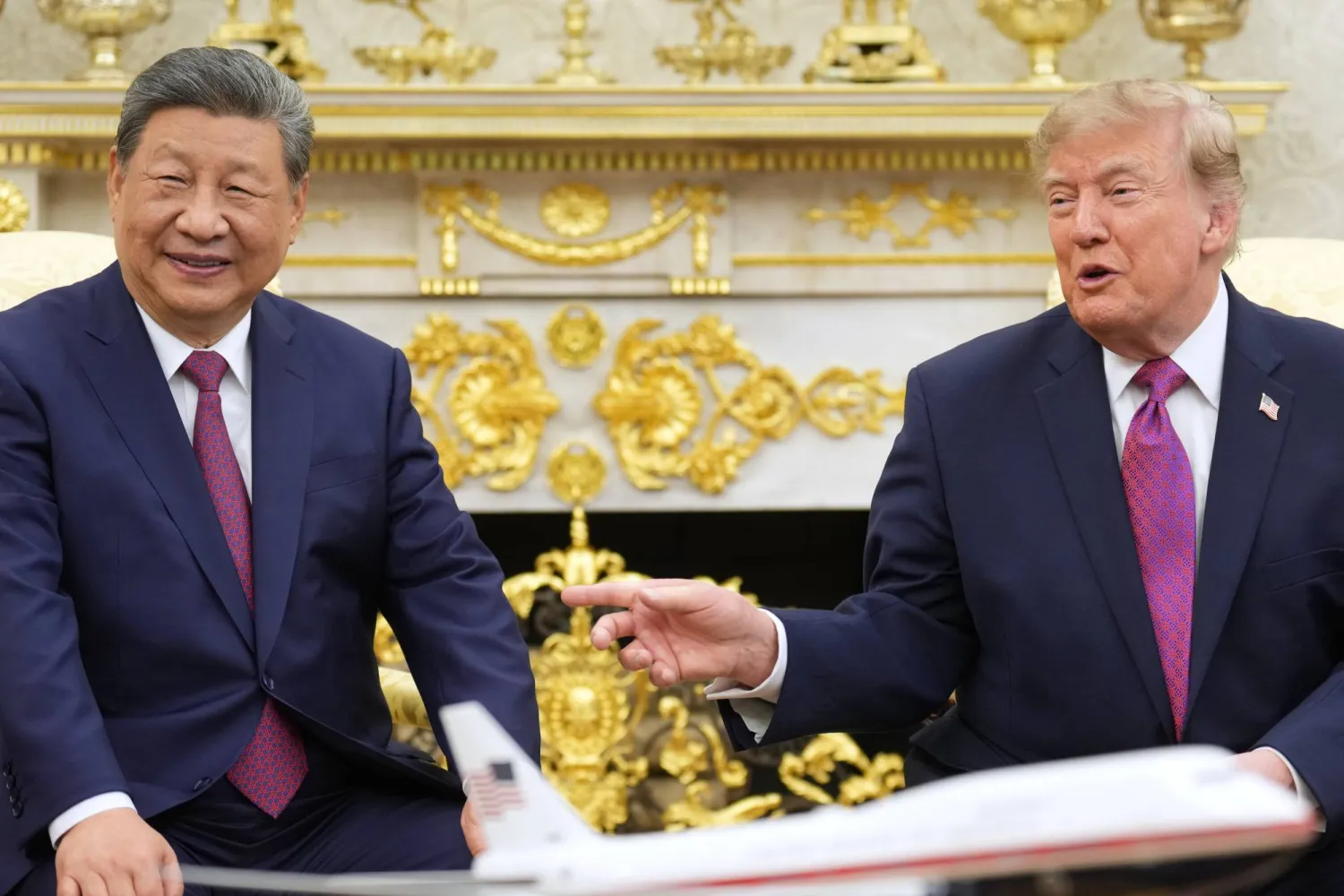
Trump's latest announcement comes at a particularly sensitive moment. Just last week, he returned from a state visit to Beijing, where he held talks with Chinese President Xi Jinping. Following that summit, Trump suggested that arms sales to Taiwan could be used as a bargaining chip with China, causing concern in Taipei.
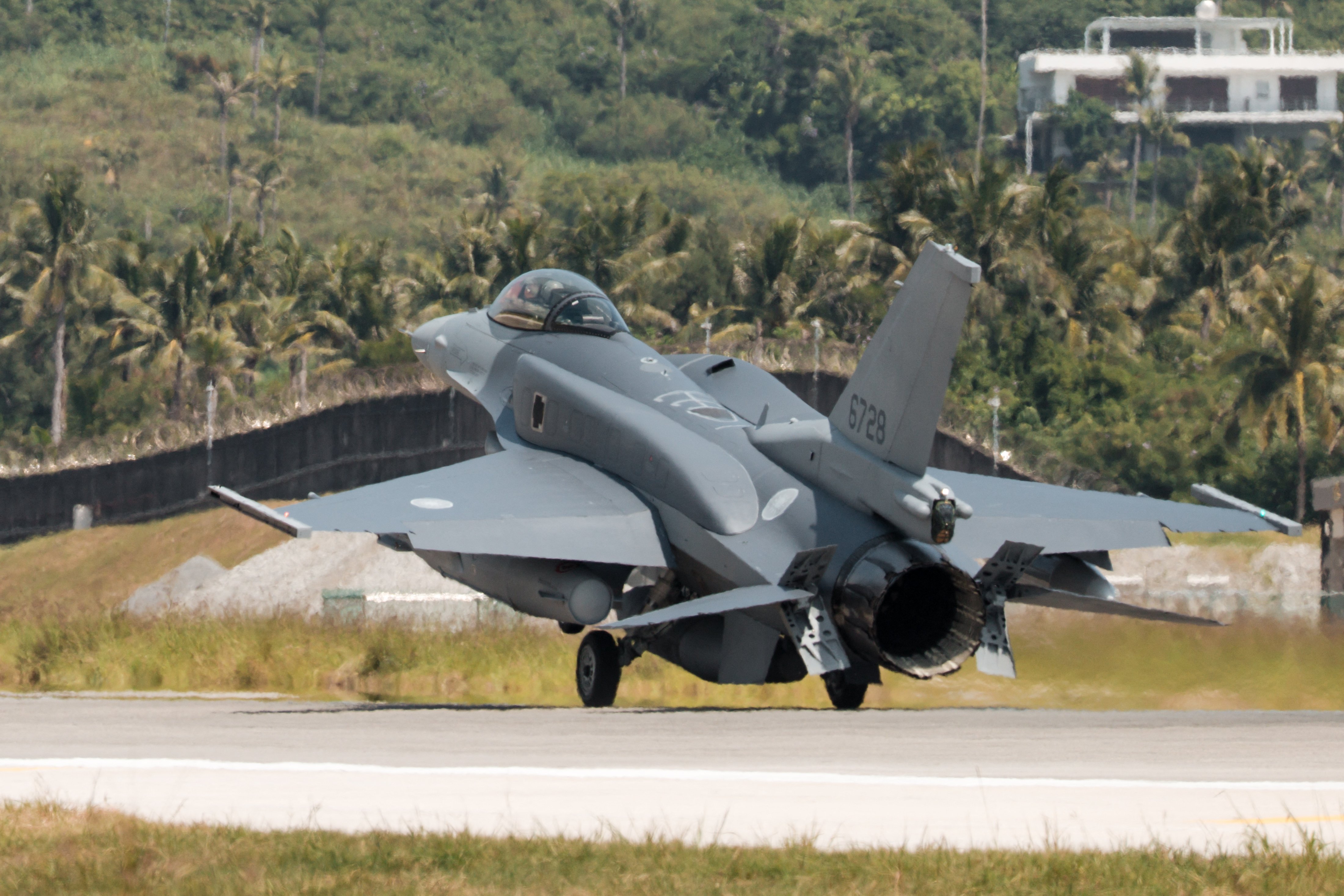
Trump's language is raising eyebrows on both sides of the Taiwan Strait. His reference to the "Taiwan problem" mirrors phrasing commonly used by Beijing — a rhetorical choice that Taipei has noted carefully. At the same time, the Trump administration is weighing whether to move ahead with a $14 billion weapons sale to the self-ruling island.
Trump has previously stated he has approved more weapons sales to Taiwan than any other U.S. president, while also describing his personal relationship with Xi Jinping as "amazing" — a combination of signals that leaves Taipei uncertain about where it truly stands.
Taiwan: Welcomes Dialogue, Holds Its Ground
Taiwan's President Lai Ching-te has responded with a calm but firm position. He stated publicly that if given the opportunity to speak with Trump, he would emphasize that his government is committed to maintaining the status quo across the Taiwan Strait — and that it is China, through its massive military build-up across the Indo-Pacific region, that is undermining regional peace.
"No country has the right to annex Taiwan," Lai said. "The people of Taiwan pursue a democratic and free way of life, and democracy and freedom should not be regarded as provocation."
Lai reiterated his stance that the Republic of China is already an independent country that does not belong to Beijing, and that "there is no so-called 'Taiwan independence' issue."
Taiwan's Deputy Foreign Minister Chen Ming-chi said Taipei was using all available communication channels to understand the true intent behind Trump's remarks. "We would of course very much welcome it," he said, referring to a potential call.
The Legal Framework: Washington's Obligation
Regardless of diplomatic nuance, U.S. law does not leave much room for ambiguity on one key point. The Taiwan Relations Act, enacted on April 10, 1979, permits arms sales to help Taiwan maintain its self-defense and states that any non-peaceful effort to determine Taiwan's future would be of grave concern to the United States.
U.S. arms sales to Taiwan are governed in large part by the Taiwan Relations Act of 1979, which Congress passed shortly after the Carter administration ended official diplomatic relations with Taiwan. Both Republican and Democratic lawmakers have urged the Trump administration to continue those sales — underscoring that this is not a partisan issue in Washington.
Taiwan's strategic importance goes beyond security. The island of 23 million people is the fourth-largest trading partner of the United States. A large share of that trade consists of advanced semiconductors — the microchips that power everything from smartphones to artificial intelligence systems worldwide.
Beijing's Red Line
For the People's Republic of China, any direct U.S.-Taiwan presidential contact represents a provocation. Beijing has never renounced the use of military force to bring Taiwan under its control and views the island as an inseparable part of Chinese territory. During the Beijing summit last week, Xi Jinping reportedly warned of potential conflict if the Taiwan issue is not handled carefully.
Any perceived shift in U.S.-Taiwan engagement often triggers strong reactions from Beijing, increasing regional tension. The development highlights how Taiwan remains a central pressure point in U.S.-China relations, where even limited diplomatic gestures can have outsized geopolitical impact.
What Comes Next
The question now is whether the call will actually take place — and what it will signal to the world if it does. For Taipei, such a conversation would offer a much-needed reassurance that Washington remains a committed partner. For Beijing, it would be a direct challenge to decades of diplomatic protocol.
Trump's track record suggests he is not afraid to break with convention. Whether that boldness ultimately strengthens Taiwan's position — or is used as leverage in a broader negotiation with China — remains to be seen.
.
Sources:
- Reuters – Trump says he will speak with Taiwan's president: https://www.reuters.com/world/china/trump-says-he-will-speak-with-taiwans-president-2026-05-20/
- Bloomberg – Trump Says He Will Speak to Taiwan's Lai as US Weighs $14 Billion Arms Sale: https://www.bloomberg.com/news/articles/2026-05-20/trump-says-will-speak-to-taiwan-president-as-he-weighs-arms-sale
- Taipei Times – Taiwan welcomes chance for Trump to talk with Lai: https://www.taipeitimes.com/News/taiwan/archives/2026/05/19/2003857582
- Modern Diplomacy – Taiwan Open to Trump-Lai Call After US-China Summit: https://moderndiplomacy.eu/2026/05/18/taiwan-open-to-trump-lai-call-after-us-china-summit-raises-tensions/
- Wikipedia / U.S. Congress – Taiwan Relations Act (TRA), Pub. L. 96–8, April 10, 1979: https://en.wikipedia.org/wiki/Taiwan_Relations_Act
- Arms Control Association – U.S. Conventional Arms Sales to Taiwan: https://www.armscontrol.org/factsheets/us-conventional-arms-sales-taiwan-1980-2010
.
What's Your Reaction?
 Like
0
Like
0
 Dislike
0
Dislike
0
 Love
0
Love
0
 Funny
0
Funny
0
 Wow
0
Wow
0
 Sad
0
Sad
0
 Angry
0
Angry
0









Comments (0)