

China Blocks U.S. Defense Talks Over Taiwan Arms Deal
Beijing is refusing to approve a planned visit by a senior Pentagon official to China — using the proposed $14 billion U.S. weapons package for Taiwan as political leverage. The standoff comes just days after President Trump's summit with Xi Jinping and adds fresh uncertainty to America's commitment to defend the island democracy.

.
Beijing Uses Pentagon Visit as Bargaining Chip
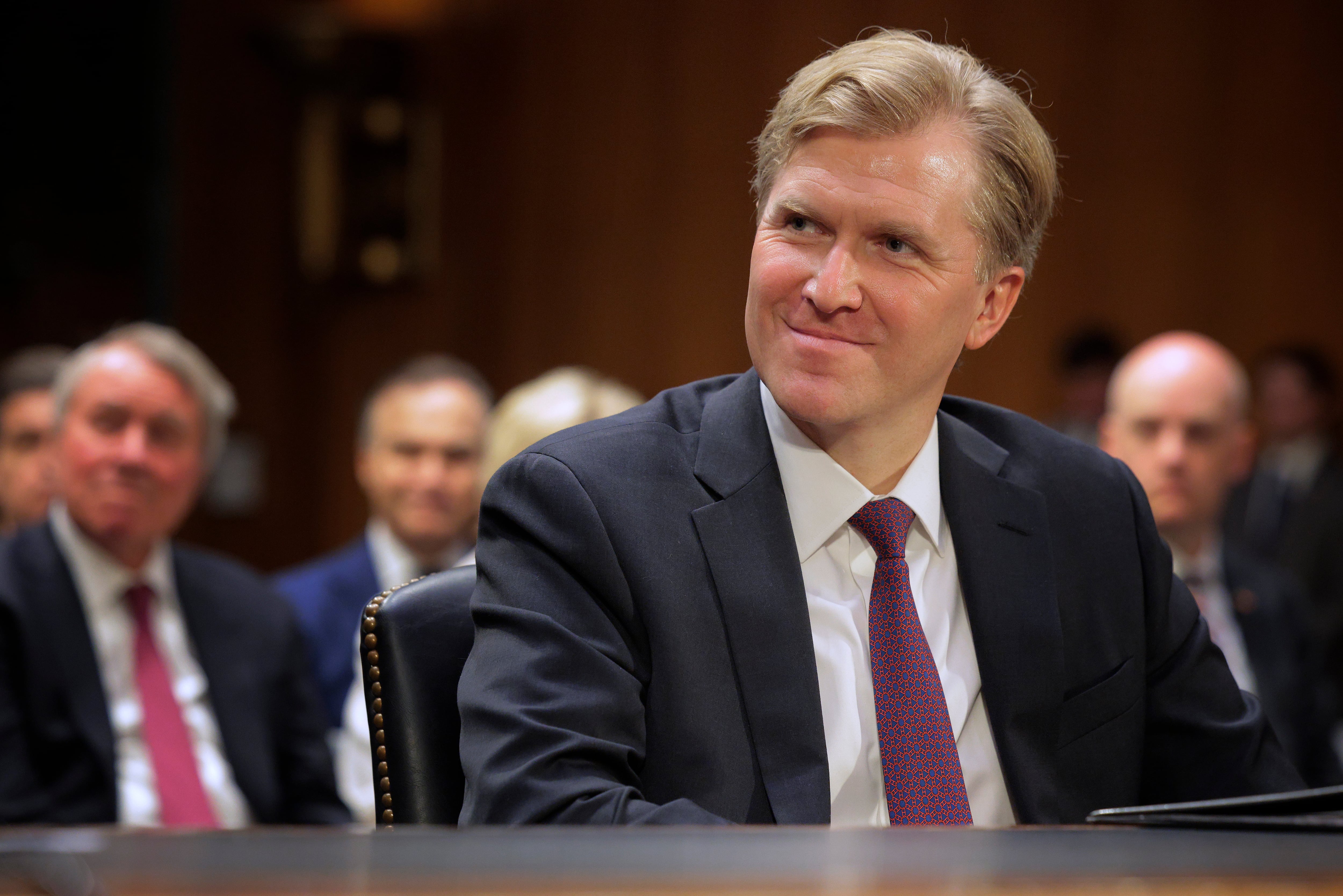
China is blocking a planned trip by the U.S. Pentagon's top policy official, Elbridge Colby, using the proposed arms deal for Taiwan as leverage. According to a report by the Financial Times, Chinese officials have signaled that Colby's visit cannot move forward until President Trump makes a final decision on whether to proceed with a $14 billion weapons package for the island.
Colby, who serves as the U.S. Under Secretary of Defense for Policy, had been in discussions with Chinese counterparts about a potential summer visit to Beijing. But China has now effectively put that visit on hold — turning what should be a routine military dialogue into a political bargaining chip.
A $14 Billion Package — and Growing Uncertainty
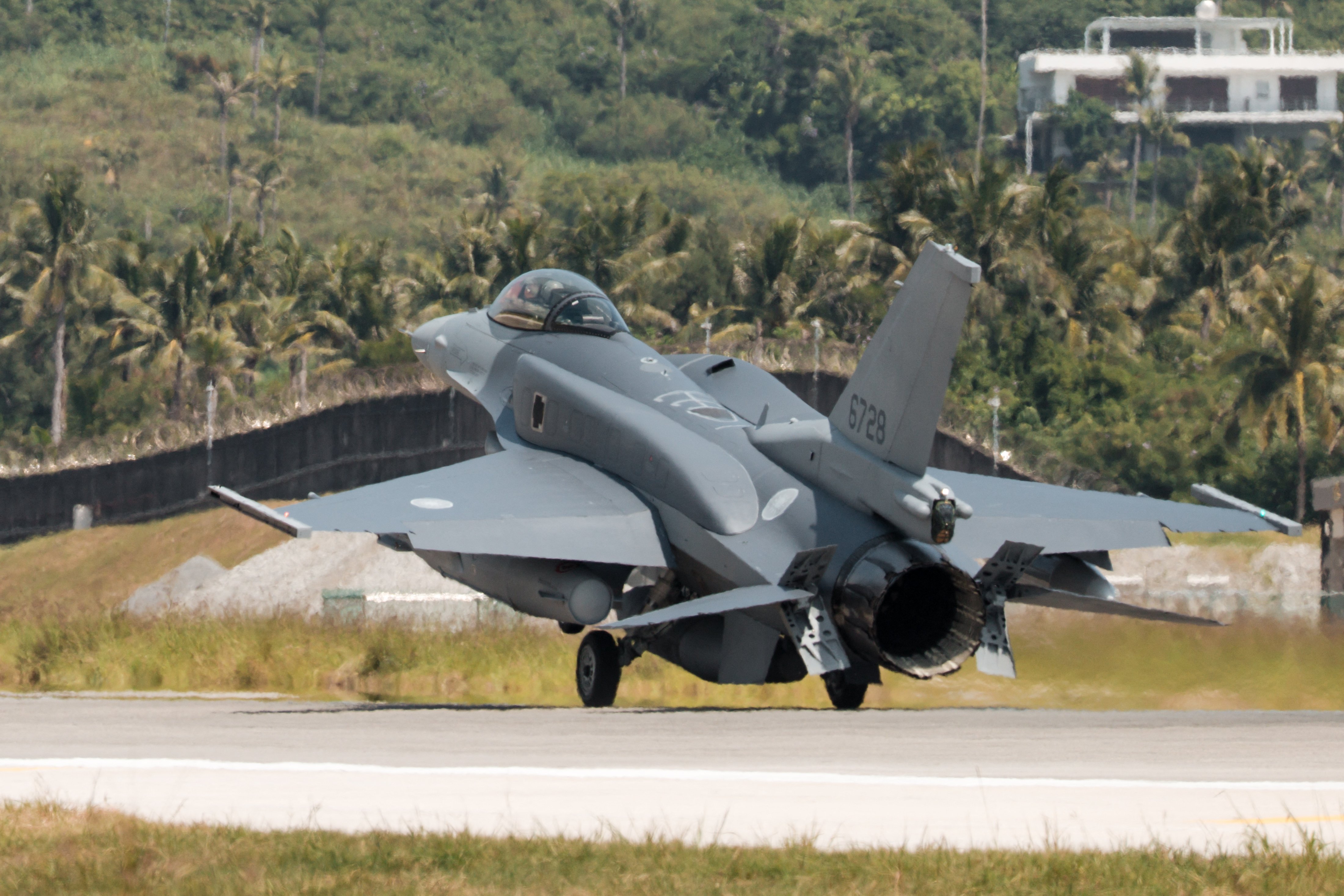
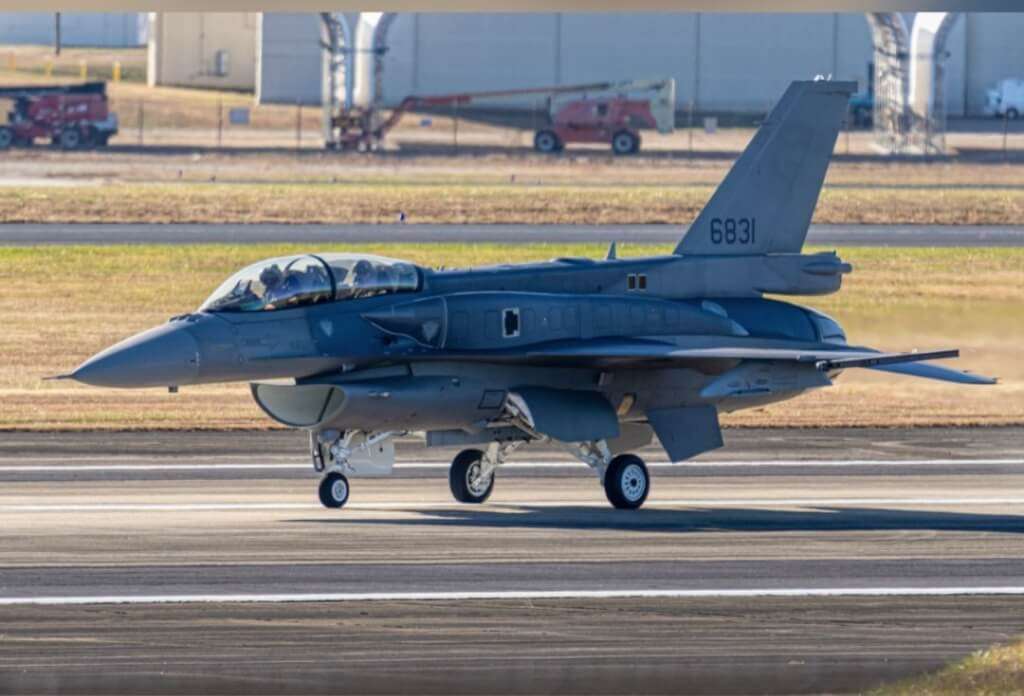
The weapons package at the center of the dispute includes advanced interceptor missiles and air defense systems, and is valued at approximately $14 billion. It is one of the largest proposed arms deals in U.S.-Taiwan history. The package had been awaiting Trump's formal approval for months.
After Trump's state visit to Beijing last week — which he described as "amazing" — he publicly said he had not yet decided whether to move forward with the deal. Speaking to reporters on the flight back to Washington, he said the last thing the U.S. needed was a war "9,500 miles away." That comment sent a wave of concern through Taipei and among U.S. lawmakers who support Taiwan's security.
Taiwan's parliament had already appropriated $25 billion to cover both this pending package and an earlier $11 billion tranche approved by Trump in late 2025.
Trump Plans to Call Taiwan's President
In an unexpected move that is already rattling Beijing, Trump confirmed on Wednesday that he intends to call Taiwan's President Lai Ching-te. "I'll speak to him. I speak to everybody," Trump told reporters at Joint Base Andrews. He did not give a timeframe, and a person familiar with the matter told Reuters that no call had yet been scheduled.
Any direct conversation between a sitting U.S. president and Taiwan's leader would be a major diplomatic event. In 1979, Washington formally switched diplomatic recognition from Taipei to Beijing — since then, such direct contacts have been extraordinarily rare. Trump himself broke precedent in 2016, when he accepted a call from Taiwan's then-President Tsai Ing-wen shortly after his first election victory.
China considers Taiwan its own territory and views any such contact as a direct provocation.
Under U.S. Law, Washington Must Arm Taiwan
The debate takes place against a clear legal backdrop: under the Taiwan Relations Act, the United States is legally required to provide Taiwan with the means to defend itself. Both Republican and Democratic members of Congress have urged the Trump administration to proceed with the arms sale.
Taiwan's Defense Minister Wellington Koo said on Tuesday that he was "cautiously optimistic" that the deal would eventually go through. In March, his ministry received a letter of guarantee from Washington confirming the deal remained on track.
But the combination of Trump's post-Beijing ambiguity, China's diplomatic pressure, and the blocked Colby visit has created fresh uncertainty about U.S. intentions — and about what exactly was discussed behind closed doors during Trump's summit with Xi Jinping.
Beijing's Playbook: Pressure Through Access
China's move to condition the Colby visit on the arms decision is a classic example of Beijing's diplomatic playbook — using access to high-level military channels as a reward or punishment depending on U.S. behavior. It is a tactic China has used repeatedly, including suspending military communications with Washington during periods of tension over Taiwan.
The stakes are significant. Colby is one of the Pentagon's key figures on Indo-Pacific strategy and a known advocate for robust deterrence against Chinese military aggression. Blocking his visit limits a channel that both sides have said they want to keep open.
What Comes Next
The Taiwan arms decision is now one of the most consequential foreign policy choices Trump faces in the near term. A green light would reassure Taipei and U.S. allies in the region — but could freeze U.S.-China relations that Trump has worked hard to warm. A delay or cancellation would send a dangerous signal to Beijing that diplomatic pressure works.
Meanwhile, Trump's plans to speak with President Lai add yet another layer of complexity. If and when that call happens, it will be one of the most symbolically charged moments in U.S.-Taiwan-China relations in decades.
.
Sources:
- Reuters – Pentagon official's Beijing visit in doubt over $14 billion US arms package for Taiwan: https://www.reuters.com/world/china/pentagon-officials-beijing-visit-doubt-over-14-billion-us-arms-package-taiwan-ft-2026-05-20/
- Reuters – Trump Says He Will Speak With Taiwan's President: https://www.usnews.com/news/world/articles/2026-05-20/trump-says-he-will-speak-with-taiwans-president
- Axios – Trump waffles on $14 billion arms sale to Taiwan after talking to China's Xi: https://www.axios.com/2026/05/15/trump-taiwan-arms-sale-xi-summit
- Taipei Times – Taiwan welcomes chance for Trump to talk with Lai: https://www.taipeitimes.com/News/taiwan/archives/2026/05/19/2003857582
- Bloomberg – Trump Says He Will Speak to Taiwan's Lai as US Weighs $14 Billion Arms Sale: https://www.bloomberg.com/news/articles/2026-05-20/trump-says-will-speak-to-taiwan-president-as-he-weighs-arms-sale
- South China Morning Post – Record Taiwan arms deal casts shadow over Trump's 2026 Beijing visit: https://www-scmp-com.libproxy1.nus.edu.sg/news/china/article/3337856/record-taiwan-arms-deal-casts-shadow-over-trumps-2026-beijing-visit
.
What's Your Reaction?
 Like
0
Like
0
 Dislike
0
Dislike
0
 Love
0
Love
0
 Funny
0
Funny
0
 Wow
0
Wow
0
 Sad
0
Sad
0
 Angry
0
Angry
0










Comments (0)