

Trump and Xi to Meet in Beijing in May as Global Tensions Reshape U.S.–China Relations
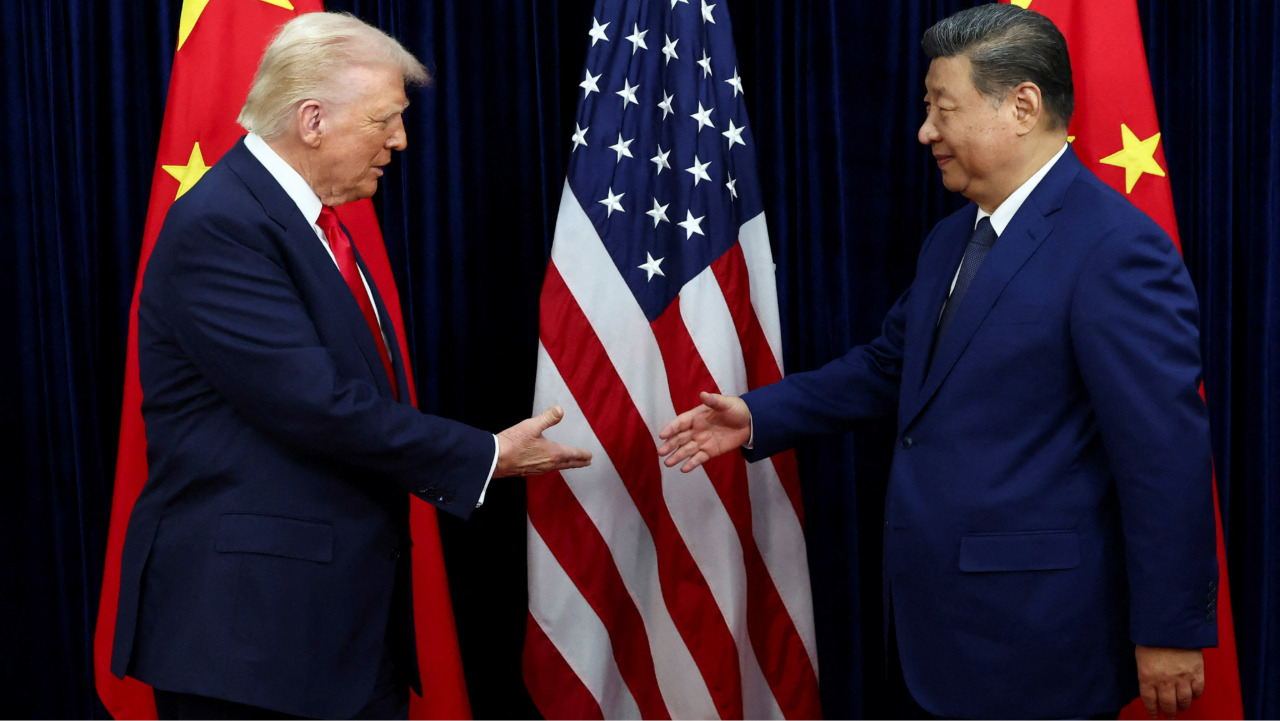
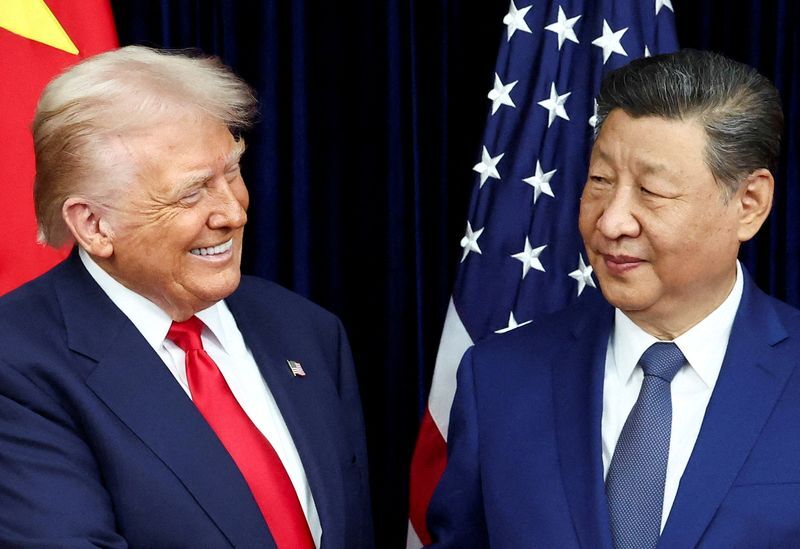
Trump and Xi to Meet in Beijing in May as Global Tensions Reshape U.S.–China Relations - The White House has confirmed that President Donald Trump will travel to Beijing on May 14–15 for a long‑anticipated summit with Chinese leader Xi Jinping — a meeting delayed by the U.S.–Israeli war on Iran and now viewed as a pivotal moment in an increasingly strained relationship between Washington and Beijing.

.
Lede
The White House has confirmed that President Donald Trump will travel to Beijing on May 14–15 for a long‑anticipated summit with Chinese leader Xi Jinping — a meeting delayed by the U.S.–Israeli war on Iran and now viewed as a pivotal moment in an increasingly strained relationship between Washington and Beijing.
A Meeting Months in the Making — and Delayed by War
According to the White House, the summit was originally planned for late March or early April but was postponed after Trump requested a delay due to the ongoing conflict involving Iran. Xi reportedly accepted the rescheduling without objection. CNBC
White House Press Secretary Karoline Leavitt announced that:
- Trump will meet Xi in Beijing on May 14–15
- First Lady Melania Trump will accompany him
- Xi and his wife Peng Liyuan will later make a reciprocal visit to Washington at a date still to be announced US News
This will be Trump’s first visit to China since 2017 and the leaders’ first in‑person meeting since October 2025. Telegraph India
What’s at Stake: A Relationship Under Pressure
The summit comes at a moment when U.S.–China relations are shaped by several overlapping crises:
1. The U.S.–Israeli war on Iran
The conflict has disrupted global oil markets and placed pressure on China, the world’s largest crude importer.
Trump has urged Beijing and other powers to help secure the Strait of Hormuz, a critical shipping route. Telegraph India
2. Trade tensions
Although the two sides reached a temporary trade truce in late 2025, unresolved disputes over tariffs, technology access, and supply‑chain security remain.
Analysts expect trade to be a central topic in Beijing. South China Morning Post
3. Taiwan
Taiwan remains one of the most sensitive flashpoints.
The South China Morning Post notes that the summit’s delay has raised questions about U.S. arms sales and regional stability. South China Morning Post
4. China’s domestic tightening
Beijing’s increasing authoritarianism — from digital surveillance to ideological control — continues to draw criticism from human‑rights advocates and spiritual groups such as Falun Dafa.
While not officially on the agenda, these issues form the backdrop of every high‑level U.S.–China exchange.
Why the Timing Matters
The new May date suggests the White House expects the Iran conflict to stabilize by mid‑spring.
Leavitt told reporters the administration had always estimated the war would last four to six weeks, implying the summit aligns with that timeline. CNBC
For Beijing, the delay was inconvenient but not catastrophic.
Chinese state media has framed the rescheduling as a sign of “mutual respect,” though analysts note growing frustration in Beijing over Washington’s unpredictability. South China Morning Post
What Each Side Wants
Washington’s goals
- Stabilize global markets amid the Iran conflict
- Push China to curb support for Iran
- Reassert U.S. leadership in Asia
- Seek progress on trade and supply‑chain security
Beijing’s goals
- Present China as a responsible global power
- Reduce economic pressure from U.S. tariffs
- Signal strength at home amid slowing growth
- Test Trump’s willingness to compromise
A Rare Moment of Diplomacy in a Tense Era
Despite deep disagreements, both governments appear to see value in face‑to‑face diplomacy.
The summit may not produce dramatic breakthroughs, but it will set the tone for U.S.–China relations in a year defined by war, economic uncertainty, and ideological confrontation.
For Taiwan, Japan, and other regional players, the meeting will be watched closely — not for symbolism, but for signs of how far Washington is willing to push back against Beijing’s ambitions.
.
Sources
- CNBC — White House confirms May 14–15 Beijing summit; delay due to Iran conflict CNBC
- South China Morning Post — Context on delay, trade tensions, Taiwan implications South China Morning Post
- US News (Reuters) — Official announcement, reciprocal visit, background on previous meetings US News
- Economic Times (Reuters) — Impact of Iran war, trade issues, and China’s oil dependence The Economic Times
- Telegraph India (Reuters) — Details on postponement, Strait of Hormuz pressure, diplomatic framing Telegraph India
.
What's Your Reaction?
 Like
0
Like
0
 Dislike
0
Dislike
0
 Love
0
Love
0
 Funny
0
Funny
0
 Wow
0
Wow
0
 Sad
0
Sad
0
 Angry
0
Angry
0











Comments (0)