

Transnational Repression Growing ‘Unchecked’ in UK, Parliamentary Report Warns


Joint Committee on Human Rights (JCHR) said in its report that foreign states, including Russia, China, and Iran, have targeted individuals in the UK using a range of tactics, such as surveillance, online harassment, police bounties, INTERPOL Red Notices, lawsuits, and assassinations.
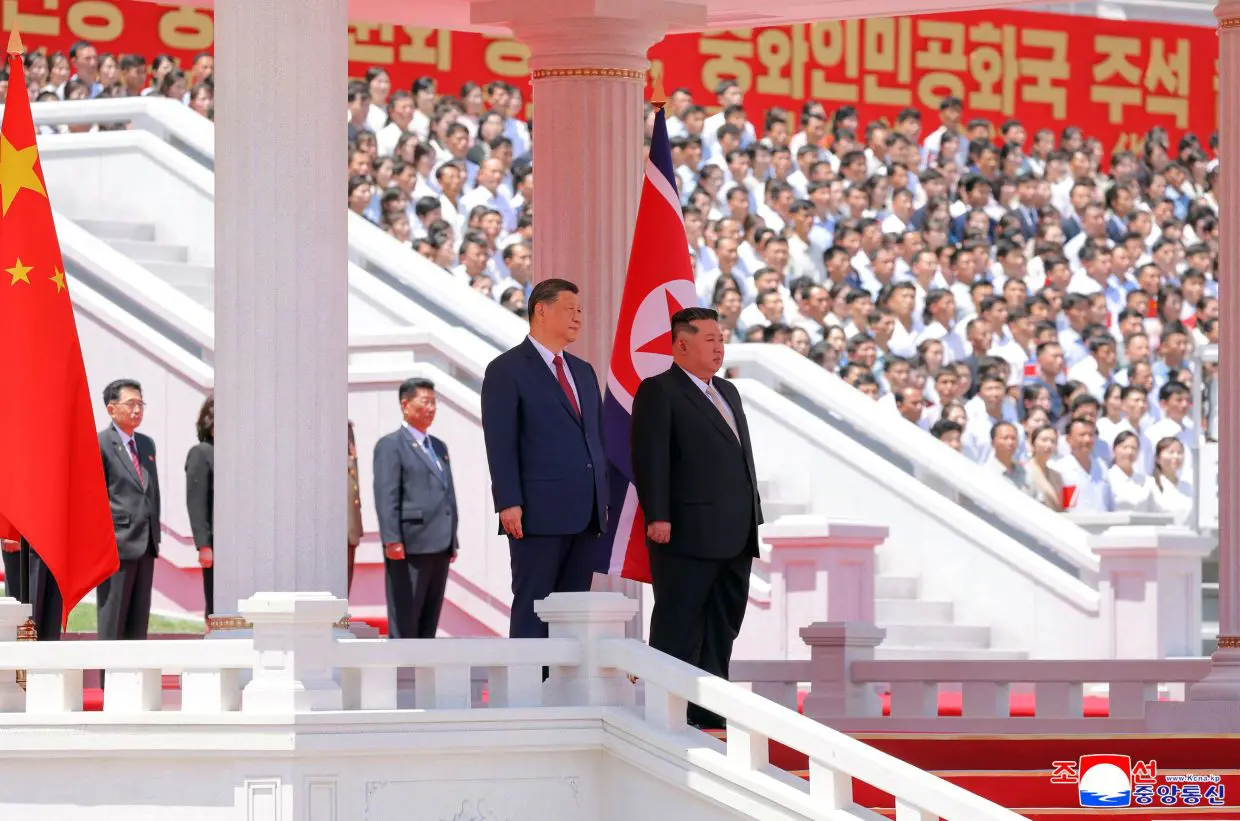
Among a dozen foreign states accused of conducting transnational repression (TNR) in the UK, the Chinese regime “conducts the most comprehensive TNR campaign of any foreign state operating in the UK,” according to the report.
The report accused the Chinese regime of being one of the “most prolific abusers of INTERPOL’s Notice system” alongside Russia and Turkey.
Bahrain, Egypt, Eritrea, India, Pakistan, Rwanda, Saudi Arabia, and the United Arab Emirates are also alleged perpetrators of TNR in the UK, the report said.
“This risks undermining the UK’s ability to protect the human rights of its citizens and those who have sought safety within its borders,” he said.
Bounties on Exiled HK Activists
Since Beijing imposed a national security law on Hong Kong, the former British colony has issued dozens of police warrants on exiled activists, including several UK residents, each has a bounty of HK$1 million ($127,000) on their head.She said she carries “lots of self-protection devices” with her and is immediately suspicious of any strangers trying to approach or befriend her.
She also said she had been “followed by two suspicious Chinese-ethnicity-looking men in January.”
.
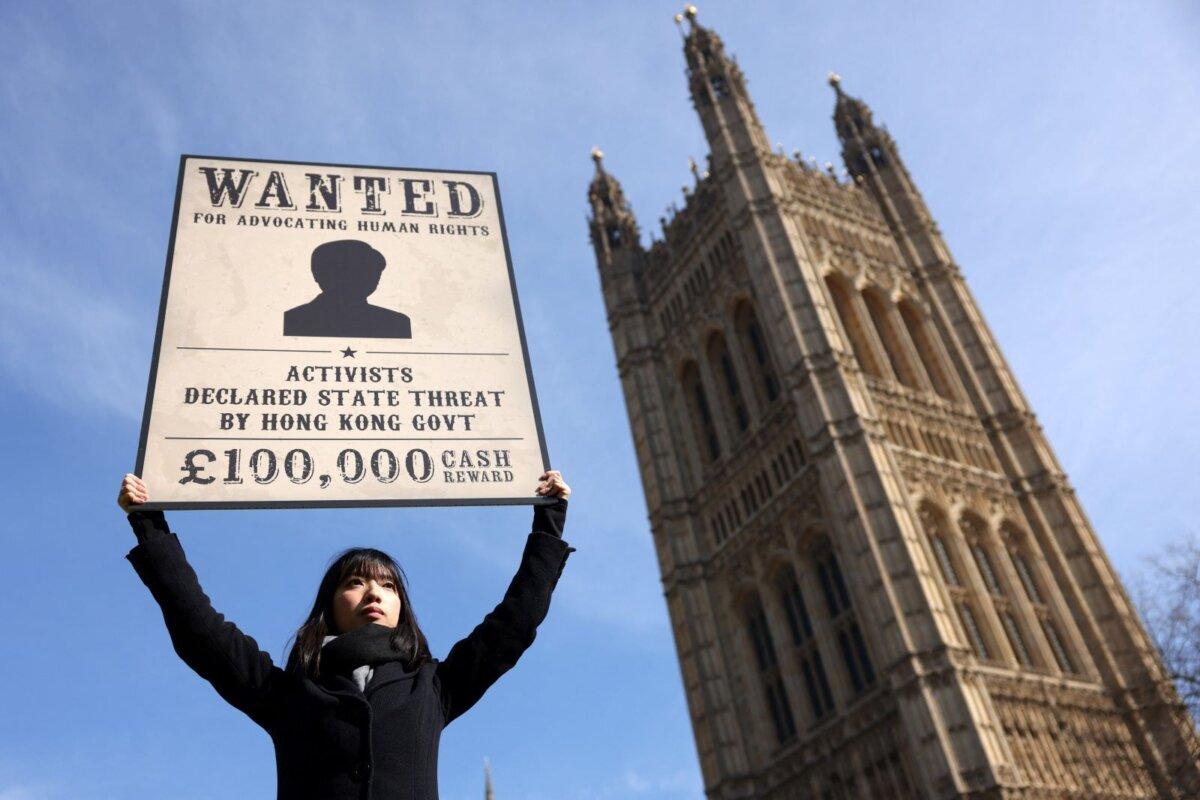
The JCHR said that some of the wanted Hong Kong activists’ neighbours allegedly received threatening letters.
The committee heard that the Chinese regime uses INTERPOL Notices to locate individuals, before pressuring them to return to China by threatening their families.
It also heard that Russia used INTERPOL Red Notices and strategic lawsuits to target journalists and activists, and that the Iranian regime devised most assassination plots.
Last month, Parliament’s Intelligence and Security Committee warned that Iran had attempted to kidnap or murder at least 15 UK-based people since 2022, while Russia has also targeted dissidents, including the attempt to kill Sergei and Yulia Skripal with Novichok in 2018.
Russia and Iran are under the enhanced tier of the UK’s Foreign Influence Registration Scheme (FIRS), which took effect this month. The Labour government has not placed China under the same tier, despite pressure from some lawmakers and campaigners.
Agents of a state under the enhanced tier are required to report almost all their activities carried out at the direction of the state, while agents of other countries only have to report activities aimed at influencing political decisions, elections, or government policy.
The JCHR urged the government to add China to the enhanced tier of FIRS.
“China conducts the most comprehensive TNR campaign of any foreign state operating in the UK. Its omission from the enhanced tier risks undermining the credibility and coherence of FIRS,” the report reads.
“Any attempt to specify only isolated parts of the Chinese state in the FIRS would fail to reflect the true nature and complexity of the threat, as influence operations span all sectors of the economy and lack clear command-and-control structures.”
In other recommendations, the committee urged the government to adopt a formal definition of TNR, collect data on TNR activities in the UK, and enhance training for police immigration officers. It also recommended the creation of a dedicated national reporting hotline, alerting individuals targeted by politically-motivated Red Notices, and the countering of TNR activities using the UK’s sanctioning powers and its influence at the United Nations.
.
“Any attempts by a foreign state to coerce, intimidate, harass, or harm individuals on UK soil are considered a threat to our national security and sovereignty, and will not be tolerated.”
The spokesperson said the JCHR report “echoes many of the same findings and recommendations” from a report published in May by the government’s Defending Democracy Taskforce, adding, “we are already taking action arising from those recommendations to further strengthen our response.”
An Interpol spokesperson said it has “robust processes for ensuring that all Interpol notices and diffusions comply with [its] rules.
“Our constitution forbids Interpol from undertaking activities of a political, military, religious, or racial character, and all our databases and activities must also comply with the universal declaration for human rights,” the spokesperson said.
What's Your Reaction?
 Like
0
Like
0
 Dislike
0
Dislike
0
 Love
0
Love
0
 Funny
0
Funny
0
 Wow
0
Wow
0
 Sad
0
Sad
0
 Angry
0
Angry
0













Comments (0)