.
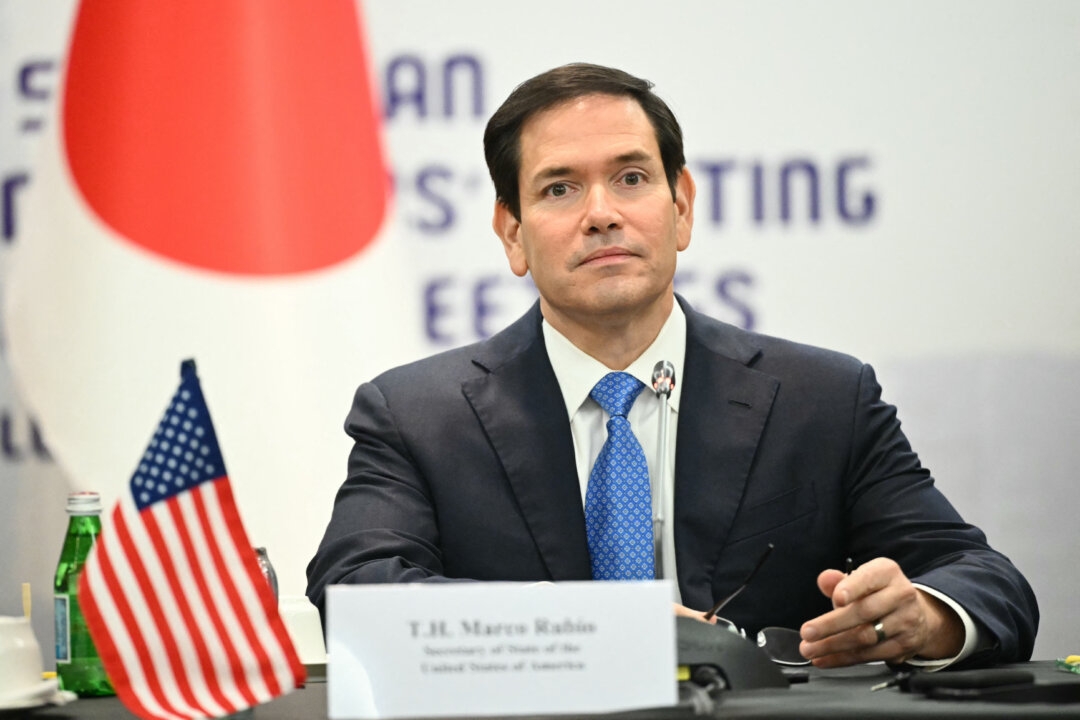
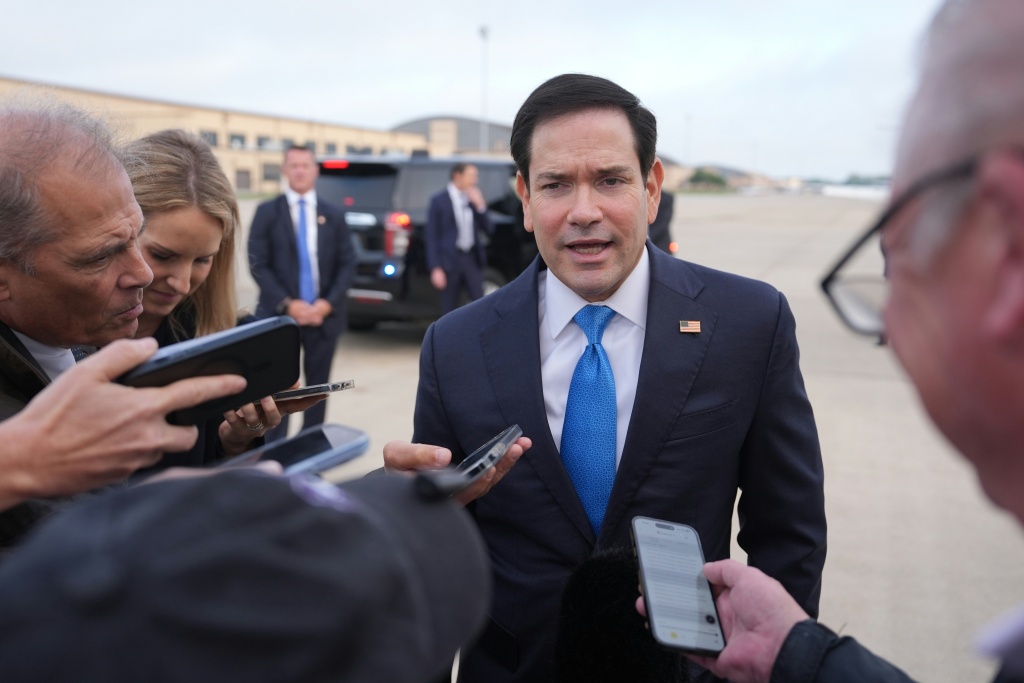
U.S. Secretary of State Marco Rubio spoke with his Chinese counterpart on Sept. 10, following up on their meeting in Malaysia in July.
“Secretary Rubio emphasized the importance of open and constructive communication on a range of bilateral issues,” State Department deputy spokesperson Tommy Pigott said in a
statement on Rubio’s phone call with Chinese Foreign Minister Wang Yi.
“They also discussed other global and regional issues as a continuation of the discussions in Kuala Lumpur.”
In July, Rubio
met Wang on the sidelines of the Association of Southeast Asian Nations (ASEAN) Regional Forum in Malaysia. At the time, Rubio said the odds of U.S. President Donald Trump meeting Chinese leader Xi Jinping were high, but he added that no date had been set.
China’s foreign ministry characterized the phone call between Rubio and Wang as “timely, necessary, and fruitful,” according to a statement.
Wang accused the United States of engaging in “negative words and actions” recently, which he said were damaging to China’s interests and harmful to bilateral relations, during his conversation with Rubio, according to the ministry readout.
Additionally, Wang urged the United States to “exercise caution in words and actions” on issues involving China’s “core interests,” such as Taiwan.
China’s communist regime views Taiwan as part of its territory and opposes any official interactions between Taipei and foreign governments or international organizations.
In late August, Sen. Roger Wicker (R-Miss.), chairman of the Senate Armed Services Committee, and Sen. Deb Fischer (R-Neb.), who serves on the panel, visited Taiwan and met with Taiwanese President Lai Ching-te.
In a
weekly report published on Sept. 8, Wicker emphasized the importance of Taiwan remaining free and that the United States continues to support Taiwan with defensive military equipment under the Taiwan Relations Act.
“A free Taiwan helps reassure the free nations of the Pacific and helps support American defense forces stationed there,” Wicker wrote.
“If China were to attack Taiwan and the United States failed to defend the island, those nations would likely feel less eager to house American military assets. Ultimately, our forces might have to retreat as far east as Hawaii or Guam, making our homeland more vulnerable.”
The U.S. State Department
unveiled on Sept. 4 a new visa restriction policy against Central American nationals under the influence of Beijing, stating that some individuals had engaged in activities that “undermine the rule of law” in the region.
“The United States is committed to countering China’s corrupt influence in Central America and stop its attempts to subvert rule of law,” Rubio
said in a statement announcing the policy.
.
The House of Representatives
passed the Stop Chinese Fentanyl Act by a 407–4 vote on Sept. 2. The legislation, introduced by Rep. Andy Barr (R-Ky.), would empower the U.S. government to impose sanctions on Chinese individuals and entities involved in producing, selling, financing, or transporting synthetic opioids or their precursor chemicals.
.
On Sept. 3, the U.S. Department of Justice
announced the indictment of three Americans, 22 Chinese nationals, and four Chinese companies for allegedly facilitating the flow of illicit cutting agents from China that are mixed with fentanyl. The U.S. Treasury Department simultaneously imposed sanctions on two of the defendants and one of the Chinese companies.
.
Separately, U.S. Secretary of Defense Pete Hegseth
spoke to Chinese Defense Minister Dong Jun on Sept. 9. According to the Pentagon, Hegseth told Dong that the United States will “resolutely protect” its interests in the Indo-Pacific.
.