

China’s Anti‑Corruption Drive Swells Detention Facilities
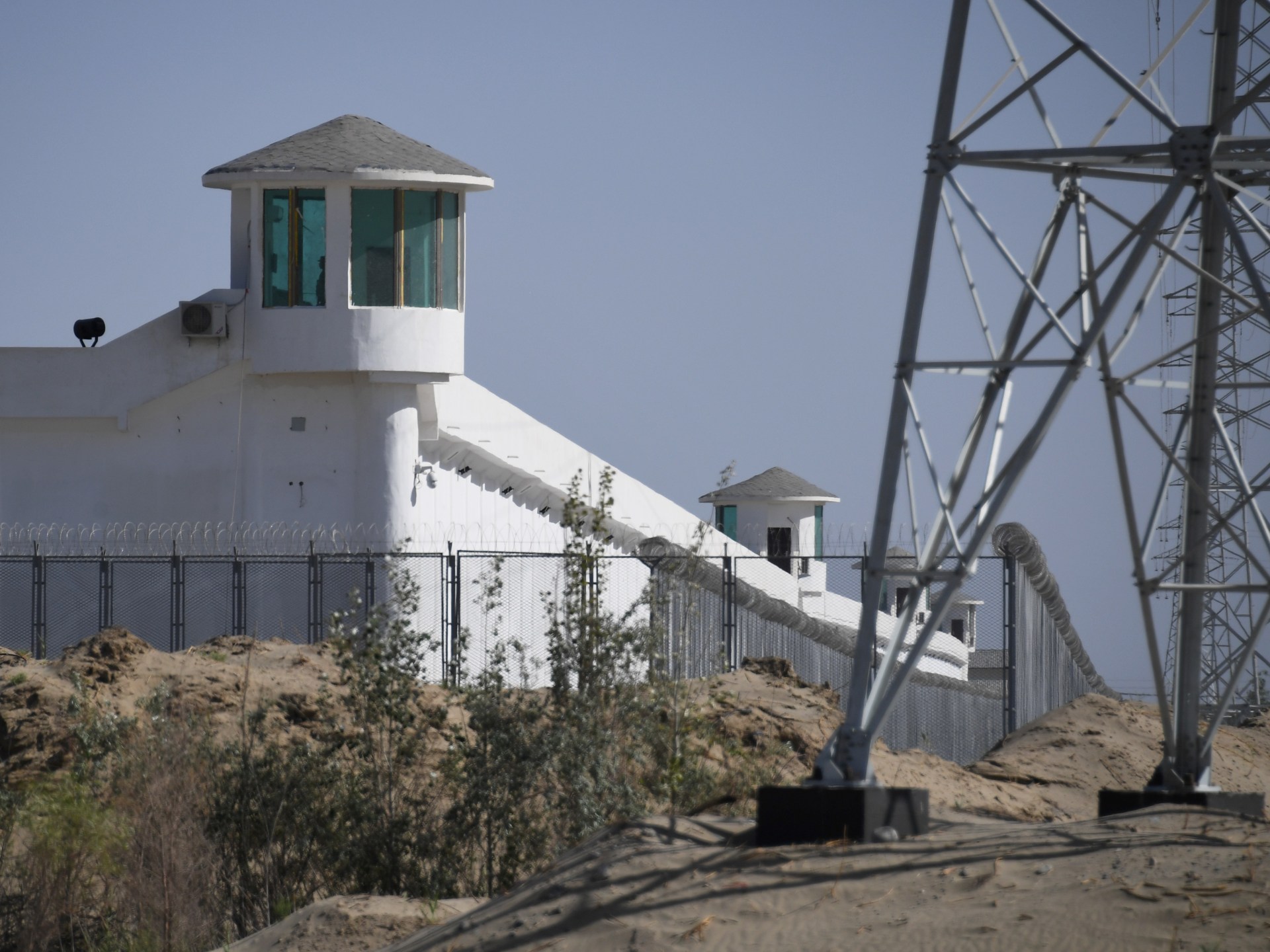
China’s Anti‑Corruption Drive Swells Detention Facilities - China’s latest anti‑corruption campaign has led to a marked increase in the number of officials held in detention centers across multiple provinces, according to sources with knowledge of internal legal and political processes. The wave of arrests and expedited prosecutions has affected both serving and retired officials, and observers say the pattern points to a broader, more aggressive enforcement phase.

.
China’s Anti‑Corruption Drive Swells Detention Facilities
China’s latest anti‑corruption campaign has led to a marked increase in the number of officials held in detention centers across multiple provinces, according to sources with knowledge of internal legal and political processes. The wave of arrests and expedited prosecutions has affected both serving and retired officials, and observers say the pattern points to a broader, more aggressive enforcement phase.
Scope and Speed of the Campaign
What is happening now
Authorities have reportedly intensified investigations since late 2025, expanding probes into sectors such as finance, energy, infrastructure, and state‑owned enterprises. Detainees include mid‑ and high‑level bureaucrats as well as senior executives from state firms. Sources describe a process in which suspects are held in detention, moved through accelerated legal procedures, and then transferred to prisons in groups.
How quickly cases are processed
Legal practitioners and insiders say case timelines have shortened substantially. Where bribery and corruption cases once took a year or more to resolve, some now move from arrest to sentencing within eight to nine months. Observers note that many defendants do not pursue appeals, raising questions about the transparency and voluntariness of confessions and plea outcomes.
Who Is Being Targeted
Retired officials and influence networks
A notable feature of the current campaign is its focus on retired officials who continue to wield influence or control assets. Investigators appear to be revisiting past conduct in what some sources call a “retroactive” sweep, bringing long‑retired figures back under scrutiny. This shift has increased the number of former officials held in detention facilities.
Breadth across levels
While high‑profile figures attract attention, the campaign also extends to grassroots levels. Police and investigative resources have reportedly been redirected toward economic crimes and the associates of suspected officials, which has delayed some ordinary criminal investigations.
Motives and Implications
Political and fiscal drivers
Analysts and sources inside China suggest the campaign serves multiple objectives. One is political: to reassess loyalty and remove officials deemed unreliable. Another is fiscal: confiscation of assets tied to corruption can relieve budgetary pressures and reallocate resources. Together, these motives indicate the campaign is as much about consolidating control and financial oversight as it is about discipline.
Impact on the justice system
The influx of politically sensitive detainees has altered the composition of detention centers and prisons, according to insiders. Observers warn that fast‑tracked procedures and limited appeals could undermine legal safeguards and raise concerns about due process for those accused.
Local Reports and Legal Perspectives
Voices on the ground
Local lawyers and former civil servants report that detention centers in several provinces now hold a higher proportion of corruption suspects than ordinary criminals. Legal professionals handling such cases describe inconsistencies in how confessions and case files are produced, and they note a general acceleration in case handling that leaves little room for extended defense work.
What to watch next
Key indicators to monitor include whether prosecutions continue to target retired officials at scale, whether asset recovery becomes a central stated objective, and whether legal procedures remain compressed. Changes in any of these areas will shape assessments of whether the campaign is primarily disciplinary, political, or fiscal in intent.
Sources
Original reporting used for this article:
https://www.theepochtimes.com/china/chinas-anti-corruption-crackdown-fills-detention-centers-with-officials-6001982.
What's Your Reaction?
 Like
0
Like
0
 Dislike
0
Dislike
0
 Love
0
Love
0
 Funny
0
Funny
0
 Wow
0
Wow
0
 Sad
0
Sad
0
 Angry
0
Angry
0














Comments (0)