

A 20-Year Sentence for Jimmy Lai: A Death Sentence for Hong Kong’s Freedoms


.
On Feb. 9—Monday morning in Hong Kong—a national security court delivered one of the most severe and symbolic judgments in the city’s modern history: a 20-year prison sentence for 78-year-old media founder and democracy advocate Jimmy Lai.
To millions of Hongkongers—both in the city and throughout the global diaspora—this sentencing feels like a death sentence in all practical terms. It also represents the final burial of freedoms once protected under “One Country, Two Systems”: freedom of the press, freedom of expression, and freedom of conscience.
A Death Sentence That Shatters the Promise of Hong Kong
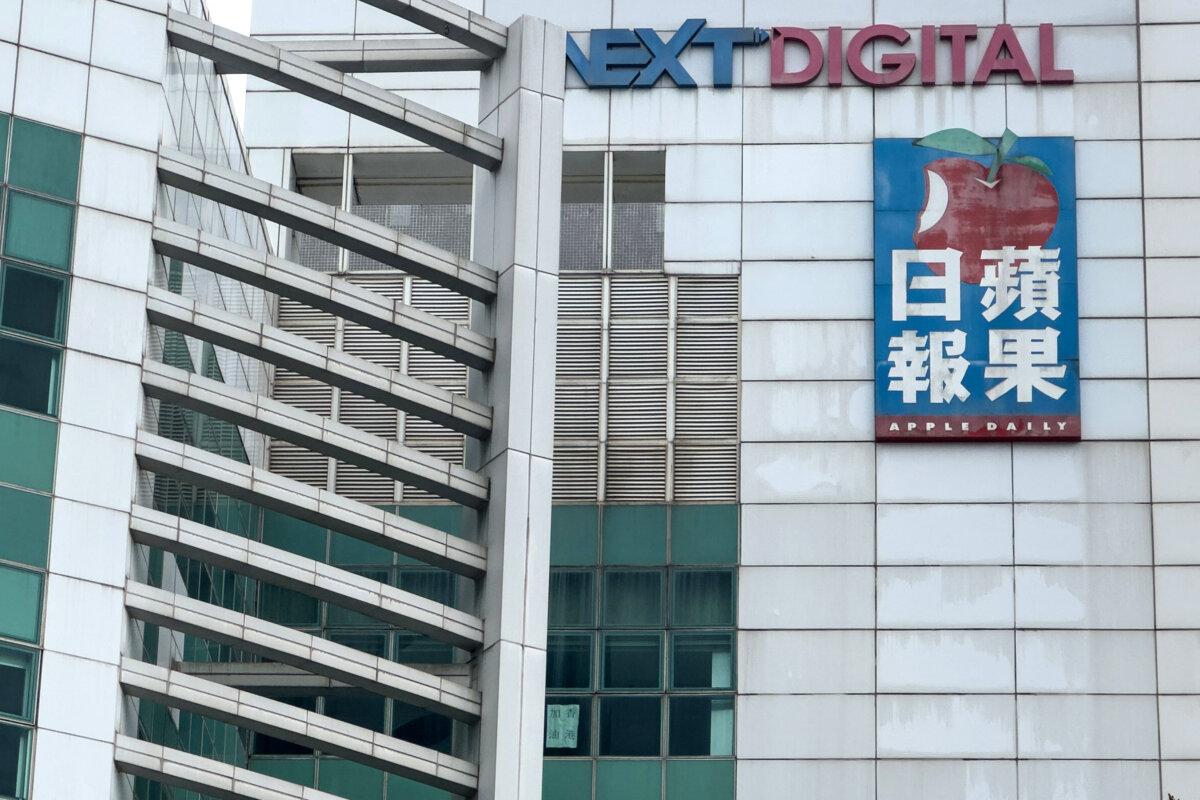
A 20-year prison sentence means Lai would be 98 at release. The message is unmistakable: this is not rehabilitation—it is obliteration. For decades, Lai represented the conscience of Hong Kong. He used the power of the press to speak truth to authority; he stood publicly for democratic rights and an open society; he refused to be intimidated into silence; and he embodied the belief that Hong Kong deserved a voice.Through the now-defunct Apple Daily, he built one of the most influential and accessible platforms for investigative journalism and freedom of information. This was integral to the Sino–British Joint Declaration—the promise that Hong Kong’s way of life, including its civil liberties, would remain unchanged.
That promise is now gone. The 20-year sentence confirms its death. The message from the national security court is brutally clear:
The Jimmy Lai I Have Known Since 1991
I first met Lai in 1991, four years before he founded Apple Daily. At that time, he had just launched Next Magazine in 1990—a publication that revolutionized Hong Kong’s media landscape with its candid reporting, fearless editorials, and bold design. He saw clearly that Hong Kong needed a media outlet that could challenge power, inspire public debate, and defend civil liberties.What many today may forget is that before becoming a media titan, Lai was an enormously successful garment entrepreneur. His company, Giordano, was a leader in the retail industry. But the 1989 Tiananmen Square massacre changed everything for him. After witnessing the brutal suppression of students and civilians demanding democracy, Lai made an irreversible decision:
He chose conscience over comfort. He risked—and eventually lost—his entire business empire because he refused to stay silent. He poured 100 percent of his energy, wealth, and future into media work.
He built Next Magazine into a massive success and, from that foundation, created Apple Daily, which became one of Hong Kong’s most influential pro-democracy newspapers. It was not luck—it was vision, courage, and sacrifice. And when the Hong Kong authorities shut down Apple Daily and froze its assets, they did something unprecedented: they used every legal and political tool available to crush a publicly listed company—a company majority-owned by Lai.
This will forever remain a dark stain on Hong Kong’s history: the state’s decision to dismantle an entire media organization through brute force and bureaucratic repression—simply because it dared to speak truth.
.
Global Leaders Respond—and the Stakes Become Clearer
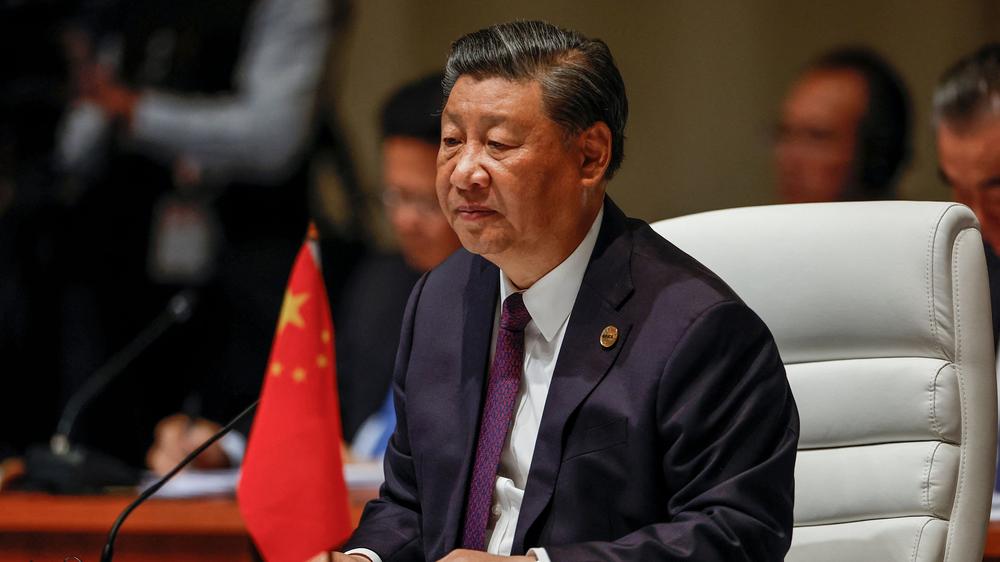
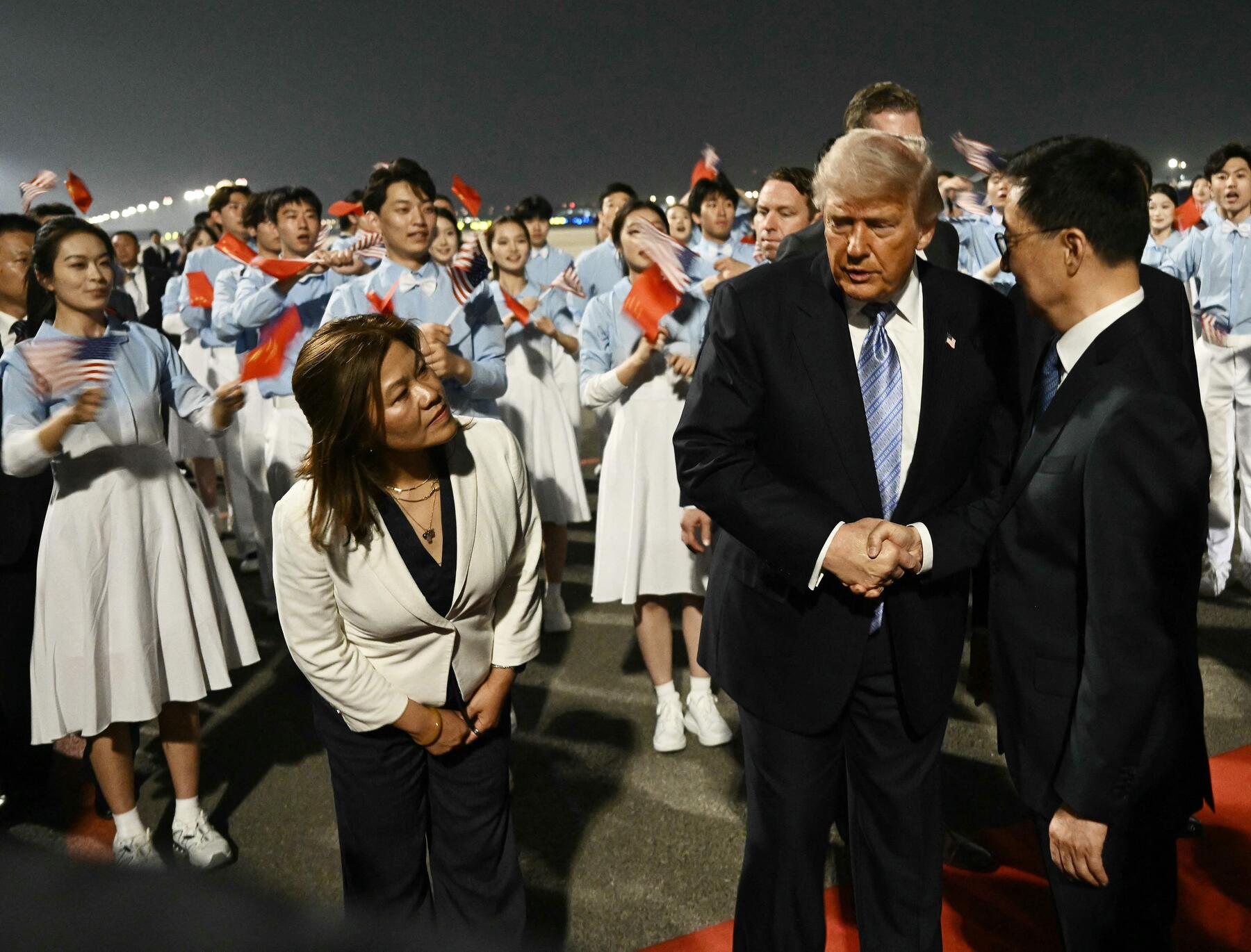
Political leaders around the world have long noted Lai’s case, often cautiously. In the United Kingdom, Prime Minister Keir Starmer told Parliament that he raised Lai’s plight with Chinese leader Xi Jinping, though his language was diplomatically vague.In the United States, Donald Trump, now serving again as U.S. president, has publicly said he discussed Lai’s release with Xi. Trump’s proposed April visit to Beijing has intensified attention. Many Hongkongers quietly acknowledge: We need a miracle.
Meanwhile, U.S. Secretary of State Marco Rubio issued the strongest statement yet:
“The Hong Kong High Court’s decision to sentence Jimmy Lai to 20 years is an unjust and tragic conclusion … Beijing will go to extraordinary lengths to silence those who advocate fundamental freedoms in Hong Kong … Mr. Lai and his family have suffered enough. The United States urges the authorities to grant Mr. Lai humanitarian parole.”
What the World—and the Hong Kong Diaspora—Must Do Now
Lai’s sentencing must not be the end of international concern. It must be the beginning of global responsibility.The World Must Reject Complacency
Democracies must speak with moral clarity; raise Lai’s case in diplomacy and trade; invoke the Joint Declaration—the 1984 Sino–British treaty, registered with the United Nations, in which Beijing guaranteed that Hong Kong would enjoy freedom of speech, freedom of the press, an independent judiciary, and a high degree of autonomy for 50 years after 1997 under the “One Country, Two Systems” framework; protect Hongkongers abroad; support political prisoners’ families; demand humanitarian parole; and, above all, challenge Beijing’s narrative. Authoritarianism thrives on silence. The world must refuse to remain silent.The Hong Kong Diaspora Must Not Forget
Millions of Hongkongers now live abroad. We carry Hong Kong’s history, conscience, and hopes. We must preserve the truth about Hong Kong; keep Lai’s story alive; support the families of political prisoners; build communities of memory; pass on Hong Kong’s values to our children; and pray, write, speak, and advocate. Beijing wants the diaspora to forget. We must ensure the world remembers.Jimmy Lai May Become a Martyr—But Not in Vain
Beyond politics and geopolitics lies something deeper: Lai’s spiritual testimony. As a devout Catholic, he accepted imprisonment with conviction, not fear. His courage is rooted not in ideology but in faith. A 20-year sentence at age 78 may indeed lead to martyrdom. But martyrdom is not the end of a story—it is the beginning of a testimony. If Lai dies in prison, he will die as a man who refused to bow to tyranny, refused to abandon Hong Kong, refused to betray his conscience, and refused to renounce his faith.His suffering becomes a lighthouse for a city in darkness. His faith becomes Hong Kong’s last beacon of dignity. His life—and possibly his martyrdom—becomes a moral compass for the world.
Earthly courts can imprison the body, but they cannot imprison the soul. Lai’s legacy will not die behind prison walls. It will live on in every Hongkonger who remembers, stands, speaks, and refuses to give up hope.
What's Your Reaction?
 Like
0
Like
0
 Dislike
0
Dislike
0
 Love
0
Love
0
 Funny
0
Funny
0
 Wow
0
Wow
0
 Sad
0
Sad
0
 Angry
0
Angry
0












Comments (0)