

Iran’s disruption of Hormuz: the strategic problem
Iran’s disruption of Hormuz: the strategic problem - Summary: This article explains U.S. policy options to break Iran’s control over oil flows through the Strait of Hormuz and outlines military, economic, and diplomatic measures the United States could pursue as of 22 March 2026. Key facts and dates are drawn from contemporary reporting and are cited below.

.
Iran’s disruption of Hormuz: the strategic problem
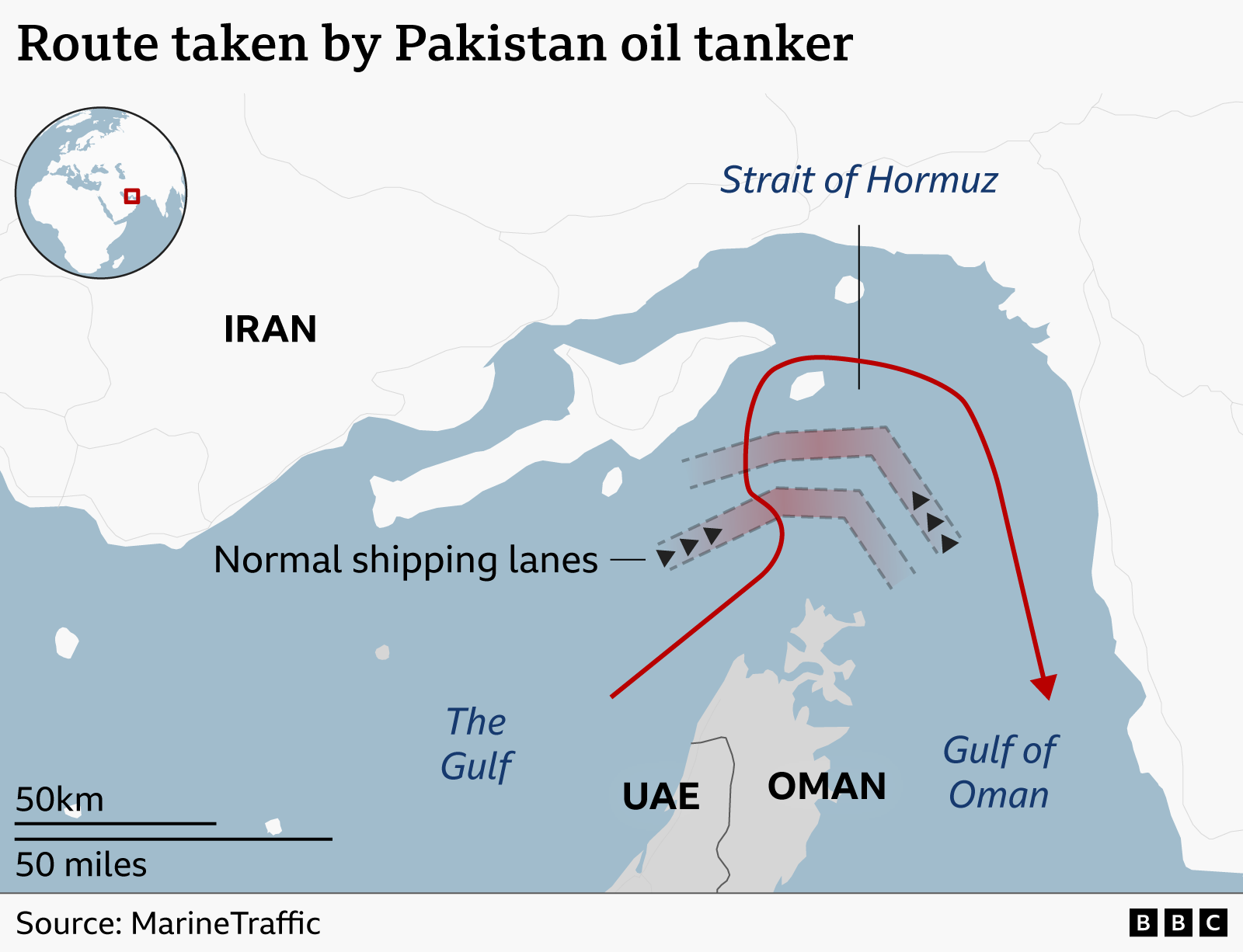
Iran’s recent attacks and mining of the Strait of Hormuz have sharply reduced safe passage for commercial shipping, leaving roughly 1,000 vessels stranded in the Persian Gulf and threatening the export routes of major Gulf producers. About 20 percent of global oil trade transits the strait, so disruptions have immediate global market effects, including higher pump prices.
U.S. responses so far
Washington has taken kinetic steps to degrade Iranian coastal strike capabilities, including strikes on hardened missile sites, and has sought to assemble a multinational naval effort to protect shipping. A coalition of seven U.S. partners agreed to assist in maritime security operations.
Policy options to end Iran’s chokehold
Military containment and targeted seizures
- Seize or neutralize key Iranian facilities that enable the chokehold, notably infrastructure on Kharg Island, which handles a large share of Iran’s oil exports. Proponents argue control of such nodes would blunt Tehran’s leverage.
Economic measures and reparations
- Tax or seize Iranian-flagged vessels that benefit from negotiated transits, using legal and financial mechanisms to offset allied defense costs and compensate victims of Iranian aggression. This approach frames maritime control as an economic as well as security issue.
Coalition diplomacy and selective partnerships
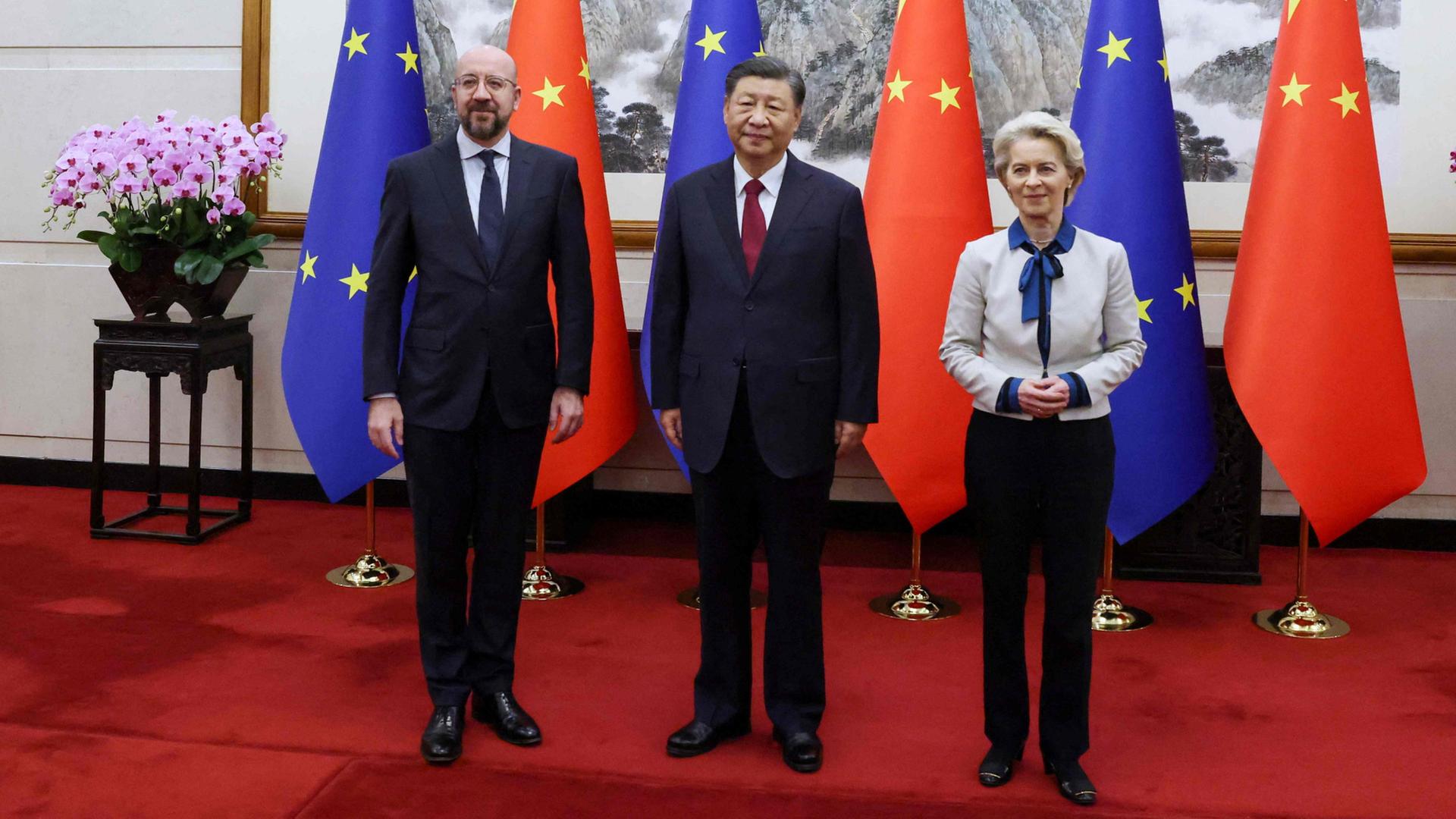
- Build a broad, democratic coalition to secure shipping lanes while avoiding reliance on states that have historically aided Iran’s military programs. The argument favors excluding powers whose involvement could complicate intelligence and operational security.
Leverage and long-term strategy
- Use control over oil flows as strategic leverage to influence major purchasers of Iranian oil, with the aim of pressuring political change and reducing Tehran’s capacity for regional coercion. Advocates see this as part of a broader effort to promote human rights and democratic reforms in Iran.
Risks and constraints
- Escalation risk: Direct seizures or occupation of Iranian territory could trigger wider conflict.
- Legal and diplomatic hurdles: Seizing ships or taxing oil raises complex international-law questions and could alienate neutral states.
- Operational complexity: Sustained control of chokepoints requires long-term naval presence and logistics.
Conclusion
A combination of targeted military action, economic penalties, and a disciplined diplomatic coalition offers the most viable path to ending Iran’s effective chokehold on Hormuz while managing escalation risks. Any plan must weigh immediate security gains against legal, political, and humanitarian consequences.
Sources
- Anders Corr, “How the US Can End Iran’s Oil Chokehold,” The Epoch Times, 22 March 2026.
What's Your Reaction?
 Like
0
Like
0
 Dislike
0
Dislike
0
 Love
0
Love
0
 Funny
0
Funny
0
 Wow
0
Wow
0
 Sad
0
Sad
0
 Angry
0
Angry
0












Comments (0)