

8 Things to Know About Herbs Before Using Them

.
Only five countries in the world have largely abandoned herbal medicine: the United States, Canada, the UK, Australia, and New Zealand. For the other 195 nations, plant-based remedies remain the primary form of health care, and their populations are often healthier for it.
Herbal medicines have been used since the dawn of time—knowledge about them passed down through oral traditions long before the written word. As interest in natural health grows among Americans who haven’t inherited traditional herbal knowledge, understanding how to use herbs safely has become essential.
1. Herbs Treat the Person, Not the Disease
Conventional medicine is primarily focused on diseases and interventions, aiming to identify a specific pathology, isolate the underlying mechanism, and administer a specific treatment—most commonly via medications and procedures.By contrast, herbal medicine focuses on systems, their synergistic interactions, and how they affect the whole person. Instead of targeting a single symptom, organ, or pathway, herbal medicine supports the body’s innate healing capabilities, restoring balance and equilibrium to the unified whole. Conventional medicine uses a more targeted approach, whereas herbal medicine is broader and more holistic.
“Around the world, there are these great herbal traditions that have been in existence for up to 3500 years,” David Winston, an herbalist, ethnobotanist, and expert in Chinese, Western, and Southeastern American herbal traditions, told The Epoch Times. “And their focus is looking at the individual, not the disease, and trying to understand the underlying patterns so that you are much more effective in what you do.”
A person-centered approach means that two people with the same diagnosis might receive entirely different herbal treatments based on their unique constitutions and circumstances.
.

2. Herbs Can Be Foods, Medicines, and Poisons
Winston offered a helpful framework for understanding herbs and what they do, which came from his aunt Edna, who was also one of his teachers. The framework provides clear guidance on how to approach different plants.Herbs can affect people—and animals—in one of three ways: as food, medicine, or poison, he said.
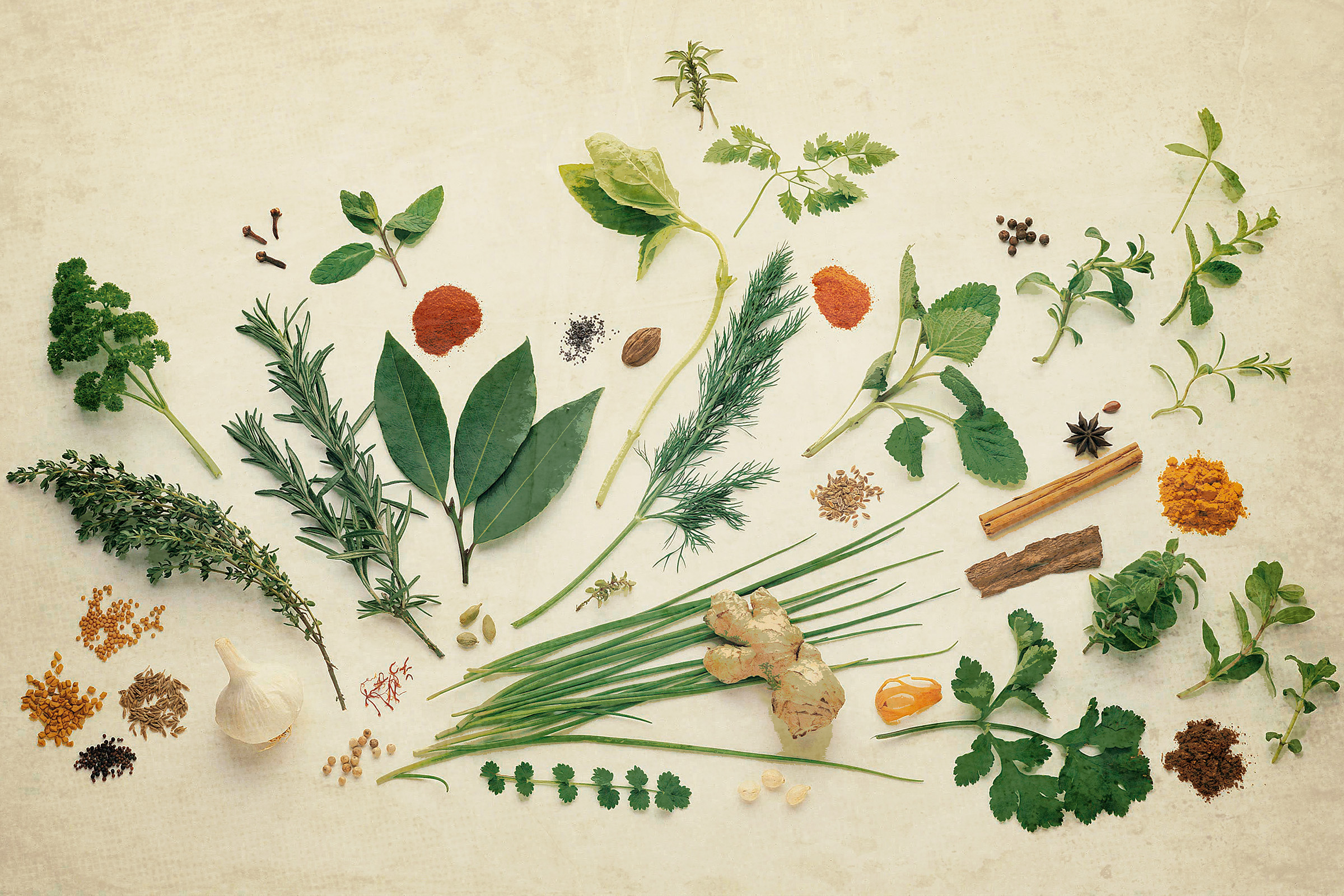
Food herbs are things that we eat or add to our foods to enhance flavor, add a little heat, or give it a nutritional boost. Winston gave examples such as garlic and ginger. Herbs in this category also include mild, gentle ones such as chamomile, spearmint, peppermint, and lemon balm, which can be added to foods and make wonderful teas, he said. Food herbs are generally safe and can be taken in reasonable quantities.
Medicines, or medicinal herbs, are stronger and should be used with a bit more knowledge and know-how. Medicinal herbs are used for a target reason and for a specific amount of time—and then you stop taking them, Winston noted. Examples include golden seal, yellow dock, and senna.
One of the ways herbs differ from many pharmaceuticals is that they work to rebalance the body as a whole, and once balance is achieved, the body maintains it on its own. “You don’t just keep taking them [herbs] all the time because they’re, quote, unquote, ‘good for you,’” Winston said. “There’s a reason to take them, and you take them as long as that reason persists.”
3. Herb Dosage and Quality Are Essential
An important factor in using herbs is choosing appropriate dosages and high-quality herbs, since they are not standardized like pharmaceuticals are.
The types of herbs available to consumers at the indicated doses are very unlikely to cause problems or deliver side effects, Karta Purkh Singh Khalsa, who specializes in Ayurvedic, Western, and traditional Chinese herbs, told The Epoch Times.
He characterizes the risks.
“It’s not zero, but it’s close to zero,” he said. “It’s much more likely that they’re not going to have results because they’ve chosen the wrong herb, poor quality, or taken the wrong dose,” he added.
The dosage gap between different herbs can also be surprising. Khalsa, who spent 30 years as a senior research scientist and chief medical formulator for Yogi Tea, said that the average dose in a tea bag is two grams, and that the therapeutic dose for many herbs is 30 grams—equal to 15 teabags.
Sticking to the recommended dose, whether from your herbalist or the one on the package, is important, and the dose can vary based on factors such as a person’s age, weight, and level of frailty, Winston said. “Especially in the fragile elderly, your doses become much lower.”
4. Natural Doesn’t Necessarily Mean Safe
People have some “interesting misperceptions” about herbs, Winston said. The first being that because herbs are natural, people tend to assume they’re safe.Problems with herbs usually arise when they are not properly identified, not dosed correctly, used for too long, of poor quality, or react to medications.
5. Preparation Methods Matter
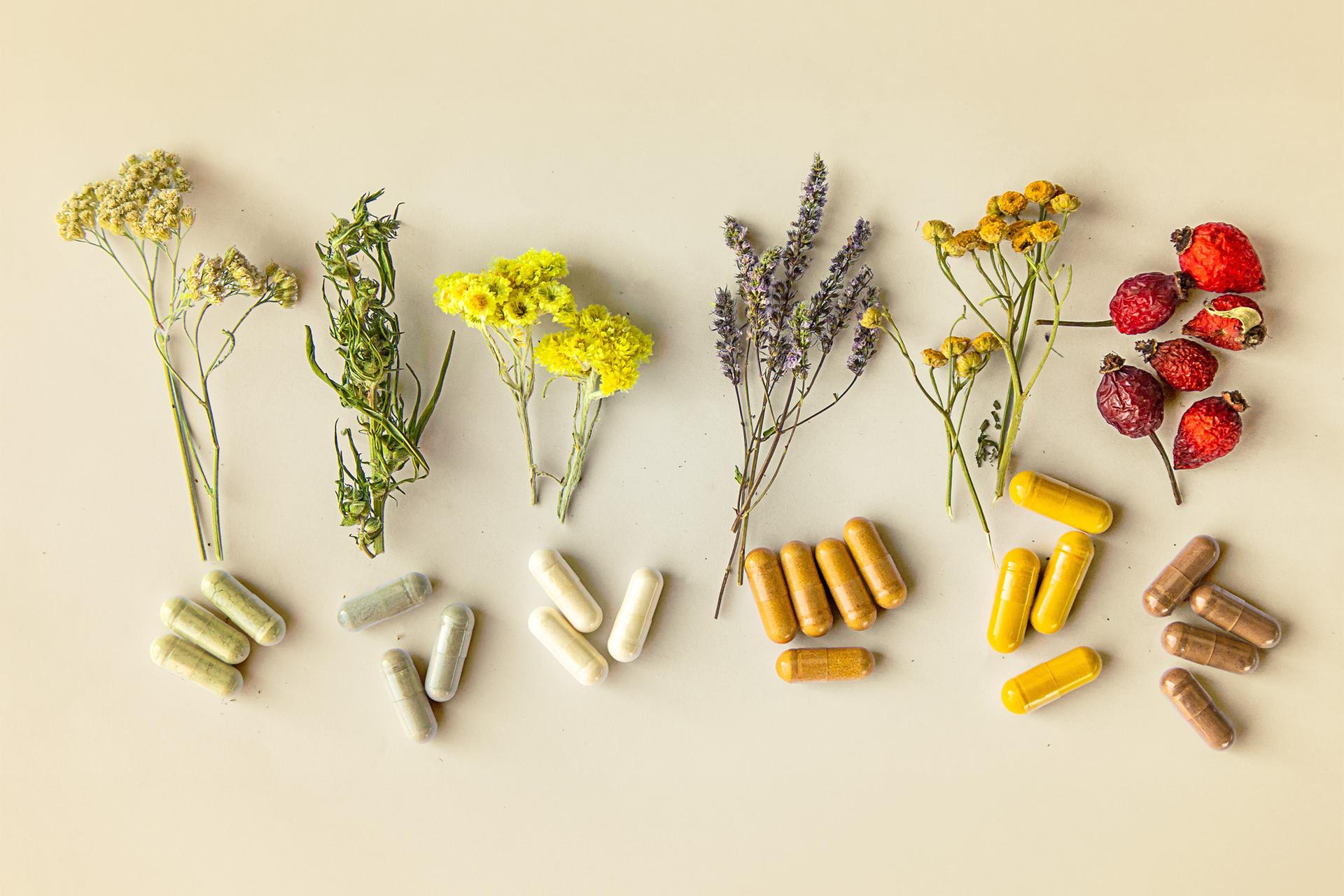
Herbs can be prepared in a variety of ways, and the method you choose will depend on multiple factors, including the specific herb you are using, the part of the plant it comes from, the condition you are treating, and whether your remedy will be used internally or externally.Tinctures offer a more concentrated way to take herbs internally. They are easily absorbed and ideal for a quick immune boost, to help us sleep, or to dull the pain of a long day of physical work.
.
6. You May Experience Idiosyncratic Reactions and Allergies
Sometimes, herbs and medications can produce the opposite of a desired effect. These are called idiosyncratic reactions—something long-time herbalist Geo Derick Giordano often sees in her practice. “They take a drug to put them to sleep, but it makes them stimulated, or they take something to calm them down, and it winds them up,” she said.Idiosyncratic reactions are unpredictable and can occur in anyone in response to herbs or pharmaceuticals.
7. Polypharmacy Has Become Common
Registered herbalist Feather Jones recently had a client who was taking a combination of 40 different products, most of which were pharmaceuticals. This included medications for ailments she no longer had, others for treating side effects of medications she was already on, supplements that she had been doubling up on, and herbs she had read about and added to her regimen.“So we had to go through everything, and she ended up cutting out about two-thirds of everything she was doing eventually—but it took six months,” Jones told The Epoch Times.
Polypharmacy—taking many medications, supplements, herbs, or over-the-counter products at once—has become commonplace. It often involves taking five or more products simultaneously, and can increase the risk of side effects and drug interactions. The condition is particularly prevalent in older adults who may have multiple, complex chronic conditions that require medication.
Polypharmacy can happen when you are seeing multiple health care providers who are not aware of all of your prescribed medications, supplements, herbs, or over-the-counter products and how they might interact.
8. Not Every Expert Is Trained to Prescribe Herbs Correctly
If you’re not accustomed to using herbs, getting the right information is crucial. Thankfully, there are a number of reputable herbal resources available to help you learn about herbal medicine. However, finding them can be a challenge in a sea of information.“I’ve been training professionals for 50 years, and there’s an army of people out there that know what they’re doing, but their voice just isn’t getting heard through the noise,” Khalsa said.
If you are interested in using herbs to treat medical conditions or are taking medications, ensure you work with a qualified professional. For clinical herbalists, herbal medicine is their main therapeutic tool. Other professionals, such as traditional Chinese medicine or Ayurvedic practitioners, learn herbal medicine in depth and combine it with modalities such as acupuncture, nutritional therapy, massage, and lifestyle therapies.
Final Thoughts
Since humans first walked the earth, plants have been powerful allies. We depend on them for the air we breathe, the food we eat, and the soil beneath our feet. They offer extraordinary healing when used with knowledge and respect.Although many of us have forgotten this connection, it is worth our while to reconnect with the plants we depend on for our survival, as they enrich our lives in incalculable ways, and have the power to heal us—mind, body, and spirit.
.
What's Your Reaction?
 Like
0
Like
0
 Dislike
0
Dislike
0
 Love
0
Love
0
 Funny
0
Funny
0
 Wow
0
Wow
0
 Sad
0
Sad
0
 Angry
0
Angry
0














Comments (0)