

US Senators Introduce Bill to Prevent Export of Nvidia’s Advanced Chips to China


.
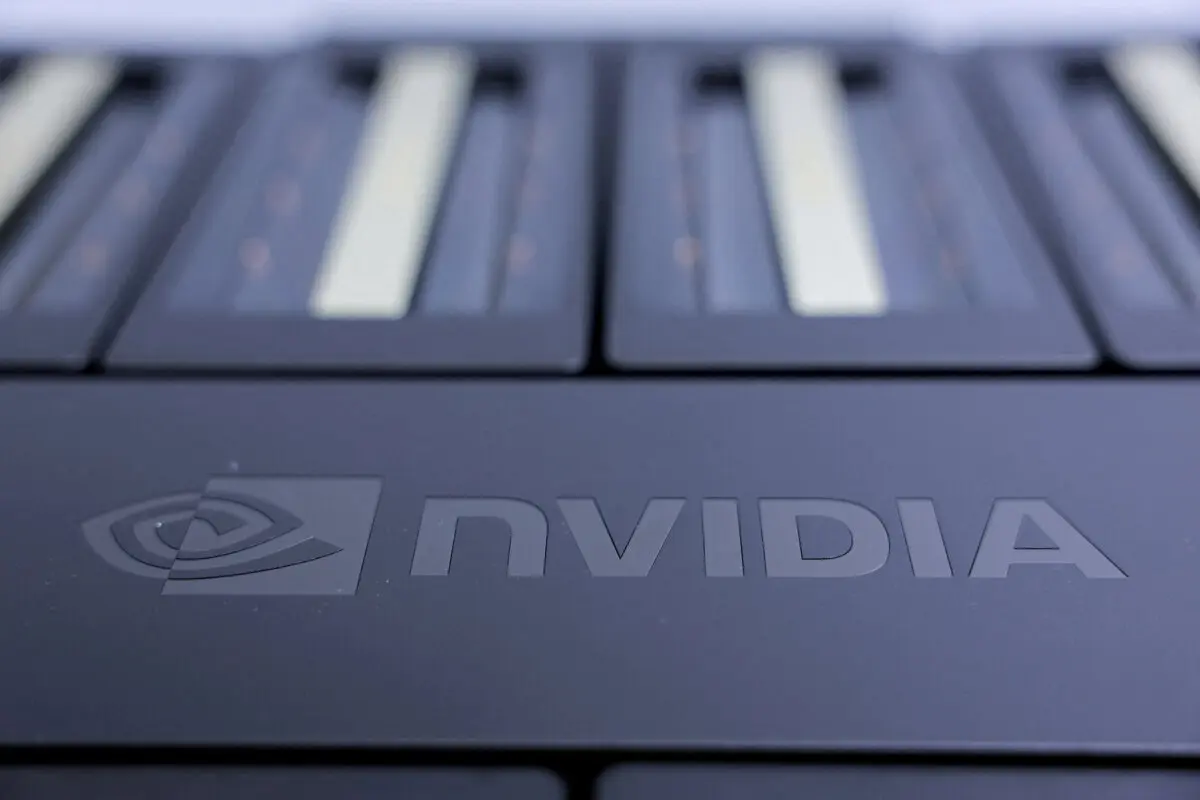
A bipartisan group of senators on Dec. 4 introduced a bill to codify existing U.S. restrictions on exports of Nvidia’s advanced AI chips to China and other countries designated as foreign adversaries.
The department would be required to publish any proposed changes to the bill in the Federal Register and brief Congress 30 days before any changes take effect, his office stated.
The proposed legislation would apply to “advanced integrated circuits” with performance levels higher than those already approved for export to foreign adversary countries, according to the statement.
“Denying Beijing access to these AI chips is essential to our national security. Codifying President Trump’s current AI chip limitations on Communist China secures this goal,” Ricketts said.
Coons said the SAFE Chips Act seeks to safeguard the U.S. lead in computing power, ensuring that the world’s most advanced AI models are developed domestically by American companies.
“As China races to close our lead in AI, we cannot give them the technological keys to our future through advanced semiconductor chips,” the senator stated.
Other co-sponsors of the bill include Sens. Tom Cotton (R-Ark.), Jeanne Shaheen (D-N.H.), Dave McCormick (R-Pa.), and Andy Kim (D-N.J.).
The Epoch Times reached out to Nvidia for comment, but did not receive a response by publication time.
The bipartisan bill came just a day after Nvidia CEO Jensen Huang met with President Donald Trump to discuss export control issues.
Speaking to reporters at the White House on Dec. 3, Trump said Huang “knows very well” his stance regarding U.S. chip exports to China.
The president has said he would not allow China or any other country to have access to Nvidia’s most powerful chips, particularly the company’s flagship Blackwell chips.
.
In July, the Trump administration recommended strengthening export controls to verify the location of advanced AI chips, as part of wider efforts to ensure they do not find their way into the hands of foreign adversaries such as China.
What's Your Reaction?
 Like
0
Like
0
 Dislike
0
Dislike
0
 Love
0
Love
0
 Funny
0
Funny
0
 Wow
0
Wow
0
 Sad
0
Sad
0
 Angry
0
Angry
0
















Comments (0)