

U.S. Charges Chinese National and Two Americans With Plot to Smuggle Advanced AI Chips to China
U.S. Charges Chinese National and Two Americans With Plot to Smuggle Advanced AI Chips to China - The U.S. Department of Justice has charged a Chinese national and two American citizens with conspiring to illegally obtain and export advanced AI chips to China, in what officials describe as part of a growing effort by foreign actors to bypass U.S. export controls and acquire technology with military applications.

.
Lede
The U.S. Department of Justice has charged a Chinese national and two American citizens with conspiring to illegally obtain and export advanced AI chips to China, in what officials describe as part of a growing effort by foreign actors to bypass U.S. export controls and acquire technology with military applications.
A Scheme Built Around High‑Value AI Hardware
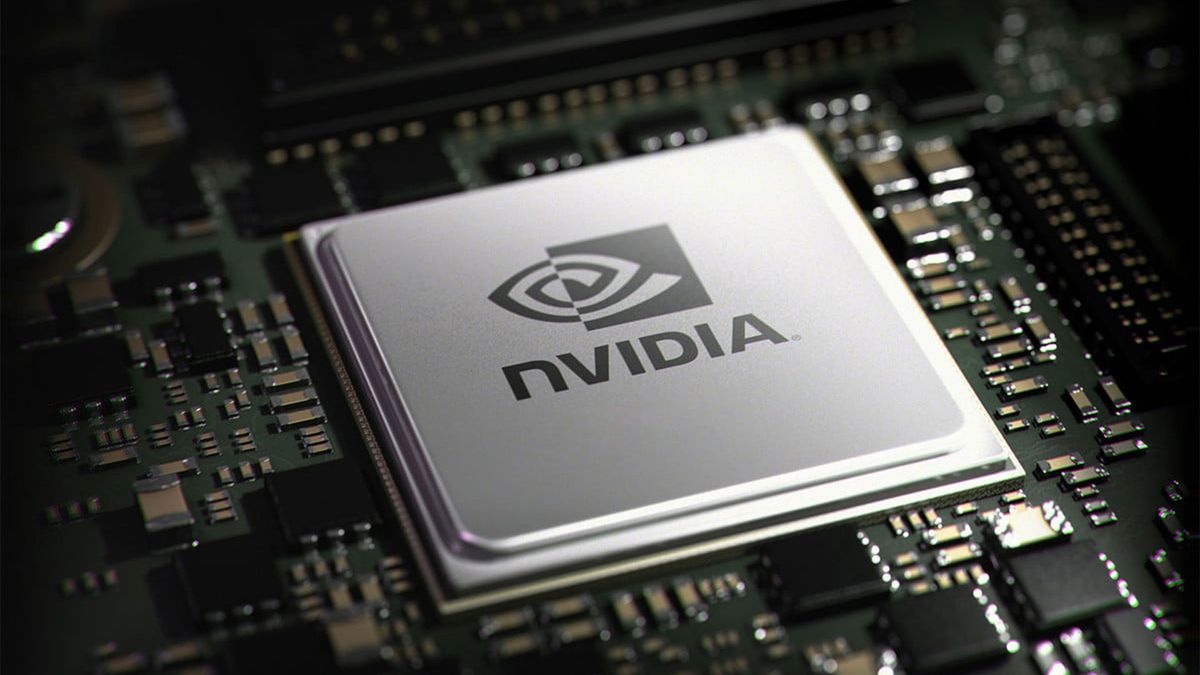
According to the DOJ, the three defendants — Stanley Yi Zheng, Matthew Kelly, and Tommy Shad English — allegedly attempted to purchase millions of dollars’ worth of export‑controlled AI chips from a California hardware company and route them to China through Thailand.
The chips in question are the same class of advanced GPUs used in:
- AI model training
- Military simulations
- High‑performance computing
- Surveillance and autonomous systems
U.S. officials say these components represent “the best of American ingenuity” and are tightly restricted because of their potential military value.
How the Smuggling Operation Worked
Investigators say the defendants used a pass‑through company in Thailand to disguise the true destination of the chips.
The alleged plan involved:
- Placing large orders with a U.S. supplier
- Routing shipments through Southeast Asia
- Re‑exporting the chips to China under falsified documentation
- Concealing the identities of Chinese buyers
The FBI described the scheme as part of a broader pattern of “increasingly brazen attempts” by foreign adversaries to acquire U.S. AI technology.
Why These Chips Matter
Advanced GPUs are now considered strategic assets, comparable to past generations’ missile guidance systems or cryptographic hardware.
AP News notes that U.S. officials view these chips as essential to:
- Military AI development
- Intelligence analysis
- Autonomous weapons
- Cyber operations
- Large‑scale data processing
Because of this, Washington has imposed strict export controls on China since 2022 — controls that both the Biden and Trump administrations have maintained.
Part of a Larger U.S.–China Tech Confrontation
The case comes amid a broader U.S. crackdown on illegal technology transfers:
- Reuters reports that U.S. prosecutors have pursued multiple cases involving attempts to divert AI servers and chips to China, including a major indictment tied to Super Micro Computer Inc. earlier this month.
- SCMP notes that the U.S. and China are locked in a race for AI dominance, with Washington warning that Beijing’s open‑source AI strategy and manufacturing scale could challenge U.S. leadership.
The DOJ says preventing the flow of sensitive AI hardware to China is now a top national‑security priority.
What Officials Are Saying
U.S. national‑security leaders issued unusually strong statements:
- Assistant Attorney General John Eisenberg:
The defendants sought to export “cutting‑edge AI chips” that are vital to maintaining U.S. technological leadership. - FBI Counterintelligence Division:
Foreign adversaries are escalating efforts to illegally acquire U.S. AI technology. - U.S. Attorney Theodore Hertzberg:
Anyone who endangers national security for profit “will face justice in an American courtroom.”
Why This Case Matters
1. It highlights China’s hunger for restricted AI hardware
China’s domestic chip industry still cannot match the performance of top‑tier U.S. GPUs.
2. It shows the growing role of intermediaries
Thailand and other Southeast Asian countries are increasingly used as transshipment hubs.
3. It signals tougher U.S. enforcement
The DOJ has made clear that even attempted purchases — not just completed exports — will trigger prosecution.
4. It underscores the geopolitical stakes
AI is now viewed as a military and ideological battleground, with the CCP seeking technological dominance while suppressing freedoms at home.
The Bigger Picture
This case is part of a broader U.S. effort to prevent Beijing from acquiring technologies that could strengthen its surveillance state, military modernization, and repression of groups such as Falun Gong, Uyghurs, and other communities targeted by the CCP.
As Washington tightens export controls, more cases like this are expected — and the U.S. is signaling that violations will be met with aggressive prosecution.
.
Sources
- U.S. Department of Justice — Indictment details and official statements
- Reuters — Related AI‑chip smuggling cases involving Super Micro affiliates
- AP News — National‑security context and Nvidia chip restrictions
- South China Morning Post — Broader U.S.–China AI competition and export‑control environment
.
What's Your Reaction?
 Like
0
Like
0
 Dislike
0
Dislike
0
 Love
0
Love
0
 Funny
0
Funny
0
 Wow
0
Wow
0
 Sad
0
Sad
0
 Angry
0
Angry
0












Comments (0)