

Trump’s Trade-Offs With Xi Deliver Results on Fentanyl and Agriculture


.
In the weeks since U.S. President Donald Trump’s summit with Xi Jinping last month, the meeting has already produced significant results, with Beijing yielding on rare earths, agriculture, and fentanyl controls after Trump made specific short-term concessions.
After Trump’s Oct. 30 meeting with Xi in Busan, South Korea, many supporters questioned why he agreed to reduce tariffs, maintain visas for Chinese students, and did not press harder on Taiwan. In the weeks since, however, China has made several concessions to the United States, suggesting the meeting was a negotiation in which the president accepted certain trade-offs. Trump appears to be prioritizing trade, rare earths, and fentanyl.
The United States lowered tariffs on Chinese imports, removing 10 percentage points from the cumulative rate and suspending heightened reciprocal tariffs until Nov. 10, 2026. However, it kept a baseline 10 percent tariff in place.
Trump also suspended implementation of the 50-percent ownership rule intended to tighten U.S. technology controls, and he paused several Section 301 investigations into Chinese trade practices. In addition, he extended the expiration of certain section 301 tariff exclusions from Nov. 29, 2025, to Nov. 10, 2026.
He also told reporters that the student visas are important for the U.S.–China relationship, stating, “Look, we’re getting along very well with China, and I’m getting along very well with President Xi. I think it’s very insulting to say students can’t come here.”
On Nov. 5, China’s State Council Tariff Commission confirmed it would roll back these agricultural tariffs beginning on Nov. 10, removing the 15 percent tariff on chicken, wheat, corn, and cotton, and the 10 percent tariff on sorghum, soybeans, pork, beef, aquatic products, fruits, vegetables, and dairy.
China restored rare-earth exports by suspending its sweeping controls on critical materials, which took effect on Nov. 8, 2025, and will run through Nov. 10, 2026. Beijing rolled back restrictions on key rare-earth elements, lithium battery materials, and processing technologies first imposed on Oct. 9. It also reversed retaliatory curbs on gallium, germanium, antimony, and other strategic super-hard materials that had been in place since December 2024.
.
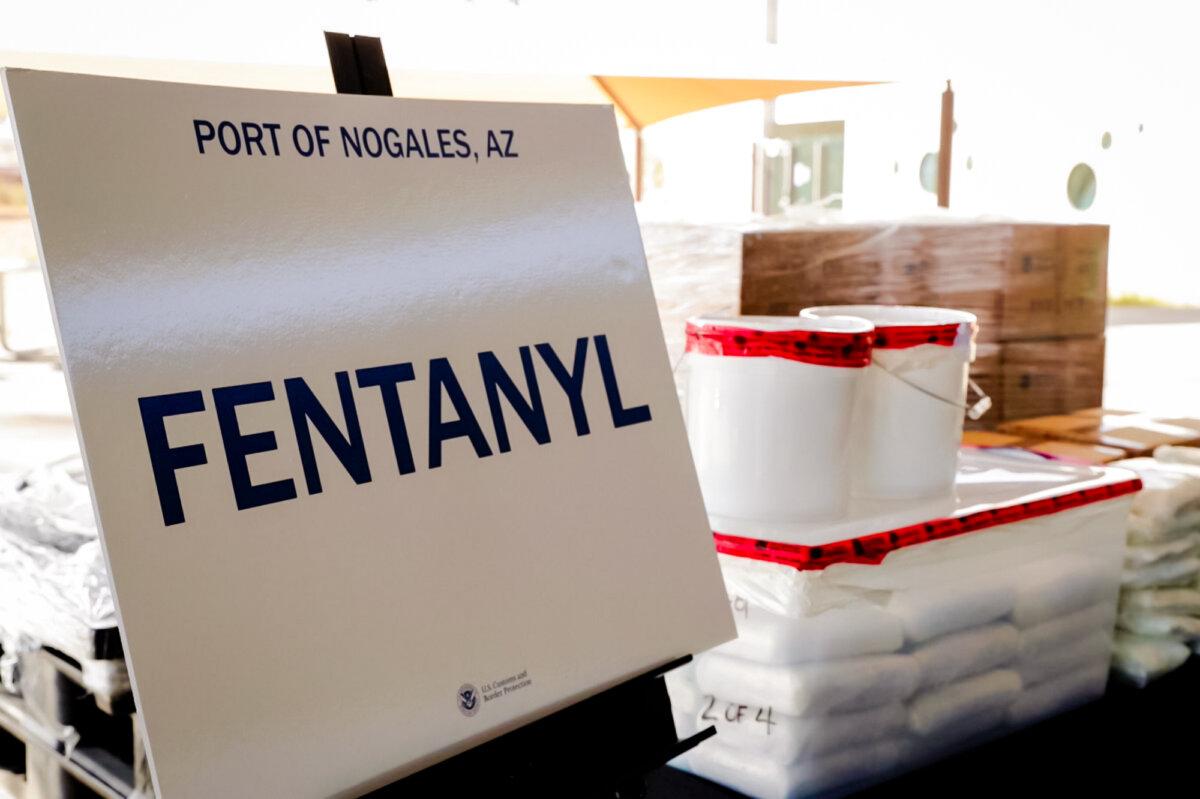
FBI Director Kash Patel said that while at China’s Ministry of Public Security headquarters, he met with his counterpart, where Chinese officials agreed on a plan to halt the flow of fentanyl precursors. Patel said the Chinese regime fully acknowledged his engagement in Beijing and described the level of access he received as unprecedented.
Patel said China admitted its main precursors are used to manufacture fentanyl and committed to enforcing new restrictions immediately. Patel also noted that, in addition to listing these chemicals, China agreed to place seven chemical subsidiaries involved in producing the precursors under tighter control.
China’s Ministry of Commerce on Nov. 10 announced it would require export licenses for 13 chemicals used in fentanyl production, with the rule taking effect immediately. Patel stated that Trump had “shut off the pipeline that creates fentanyl that kills tens of thousands of Americans.”
As for Taiwan, although Trump has been criticized for not raising the issue during his meeting with Xi, U.S. Secretary of War Pete Hegseth reaffirmed Washington’s longstanding position during a separate meeting with Chinese Defense Minister Adm. Dong Jun in Kuala Lumpur. Hegseth stressed the importance of maintaining a balance of power in the Indo-Pacific and highlighted U.S. concerns about the Chinese regime’s activities in the South China Sea, around Taiwan, and toward American allies.
Hegseth said the United States does not seek conflict, but it will defend its interests and ensure it has the capabilities in the region to do so. The meeting between Trump and Xi appears to reflect a similar approach, one that prioritizes protecting American interests. Trump’s concessions on tariffs did not eliminate baseline protections, and there were solid economic reasons for his decisions.
Maintaining Chinese student visas helps keep American universities financially afloat, while China’s reduced agricultural import restrictions directly benefit U.S. farmers. And until the United States becomes rare-earth independent—a goal the Trump administration is actively working toward—these agreements ensure continued access to the critical materials required for American technology manufacturing.
What's Your Reaction?
 Like
0
Like
0
 Dislike
0
Dislike
0
 Love
0
Love
0
 Funny
0
Funny
0
 Wow
0
Wow
0
 Sad
0
Sad
0
 Angry
0
Angry
0















Comments (0)