

The Cold War-Like Contest Between the US and China


.
For decades, Washington bet that trade and technology would bind China into a more open, rules-based order. Instead, the world’s two largest powers now clash in nearly every domain—chips and AI, supply chains and technical standards, cyberspace and outer space, ideology and influence—reshaping alliances and the global economy in the process.
Analysts call it a “Cold-War-style contest” with one pivotal twist: The two rivals remain tightly bound by trade and finance. Rather than severing those ties outright, each side is racing to rewire them.
How We Got Here
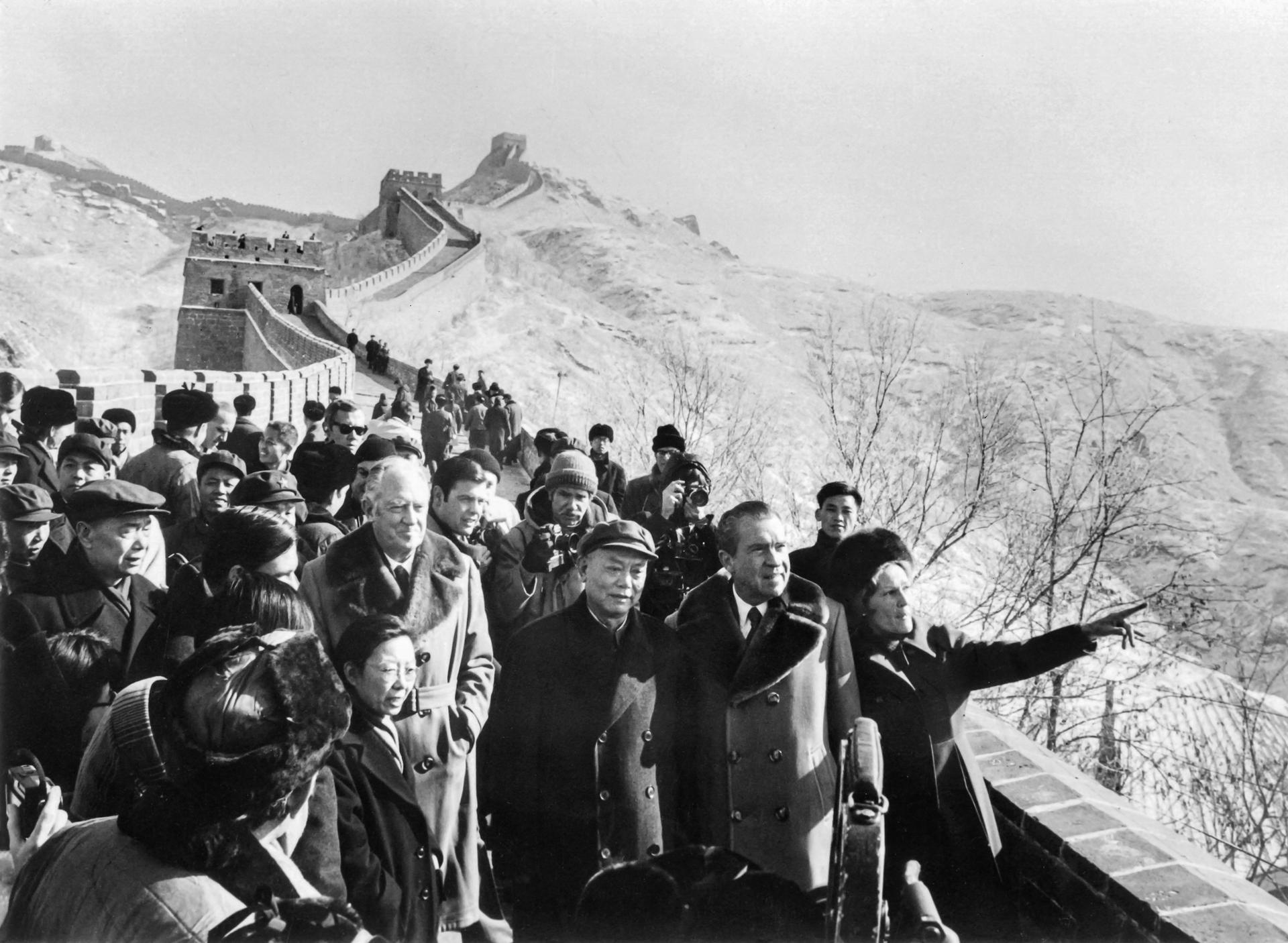
President Richard Nixon’s 1972 trip to Beijing ended decades of hostility and paved the way for full U.S. diplomatic recognition of the People’s Republic of China (PRC) in 1979.Before that, Washington recognized the government in Taiwan—the Republic of China (ROC)—as the sole legitimate government of China.
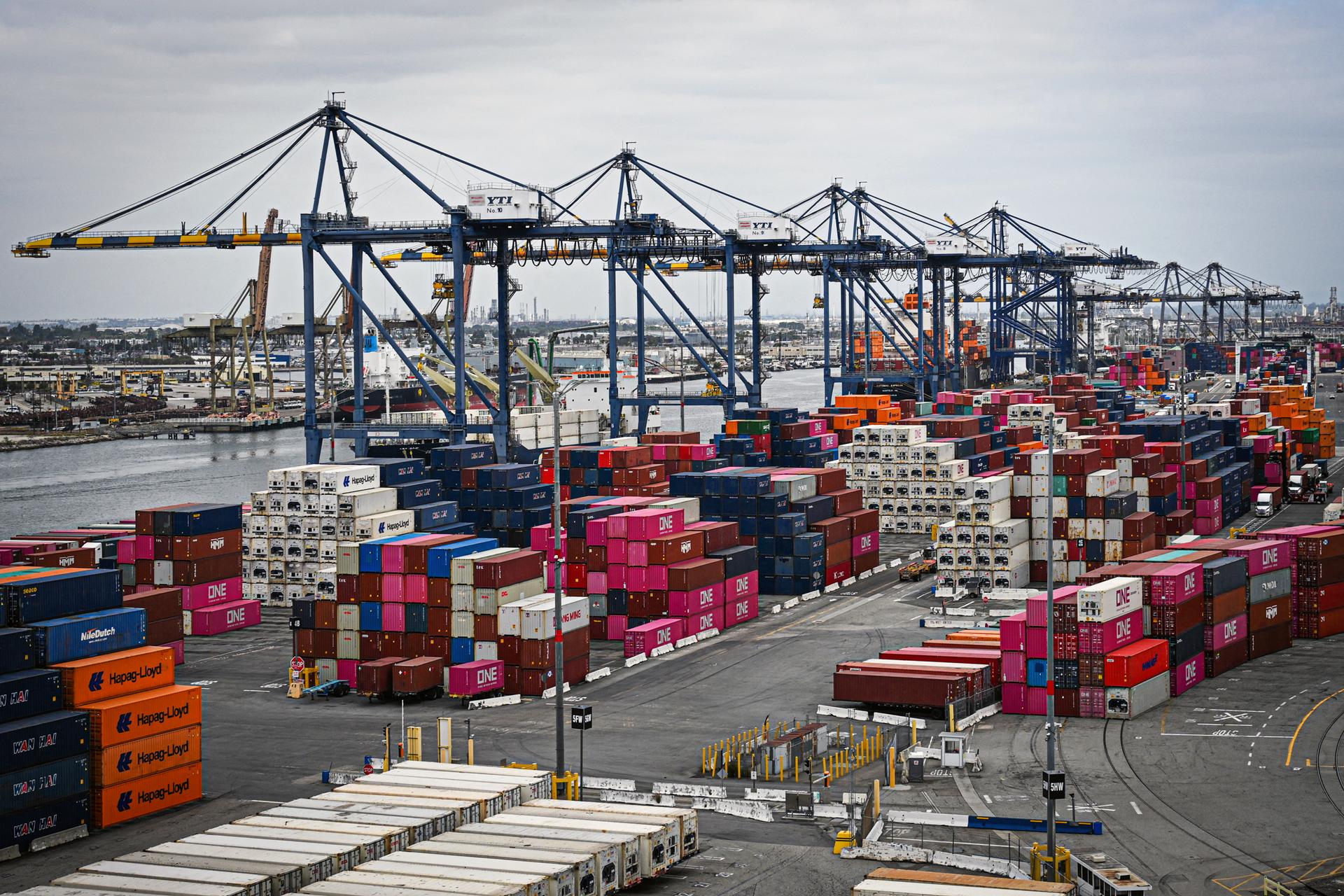
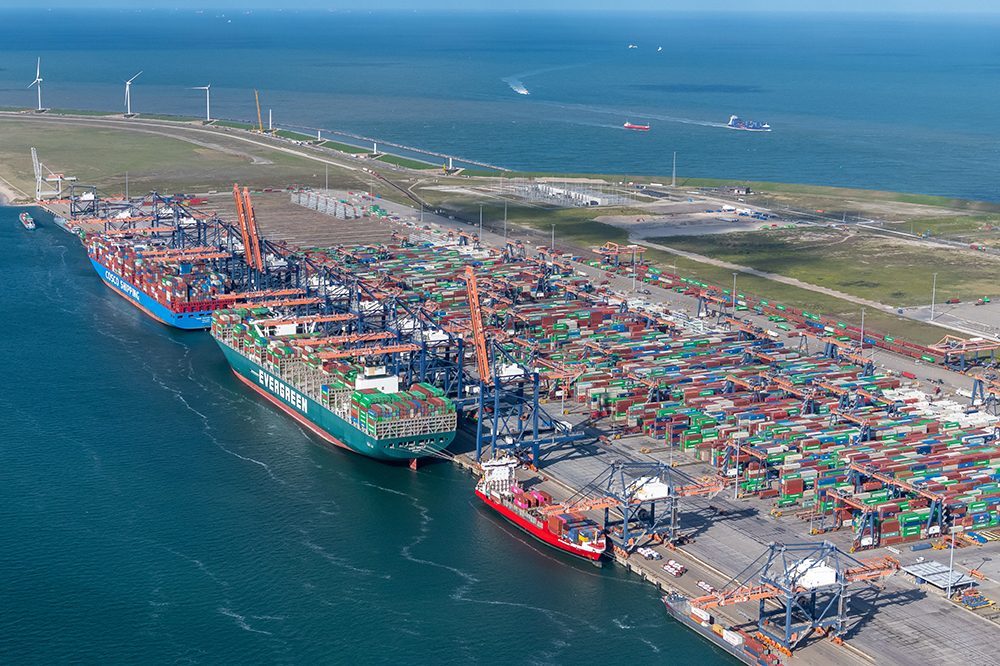
The diplomatic shift cleared China’s path into the World Trade Organization (WTO) in 2001, granting broad access to global markets, supercharging export-led growth, and turning the country into a central hub in world supply chains.
Washington assumed deeper integration would nudge Beijing toward a more market-oriented, rules-respecting, and democratic path.
It did not.
China forced technology transfers, lavished subsidies on state champions, blocked foreign competitors, and tolerated widespread intellectual-property theft—all in violation of WTO principles.
The strategy paid off in raw power. China’s nominal GDP jumped from roughly $1.3 trillion in 2001 to about $19.2 trillion in 2025, more than a 14-fold gain.
With that growth came sharper elbows.
.
Chinese state-backed hacker groups have breached U.S. government agencies, companies, and critical infrastructures, while influence operations reached universities, think tanks, and media outlets, steering policy and public opinion in Beijing’s favor.
A Strategic Shift in Washington
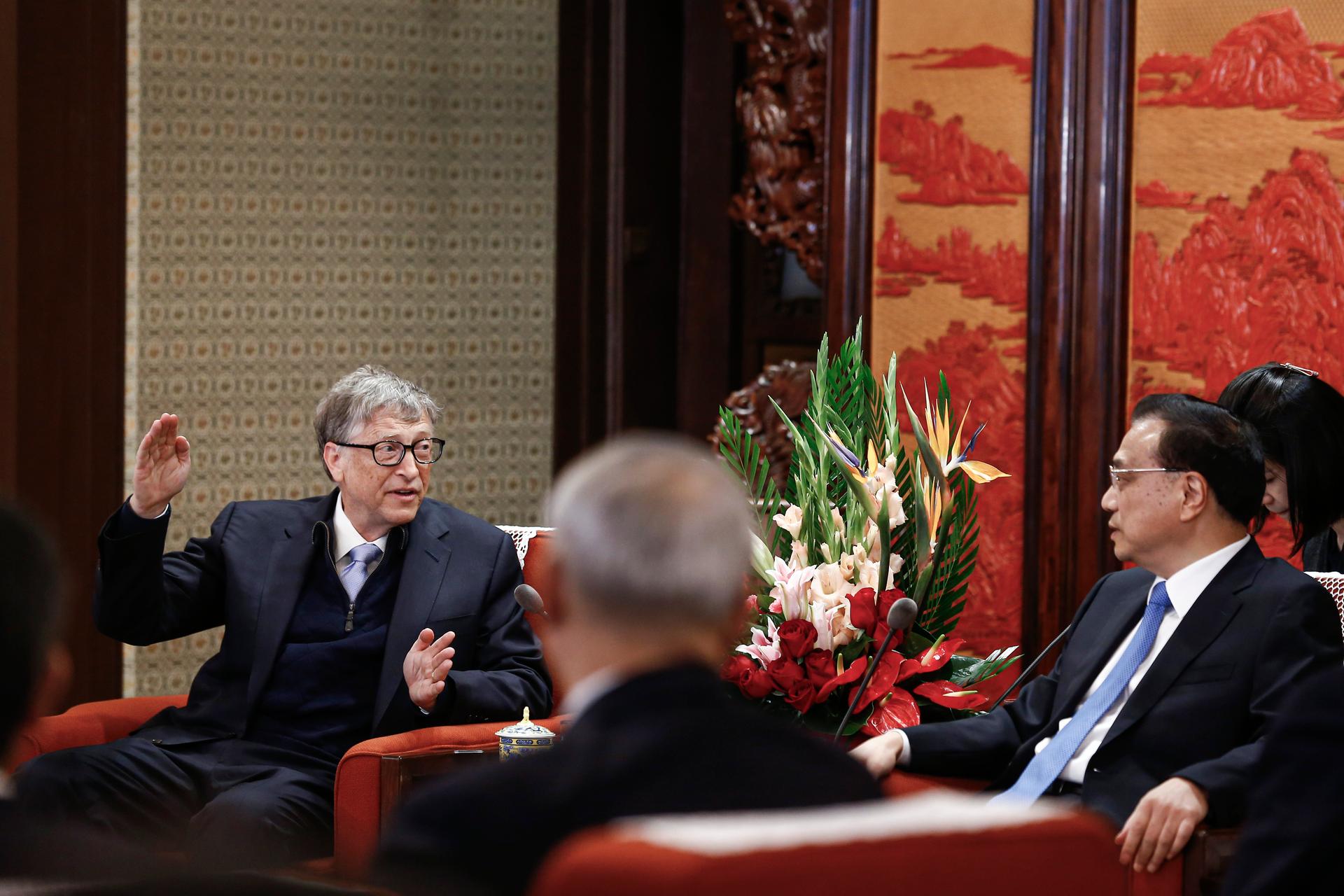
A change in U.S. thinking came in 2017, when the Trump administration’s National Security Strategy labeled China as a top competitor and strategic adversary. That judgment continued to underpin policy under the Biden administration and the current Trump administration.Beijing’s post-WTO behavior forced Washington into hard-edged “techno-nationalism and trade protectionism,” Peter C. Y. Chow, an economics professor at the City College of New York, told The Epoch Times.
That new posture now produces a drumbeat of measures on a regular basis.
From Oct. 1, mandatory research-security training will be implemented for federally funded scientists supported by the National Science Foundation and the U.S. Department of Agriculture.
Meanwhile, it penalized two Chinese intermediaries for buying U.S. chipmaking gear for China’s flagship chipmaker SMIC, signaling a willingness to punish middlemen as well as end users.
.
Beijing Responds
China is answering measure for measure.On Aug. 22, regime regulators tightened oversight of rare-earth mining and processing, extending quota limits to imported materials and demanding monthly reporting that gives officials access to all shipment data—a level of control that alarms foreign manufacturers.
Less than two weeks later, Beijing announced an anti-circumvention probe into U.S. optical-fiber imports, then launched twin investigations into suspected dumping by American analog-chip suppliers and alleged discrimination against Chinese firms.
On Sept. 15, regulators deepened an antitrust review of Nvidia’s purchase of the Israeli-American company Mellanox Technologies, a computer networking products supplier, adding to the squeeze on the U.S. tech giant.
An Ideological Divide
“At its core, you can’t square centralized authoritarian rule with modern democratic governance,” U.S.-based economist Davy J. Wong told The Epoch Times. “The two values can’t coexist, so a power contest is inevitable.”Democracy prizes transparency and bottom-up innovation, he said, while China’s one-party state values speed and cohesion.
That cohesion serves one purpose, said Shen Rongqin, an international business professor at Canada’s York University.
“For the Chinese Communist Party, regime survival takes absolute precedence—even at the expense of the economy or people’s livelihoods,” Shen told The Epoch Times.
The priorities could not be farther apart, said Henry Li, a Maryland-based economist and China analyst.
“Washington’s bottom line is national well-being. Beijing’s is power,” Li told The Epoch Times.
Any hint of weakness, Li said, is viewed by the Chinese Communist Party as an existential threat, which is why it feels compelled to confront Washington and project strength.
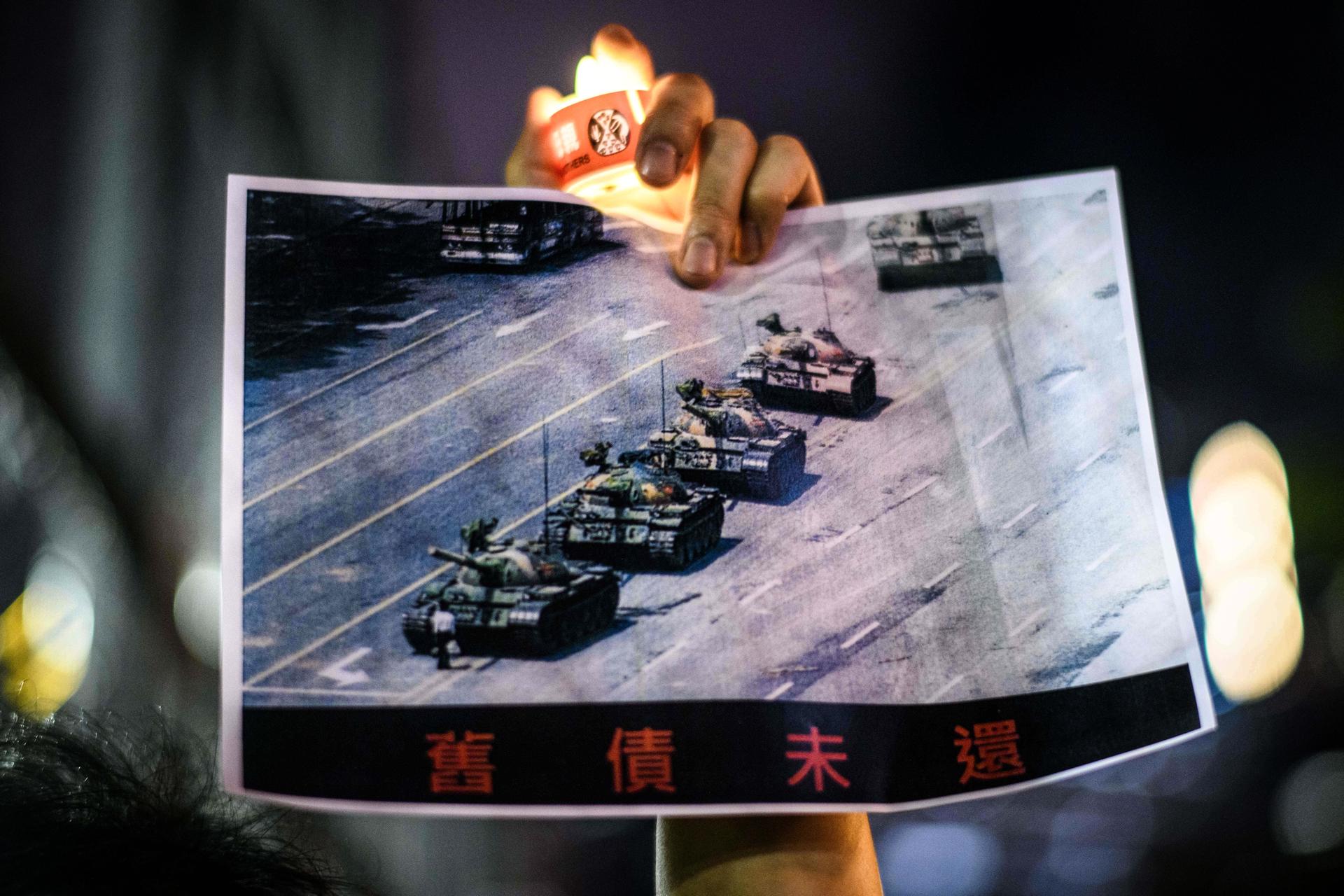
If that power is challenged, he warned, “the Party will have no problem resorting to annihilating measures, even self-destructive ones.” He noted a similar mindset in 1989, when tens of thousands of troops and hundreds of armored vehicles crushed peaceful pro-democracy protesters in Tiananmen Square.
U.S. leaders, by contrast, face a very different constraint, Chow noted.
If the economy stumbles, American voters can punish policymakers at the ballot box, he said, limiting how far Washington can push before job losses or inflation become political liabilities.
.
Beijing’s Playbook: Commit, Delay, Renegotiate
Despite the ideological gulf, China still relies on U.S. demand for its exports, giving Washington leverage. But Beijing has learned how to blunt that advantage.Beijing’s counterstrategy, Wong said, is “commit, delay, renegotiate”: offering tactical concessions, stalling on implementation, then coming back asking for new terms.
Li sees that script playing out again in the current trade talks as Chinese negotiators appear cooperative yet offer little that is substantive and verifiable.
So far, Beijing has promised to roll back some retaliatory tariffs, relax restrictions on rare-earth exports, and set up a “consultation mechanism” for continued dialogue—steps that address measures Beijing itself recently imposed and that carry no long-term enforcement.
The pattern recalls the unfulfilled pledges of the 2018–2020 Phase One trade deal, when Beijing’s much-touted commitments to increase purchases of American soybeans and technology never fully materialized, Li said.
Li contends Beijing is dragging matters out through the 2026 U.S. midterms, hoping any shift in Congress will constrain Trump, all while pouring money into domestic supply chains to cut U.S. dependence.
However, China’s room to maneuver is shrinking, Chow noted.
A property market meltdown, soaring youth unemployment, and weak consumer spending have undercut its appeal as a magnet for foreign capital, he said.
“Beijing may wish to minimize the damage from the trade war with the U.S.,” Chow warned, or risk deeper economic pain at home.
.

Looming Secondary Tariff on China
Beijing’s support for Moscow is another flashpoint.China and India have helped keep Russia’s economy afloat since its invasion of Ukraine in 2022, ramping up purchases of Russian oil even as many countries reduced or cut off imports.
By 2025, China had become Russia’s largest fossil fuel buyer, accounting for about 40 percent of Moscow’s export revenues, offsetting much of the impact of Western sanctions on Russia.
Beijing has replied with its own leverage. During tense talks in May and June, it throttled exports of heavy rare-earth elements—essential to everything from missiles and vehicles to smartphones—to force concessions.
Shen argues the deal actually favors the United States, because it keeps Chinese developers locked into Nvidia’s Compute Unified Device Architecture ecosystem, slowing their home-grown alternatives.
Whether that deal sticks with Beijing remains uncertain.
Analysts therefore expect tensions to flare again if no concrete agreements are reached by Nov. 10, the extended deadline for U.S.–China negotiations.
“Each side is weaponizing its comparative advantages,” Shen said. “That pattern is only becoming clearer.”
Secondary tariffs or not, each side is weaponizing its strongest levers—technology for Washington, rare earths for Beijing—an escalating pattern that increasingly resembles a Cold War, Shen said.
.
What's Your Reaction?
 Like
0
Like
0
 Dislike
0
Dislike
0
 Love
0
Love
0
 Funny
0
Funny
0
 Wow
0
Wow
0
 Sad
0
Sad
0
 Angry
0
Angry
0












Comments (0)