

South Korea’s Lee Begins China Visit Amid Regional Tensions


.
South Korean President Lee Jae Myung this week began his first state visit to China since taking office last June, as Beijing seeks to rally support from Seoul amid escalating tensions on the Korean Peninsula and in the Taiwan Strait.
Lee arrived at Beijing Capital International Airport on the afternoon of Jan. 4, kicking off a four-day visit at the invitation of Chinese leader Xi Jinping, China’s state broadcaster CCTV reported. Lee’s visit to China is the first by a South Korean president in six years, it added.
Chinese regime leaders are expected to use the meetings to pressure Lee on issues related to Taiwan, a self-ruled democracy the Chinese Communist Party (CCP) views as its own and has threatened to take by force.
Ahead of Lee’s arrival, CCTV aired a 21-minute interview with Lee at the Blue House, South Korea’s presidential office, in which Lee was asked how his administration plans to adhere to Beijing’s “one-China principle.”
The one-China principle is the CCP’s position that there is only one sovereign state under the name China, with the CCP as the sole legitimate government of that China, and that Taiwan is part of that China.
Lee said that the government has “always respected” the one-China policy—which is distinct from Beijing’s one-China principle in that it “acknowledges that all Chinese on either side of the Taiwan Strait maintain there is but one China and that Taiwan is a part of China”—while highlighting the importance of regional stability.
Lee also said that “there is no change” in South Korea’s position—which aligns with that of the United States, rather than that of the CCP—with regard to the one-China policy.
“Maintaining peace and stability in Northeast Asia, including in the Taiwan Strait, is very important to us,” Lee told China’s state media in Korean.
Japan’s westernmost tip, Yonaguni, is only 68 miles from Taiwan’s coastline.
.
North Korea, Trade
Lee is set to meet with Xi in the afternoon of Jan. 5 for an “in-depth discussion” on issues related to people’s livelihoods and security facing the two nations, according to his office.The primary focus of the meeting will be on economic cooperation and people-to-people exchanges, according to China’s state media and Lee’s office.
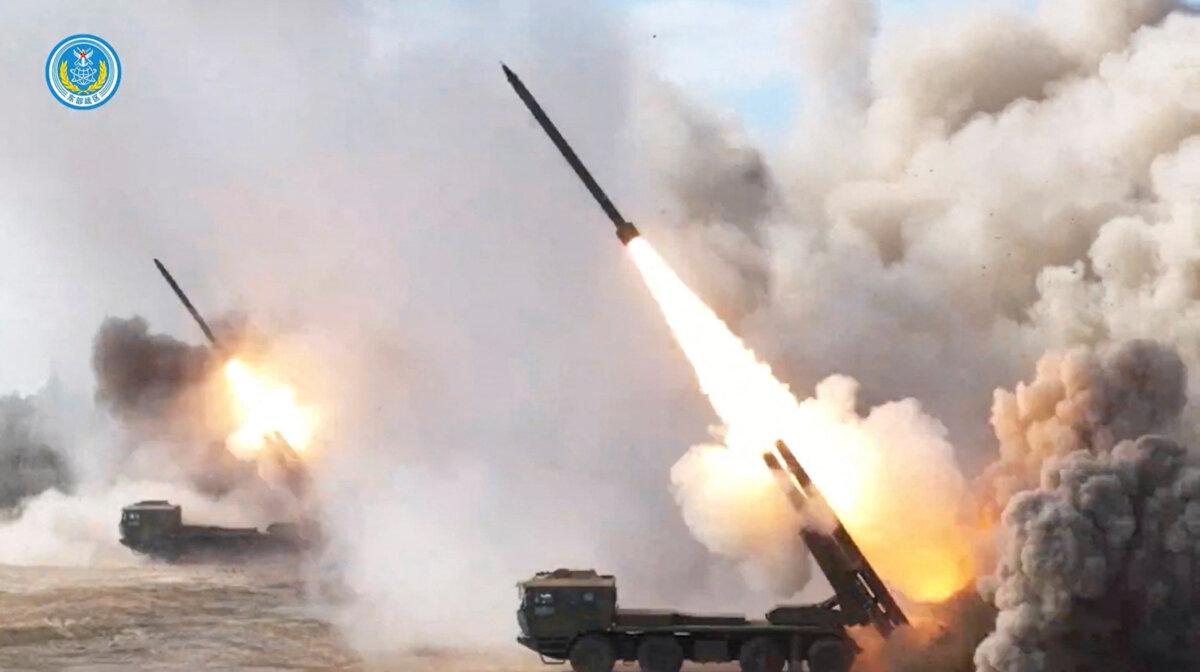
Just hours before Lee’s arrival in Beijing, North Korea launched multiple ballistic missiles, according to its neighbors.
South Korea’s Joint Chiefs of Staff said in a statement it detected several ballistic missile launches from North Korea’s capital region around 7:50 a.m. local time on Jan. 4. It said the missiles flew about 900 kilometers (560 miles) and that South Korea and U.S. authorities were analyzing details of the launches.
Japanese Defense Minister Shinjiro Koizumi said that at least two missile launches by North Korea have been confirmed. “They are a serious problem, threatening the peace and security of our nation, the region and the world,” Koizumi told reporters.
.
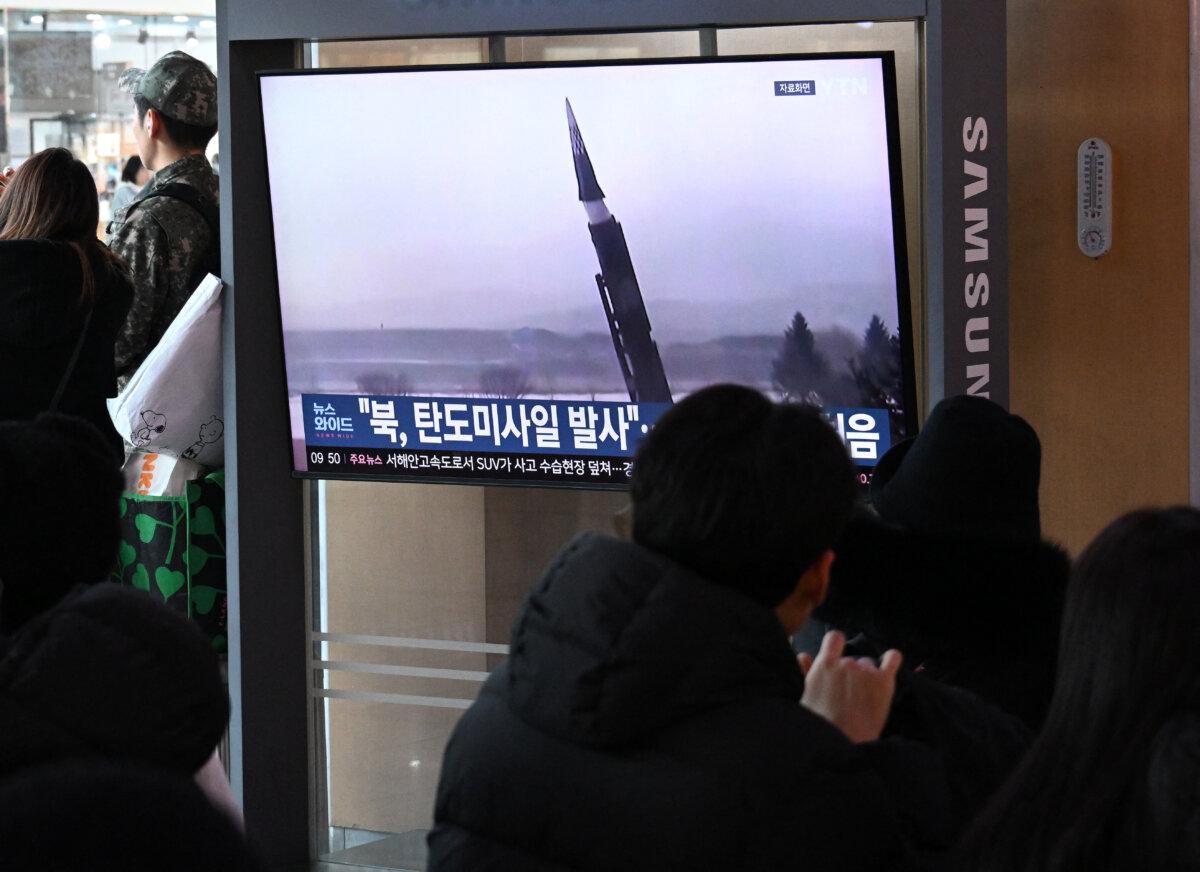
The U.S. Indo-Pacific Command, in an online statement, said it was aware of the missile launches and that it was consulting closely with allies and partners.
“Based on current assessments, this event does not pose an immediate threat to U.S. personnel or territory, or to our allies,” the command said on X. “The United States remains committed to the defense of the U.S. homeland and our allies in the region.”
What's Your Reaction?
 Like
0
Like
0
 Dislike
0
Dislike
0
 Love
0
Love
0
 Funny
0
Funny
0
 Wow
0
Wow
0
 Sad
0
Sad
0
 Angry
0
Angry
0














Comments (0)