

Opening Strait of Hormuz Is in China’s Interest, Says US Trade Chief
Opening Strait of Hormuz Is in China’s Interest, Says US Trade Chief - Fuel prices are rising in China, triggering long lines as residents seek to stock up on gas.

.
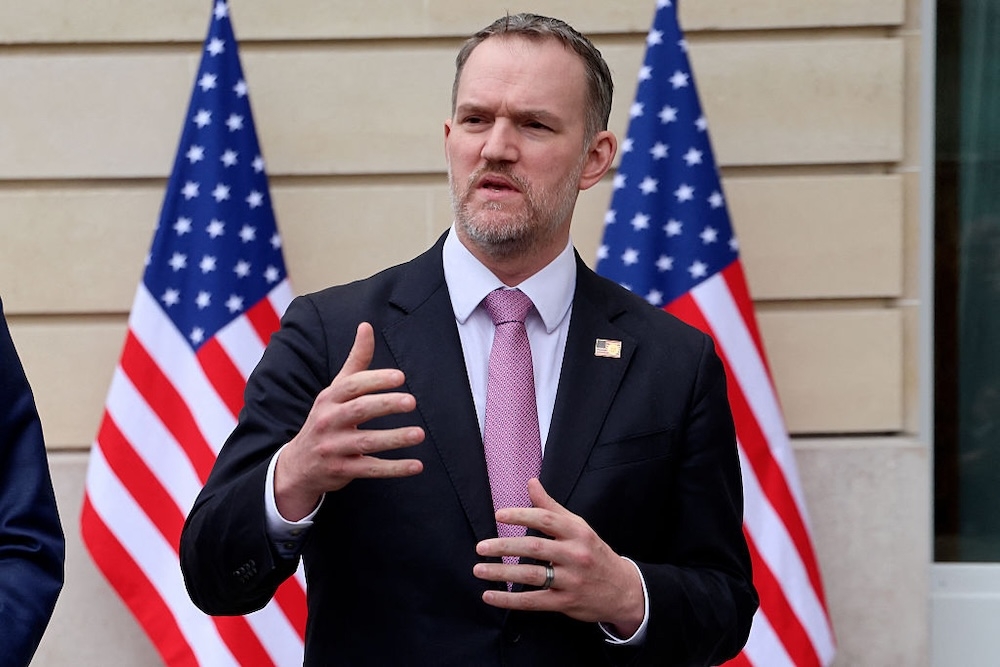
U.S. Trade Representative Jamieson Greer says he has told Chinese trade officials that it is in their interest to help keep the Strait of Hormuz open, a critical chokepoint through which a fifth of the world’s energy passes.
“And certainly there was a short conversation saying it’s in your interest to have that, that strait open, but we didn’t get into a discussion of actual Chinese participation,” he said.
Greer added that China is “probably more negatively affected than we are” by the blockage in the strait, as the nation imports much more energy.
“It’s in everybody’s interest to wrap this thing up as quickly as possible,” Greer said.
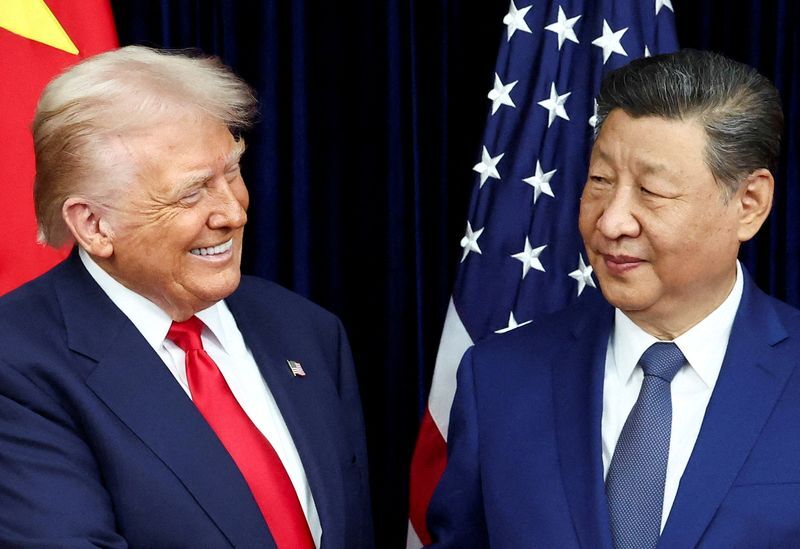
The U.S.–China trade talks came ahead of a planned bilateral meeting between President Donald Trump and Chinese Communist Party leader Xi Jinping, which has been postponed roughly five weeks after Trump said he needed to stay in place to oversee the war in Iran.
“Hopefully, China, France, Japan, South Korea, the UK, and others, that are affected by this artificial constraint, will send Ships to the area so that the Hormuz Strait will no longer be a threat by a Nation that has been totally decapitated,” Trump wrote in a March 14 Truth Social post.
“It is an international water. It’s been like that since the fifteenth and sixteenth century [sic]. And I think we all have a responsibility to ensure the flow of trade, the flow of energy, and so on and so forth,” Anwar Gargash, diplomatic adviser to the president of the UAE, said in an interview with U.S. think tank the Council on Foreign Relations on March 17. “This is something that is in the interests of everybody.”
Greer also told Bloomberg on Wednesday that Trump is not discussing tariffs with countries unwilling to help secure free passage through the strait.
“He was pretty clear that he talked to allies about helping secure it, a lot of people didn’t want to do, and he said, ‘Fine, we don’t need them.' So I think that’s the going position right now,” Greer said.
What's Your Reaction?
 Like
0
Like
0
 Dislike
0
Dislike
0
 Love
0
Love
0
 Funny
0
Funny
0
 Wow
0
Wow
0
 Sad
0
Sad
0
 Angry
0
Angry
0












Comments (0)