

Maduro’s Arrest Signals a Tougher US Playbook—and New Risks for China: Analysts


.
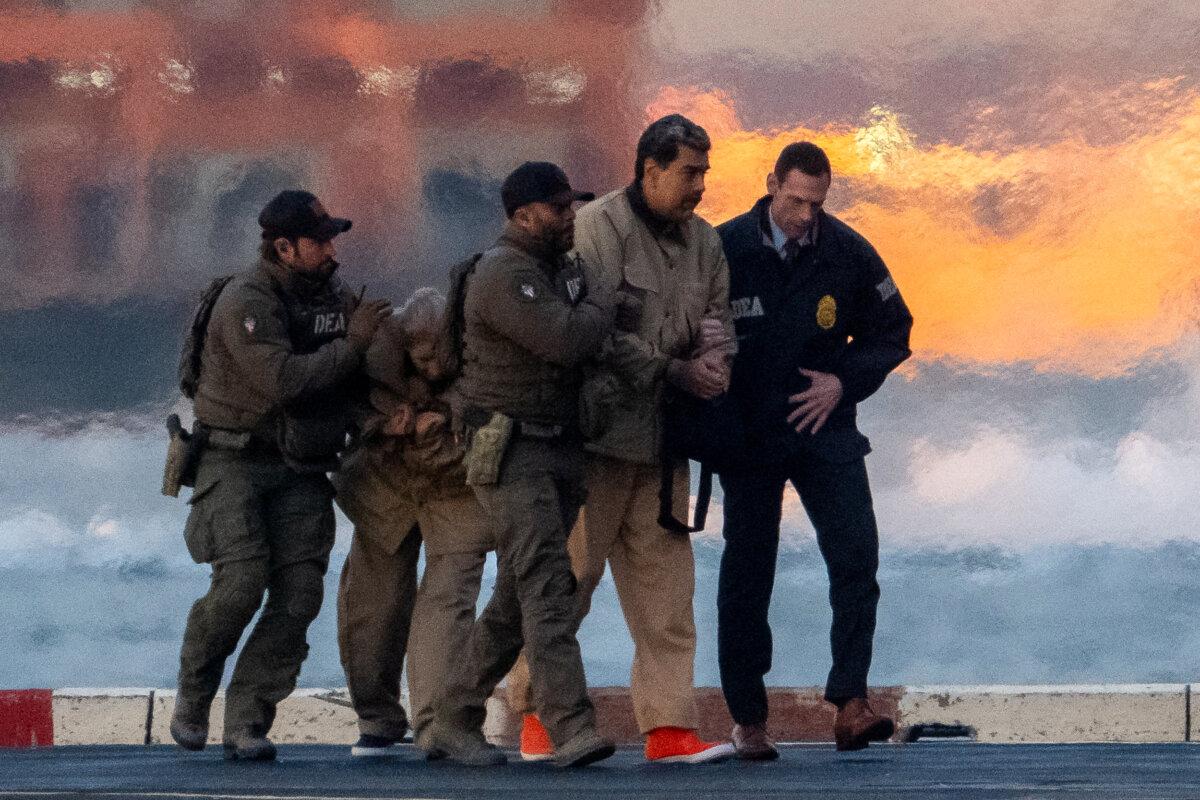
The capture of former Venezuelan leader Nicolás Maduro has sent shockwaves around the world, placing new pressure on authoritarian regimes aligned with Beijing, analysts say.
Beijing’s Visible Unease
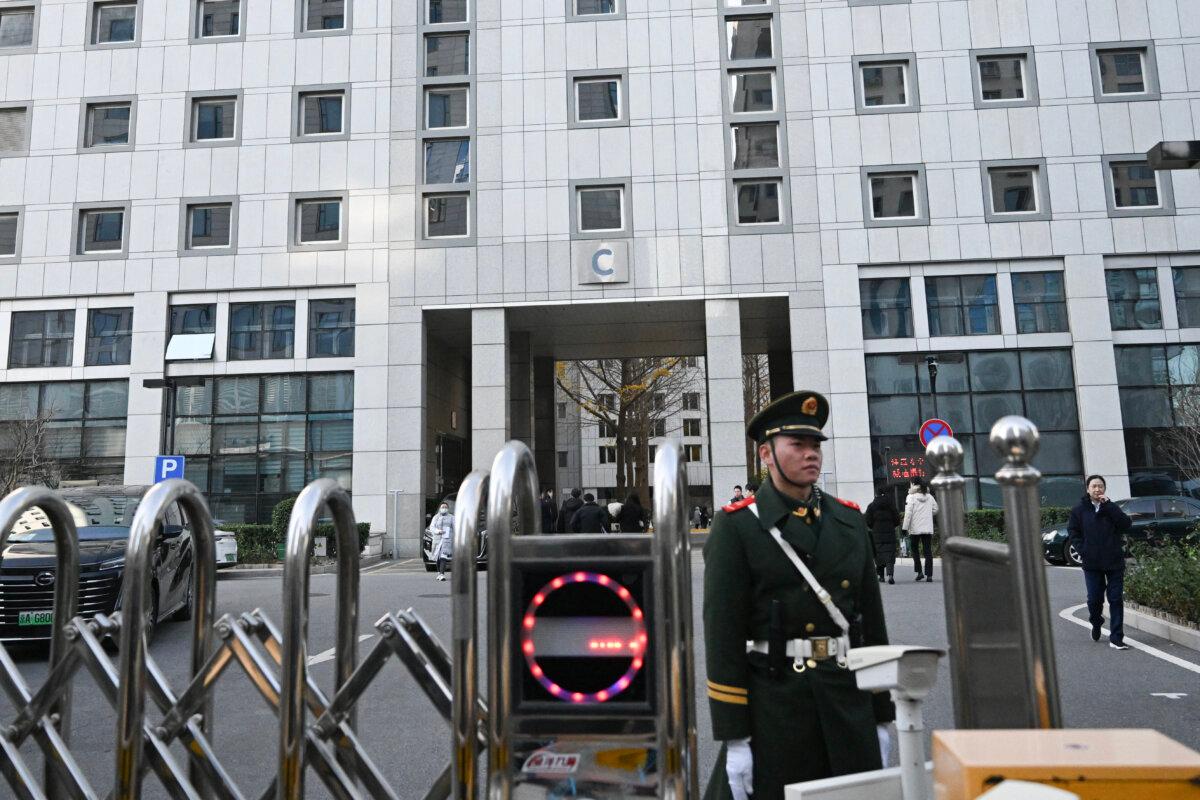
Chinese state-affiliated media have sought to downplay comparisons between Iran and Venezuela, insisting that Tehran “is not Caracas” and that Washington cannot replicate the Venezuela operation elsewhere. However, Beijing’s reaction tells a different story.U.S.-based China analyst He Heng wrote that the sudden shift in Venezuela left Beijing “completely disoriented.”
.
Misreading Washington
Mark Cao, a U.S.-based military tech analyst, former materials engineer, and host of Chinese-language military news YouTube channel Mark Space, told The Epoch Times that Beijing had fundamentally misjudged the Trump administration.“The Chinese Communist Party (CCP) believed Trump wouldn’t dare launch a military operation against Venezuela,” he said. “Maduro’s capture was a slap in the face.”
According to Cao, China’s influence in Latin America rests largely on economic leverage, with few viable military or diplomatic tools.
“They don’t have the capacity [to project power there],” he said. “So [they] assumed Trump wouldn’t act, but he did, and that left the CCP scrambling.”
China’s partners—Venezuela, Iran, and Cuba—are all confronting political uncertainty, Cao pointed out, at a time when the CCP itself is struggling economically and has fewer resources to prop it up.
“They can only watch as their junior partners fall, one by one,” he said. “This could significantly weaken the CCP’s global influence.”
Cao said the impact of Maduro’s arrest extends beyond Latin America. If the Western Hemisphere stabilizes, the United States would face fewer constraints in reallocating attention and resources to the Indo-Pacific—an outcome Beijing fears, he said.
Changing the Rules of the Game
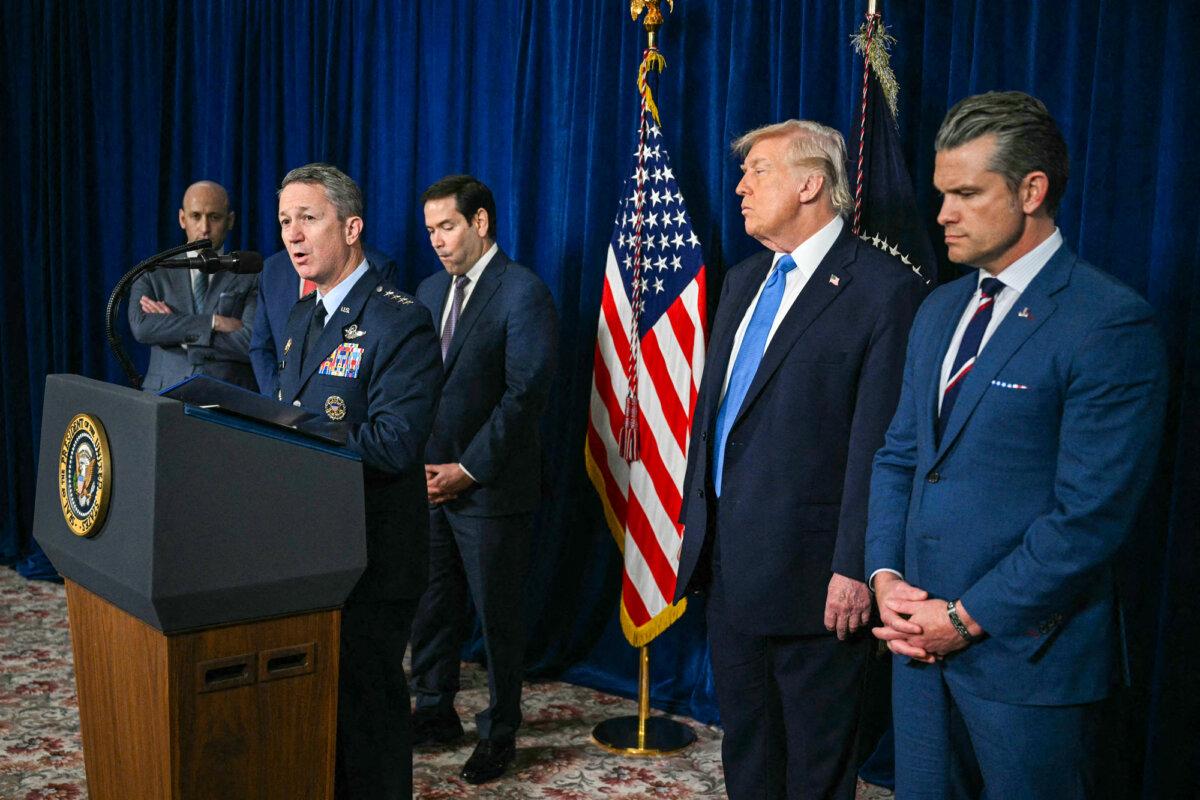
China’s anxiety has been compounded by what analysts describe as a broader shift in U.S. strategy. Recent moves by the Trump administration suggest Washington has concluded that sanctions and diplomacy alone are insufficient to confront authoritarian regimes backed by Beijing.Key principles the administration now emphasizes include refusing to apologize for U.S. foreign policy, rejecting globalist agendas, rebuilding the military, pursuing “peace through strength,” and reviving a modern form of the Monroe Doctrine.
Force as Deterrence
Cao said that the Maduro operation demonstrates why sanctions and diplomacy often fail to deter authoritarian regimes.“Trump used decapitation strikes to change realities fast,” he said, predicting Washington may increasingly rely on such tactics.
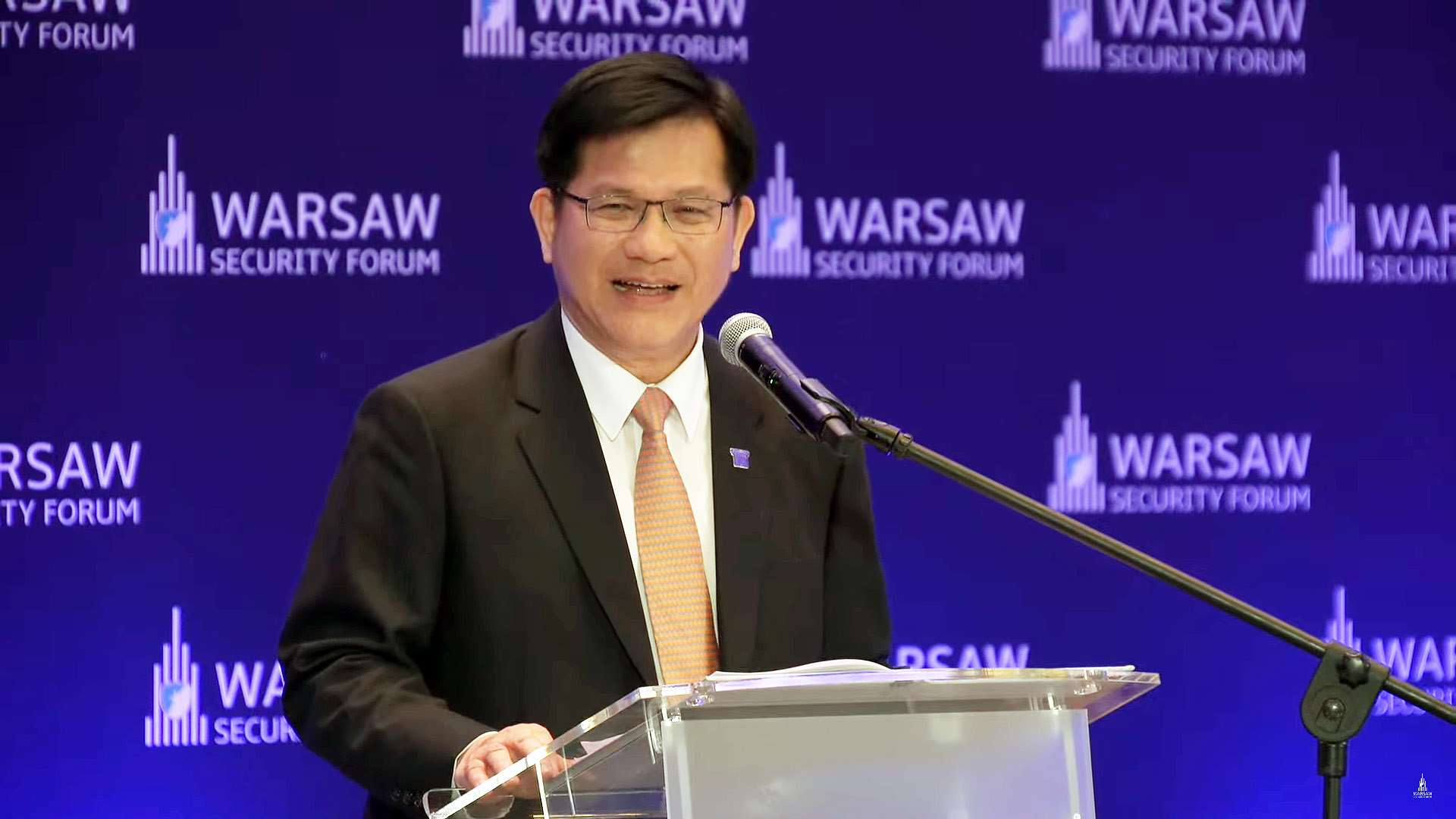
Shen Ming-shih, a research fellow at Taiwan’s Institute for National Defense and Security Research, echoed that assessment. He told The Epoch Times that Trump has long believed that democracy promotion and diplomacy alone cannot resolve severe conflicts.
“Trump is well aware that past sanctions—whether imposed on Iran and North Korea over their nuclear programs, or on Russia for its occupation of Crimea—ultimately failed to achieve their intended effect,” he said. “Despite sanctions, Russia still retained the capacity to invade Ukraine.”
According to Shen, Trump waited months for the right moment before acting against Maduro.
Challenging Beijing’s Narrative
Chinese leader Xi Jinping and the regime’s propaganda media have long touted the slogan, “the East rising and the West declining.” However, analysts say the narrative has weakened after Maduro’s arrest.Cao said that the American decline narrative stems from past policy mistakes, not structural weakness. Since the 1970s, he said, Washington compromised with Beijing and opened its markets, hollowing out American manufacturing in the process.
“Xi misjudged the situation,” he said. “He thought concentrated power could overwhelm the West without understanding where real military and technological advantages lie.”
Shen said Beijing had concluded during the Biden administration that the United States was in decline, but Trump’s return marked a shift toward strengthening both the economy and the military.
“When a country is weak, it avoids military action,” Shen said. “Trump’s willingness to act shows confidence that the United States remains the world’s top military power—while China lags 15 to 20 years behind.”
.
A Domino Effect?
Following Maduro’s fall, Trump has warned Cuba, another communist stronghold in the Caribbean, and imposed secondary sanctions on Iran, a key oil supplier now facing nationwide protests.In this environment, analysts say China is on the defensive, lacking tools to stabilize its support network or counter global economic volatility.
Shen noted that Beijing understands that Washington’s Western Hemisphere-first strategy, or as Trump calls it, the “Donroe Doctrine,” is designed to push China out.
“If the Cuba issue is resolved, China’s influence in Latin America will shrink dramatically,” Shen said.
“[And] if Iran also slips from Beijing’s orbit, China could find itself increasingly isolated—economically strained, militarily exposed, and less able to rally support from the Global South.
“The next question is how far the United States is willing to go. Washington will not allow the CCP to remain a threat—whether in the Indo-Pacific or globally.”
What's Your Reaction?
 Like
0
Like
0
 Dislike
0
Dislike
0
 Love
0
Love
0
 Funny
0
Funny
0
 Wow
0
Wow
0
 Sad
0
Sad
0
 Angry
0
Angry
0












Comments (0)