

China’s New “Ethnic Unity” Law Sparks Alarm in Taiwan: Fears of a Legal Tool for Cross‑Strait Pressure
China’s New “Ethnic Unity” Law Sparks Alarm in Taiwan: Fears of a Legal Tool for Cross‑Strait Pressure - China has passed a sweeping new “Ethnic Unity” law that Beijing says will strengthen national cohesion — but officials in Taiwan warn it could become a powerful legal weapon to target Taiwanese people, businesses, and even historical viewpoints that diverge from the Chinese Communist Party’s official line.

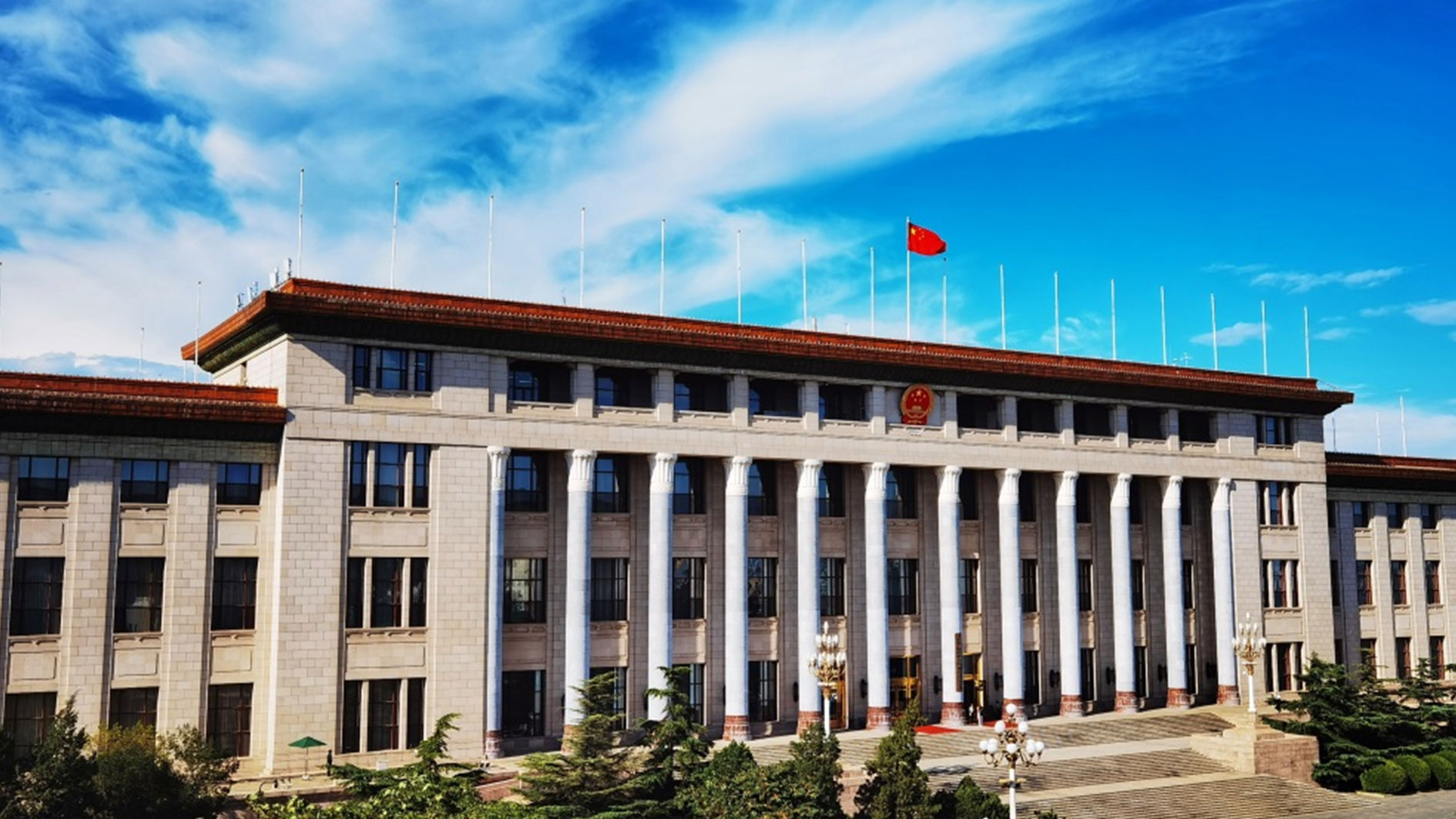
.
Lede
China has passed a sweeping new “Ethnic Unity” law that Beijing says will strengthen national cohesion — but officials in Taiwan warn it could become a powerful legal weapon to target Taiwanese people, businesses, and even historical viewpoints that diverge from the Chinese Communist Party’s official line.
A Law Framed as Unity — but Seen as Control
China’s National People’s Congress approved the Law on Promoting Ethnic Unity and Progress, a broad statute that Beijing describes as a way to build a “shared national identity” among the country’s 56 recognized ethnic groups.
But the law’s language goes far beyond cultural integration.
It requires Chinese citizens to:
- “Safeguard national sovereignty”
- “Consciously uphold national unity, national security, and social stability”
- Align with the Party’s approved views of history, culture, and national identity
Although Taiwan is not mentioned by name, Beijing considers Taiwanese people to be Chinese citizens — and that is where the alarm begins.
Why Taiwan Sees a Direct Threat
Taiwan’s Mainland Affairs Council (MAC) says the law could be used as a legal basis to punish Taiwanese who reject Beijing’s territorial claims or express pro‑independence views.
Officials warn that the law’s vague but ideological language could be interpreted to mean:
- Supporting Taiwan’s democracy = “undermining national unity”
- Criticizing Beijing’s historical narrative = “holding incorrect historical views”
- Opposing unification = “inciting separatism”
A senior MAC official put it bluntly:
“The punishments are concrete. The definitions are vague.” US News
Taipei fears this could justify long‑arm jurisdiction — attempts to pressure Taiwanese individuals or companies abroad, even though Chinese courts have no authority in Taiwan.
A Pattern Taiwan Knows Well: ‘Lawfare’
Taiwan has long accused Beijing of using lawfare — passing domestic laws that claim extraterritorial reach — to intimidate Taiwanese citizens.
Examples include:
- 2024 guidelines threatening severe penalties, including the death penalty, for so‑called “diehard” independence supporters
- Dozens of cases of cross‑border repression, where Taiwanese individuals or businesses were pressured or targeted abroad
The new Ethnic Unity Law, Taiwanese officials say, fits this pattern perfectly. Taipei Times
What the Law Could Mean in Practice
1. Punishing “incorrect” historical views
Taiwanese officials warn the law could criminalize interpretations of history that differ from Beijing’s narrative — including Taiwan’s own democratic identity and historical experience.
One official said it could punish anyone who “fails to hold the correct view of the nation.” Reuters Connect
2. Targeting Taiwanese businesses
Companies that refuse to endorse Beijing’s political positions could face:
- Investigations
- Sanctions
- Restrictions on operating in China
3. Expanding ideological pressure
The law reinforces Beijing’s push for a single national identity — one that leaves no room for Taiwan’s separate political system, culture, or democratic values.
Why This Matters Now
The law arrives at a moment of heightened cross‑Strait tension:
- China has increased military activity around Taiwan
- Beijing is pushing harder to isolate Taiwan diplomatically
- Taiwan’s new administration continues to reject Beijing’s “one China” framework
Against this backdrop, a law that demands ideological conformity — and threatens punishment for dissent — is seen in Taipei as a political warning shot.
Beijing’s Position
China says the law is about:
- Promoting unity
- Reducing inequality among ethnic groups
- Strengthening national cohesion
Beijing insists it has jurisdiction over all “Chinese people,” including those in Taiwan — a claim Taiwan rejects entirely.
Taiwan’s Response
Taipei has made its position clear:
- China has no jurisdiction over Taiwan
- Any attempt to apply this law to Taiwanese people has no legal effect
- Taiwan will protect its citizens and businesses from cross‑border pressure
Officials also warn that the law is designed to intimidate the public and influence Taiwan’s democracy. Taipei Times
The Bigger Picture
For Taiwan, the Ethnic Unity Law is not just another piece of legislation from Beijing.
It is part of a broader strategy — one that blends ideology, law, and political pressure to push Taiwan toward unification.
And because the law is so broad, so vague, and so tied to the Party’s definition of “correct” identity, Taiwanese officials fear it could be used against almost anyone who simply believes Taiwan should remain free to choose its own future.
.
Sources
- Reuters — China’s new ethnic unity law could target Taiwanese; concerns over sovereignty and security language. US News
- Taipei Times — MAC warns law could compel support for unification; long‑arm jurisdiction concerns. Taipei Times
- Deutsche Welle — Critics say law enables repression of minority groups and punishes “incorrect” historical views. DW
- Reuters Connect — Taiwan official warns law could punish divergent historical interpretations. Reuters Connect
- TaiwanPlus — Analysis of how the law could affect Taiwan and cross‑Strait relations. TaiwanPlus
.
What's Your Reaction?
 Like
0
Like
0
 Dislike
0
Dislike
0
 Love
0
Love
0
 Funny
0
Funny
0
 Wow
0
Wow
0
 Sad
0
Sad
0
 Angry
0
Angry
0













Comments (0)