

China’s Net Zero Surge Shielding Against Possible Fuel Blockades: Nuclear Advocate


A nuclear energy advocate warns Beijing’s massive build-up of EVs and renewables is less an environmental crusade and more a bid to shield itself from a crippling oil chokehold in case of future conflict.
Speaking at the recent 2025 Diggers and Dealers Mining Forum in Kalgoorlie in Western Australia, Chris Keefer, president of Canadians for Nuclear Energy, spoke about Beijing’s net zero 2060 target.
Keefer said China is currently the world’s largest importer of oil, with 80 percent of it coming through the Straits of Malacca between Malaysia and Indonesia.
If the current “Cold War” between democratic governments and authoritarian regimes were to evolve into actual conflict, there was a risk oil and fuel supplies could be blocked.
“Why are they building so many electric vehicles so that they don’t have to use as much oil? Because that is a key geopolitical vulnerability that they have,” Keefer said.
The nuclear power advocate also noted the Chinese Communist Party (CCP) was ramping up renewable energy and coal generation development in different parts of China.
“They’re building what they call ‘energy bases.’ So this is something like six gigawatts of solar,” he said.
“We’re talking here similar amounts of wind batteries, but also ’mine mouth coal' [a power plant built directly adjacent to a coal mine]–four or five gigawatts. It’s pragmatic for them, and it’s low cost.”
Energy Researcher Says China ‘Unrepentantly’ Burning Coal
Keefer’s views were echoed by Aidan Morrison, director of energy research at the Centre for Independent Studies, who rejected claims that China was leading the global decarbonisation race.He said China was able to produce vast amounts of wind turbines, solar panels, and EVs at low cost, but that was because it could “unrepentantly” burn coal for manufacturing—an option not as readily available to countries that are strictly following net zero commitments.
“They burn a stupendous amount of coal,” he said.
“A lot of it is [Australian] coal. We supply [it].”
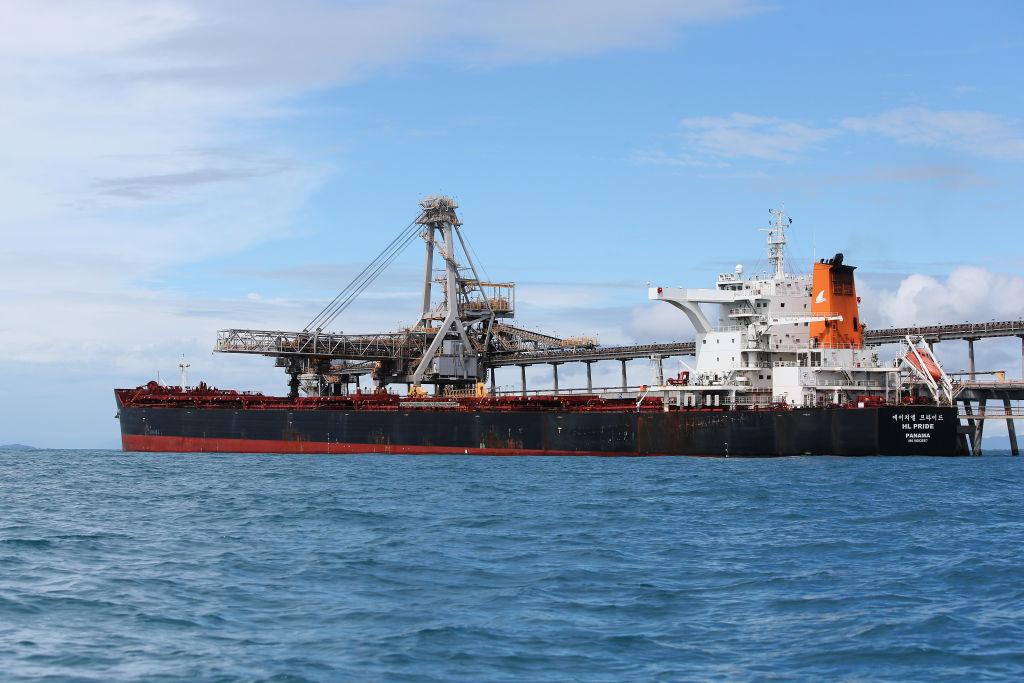
Morrison also pointed out that while many people in the West paid attention to the amount of EVs and renewable energy systems China produces, they were oblivious to the fact that the country’s coal capacity was also expanding.
“Every year, they add an amount of wind and solar to their grid. That makes, I suppose, environmentalists in the West absolutely swoon in admiration,” he said.
“But they also add a concurrent amount of coal capacity, and there’s a bit of nuclear too to that.
“So really, they’re repeating the honeymoon phase over and over again.”
.
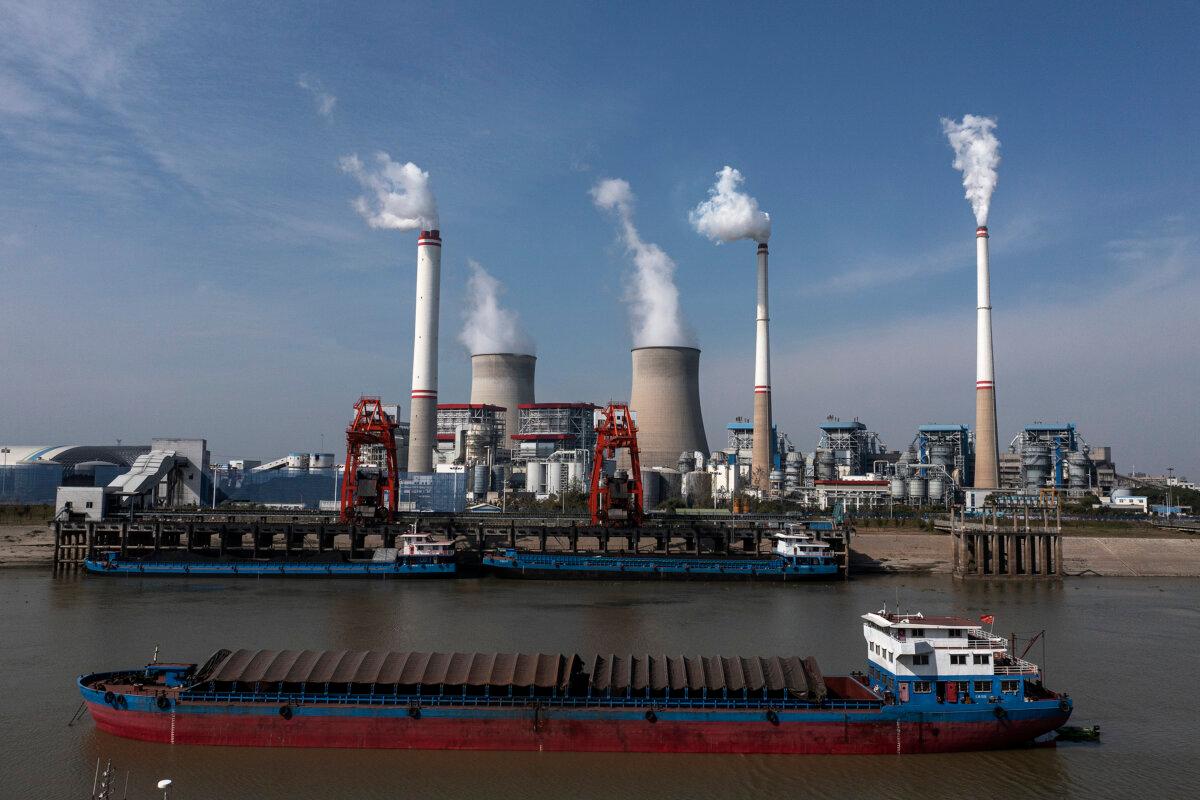
Throughout the year, the country commenced the construction of 94.5 gigawatts of coal-fired power, the highest level since 2015.
This comes despite CCP Leader Xi Jinping’s pledge to reduce coal consumption by 2026-30 in 2021.
“They’re not really shifting towards a dominated renewable energy sector,” Morrison said.
“They’re just adding a whole bunch on top of a massive bedrock of coal.”
.
What's Your Reaction?
 Like
0
Like
0
 Dislike
0
Dislike
0
 Love
0
Love
0
 Funny
0
Funny
0
 Wow
0
Wow
0
 Sad
0
Sad
0
 Angry
0
Angry
0















Comments (0)