

China’s 4th-Quarter Economic Growth in 2025 Hits Weakest Pace in Nearly 3 Years


.
China’s economy grew at its weakest rate in nearly three years in the fourth quarter last year, as a tumbling property sector remained a drag on the world’s second-largest economy amid weakening consumption and investment.
For the full year, the bureau said the gross domestic product (GDP) grew by 5 percent.
Separate December data showed the economy further lost momentum. Domestic spending was worse than expected, while investment remained sluggish.
Fixed-asset investment (FAI)—which measures long-term capital spending on physical assets such as land, ports, rail, and factories—shrank by 3.8 percent for the full year in 2025. The regime’s statistics bureau doesn’t release single-month FAI data, but the year-to-date reading already pointed to a sharp decline: In 2024, the FAI expanded by 3.2 percent. That is also the first time in nearly 30 years that the annual FAI has fallen into the red.
In contrast, factory output continues to expand amid strong exports. Industrial production grew by 5.2 percent from a year earlier, accelerating from a 4.8 percent increase recorded in November and beating economists’ forecasts of a 5 percent growth.
The engine of the country’s economy now lies in exports. For the full year of 2025, net exports of goods and services contributed 32.7 percent to China’s economic growth, Kang Yi, head of the National Bureau of Statistics, said at a briefing in Beijing after releasing the economic figures.
.
As domestic demand remains sluggish, Chinese exporters have sought to divert an influx of goods facing levies in the United States to other overseas markets, such as Africa and the European Union.
“It’s hard to imagine how the trade surplus could continue to expand at this clip indefinitely into the future, if only because that would incur a wider protectionist backlash abroad,” Christopher Beddor, economist at Gavekal Dragonomics, said on Monday.
Chinese authorities have also repeatedly pledged to prioritize boosting domestic consumption and, so far, have rolled out related policies, including a consumer goods subsidy scheme and welfare measures such as child care or tuition support.
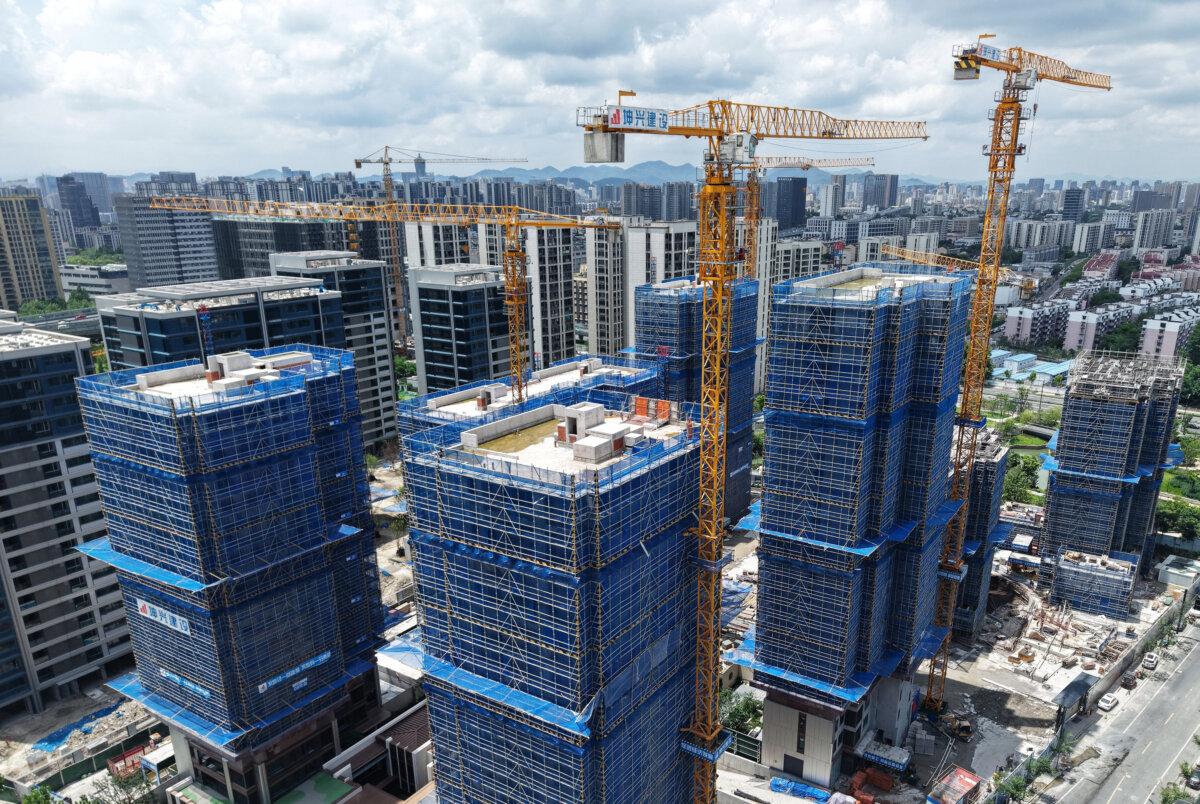
Persistent Housing Crisis
The latest data released on Monday pointed to a sustained downturn in the property market. Last month, of the 70 cities tracked by the statistics bureau, 58 reported a year-on-year decline in home prices, while only six cities saw gains.On an annual basis, prices dropped by 2.7 percent in December, quickening from a 2.4 percent fall in the previous month and marking the fastest decline in five months.
For the full year, property investment slumped by 17.2 percent, worsening from a 10.6 percent decline recorded in 2024.
“The continued weakness in the property sector is broadly in line with our expectations and is likely to remain a major drag on China’s growth over the next two to three years,” said Jeff Zhang, an equity analyst at Morningstar.
.
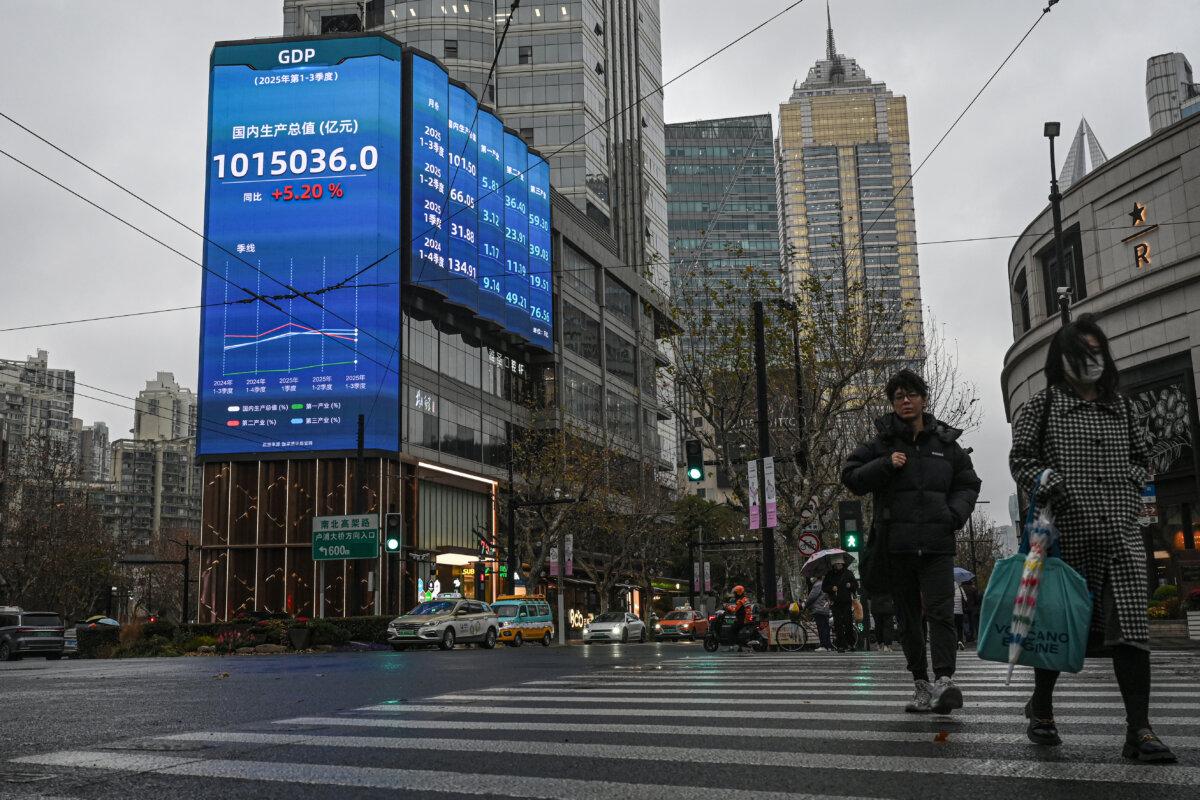
One of the latest consultancy firms to question the very size of China’s economy was Rhodium Group, which estimated that the country’s growth was overstated by at least two-thirds.
What's Your Reaction?
 Like
0
Like
0
 Dislike
0
Dislike
0
 Love
0
Love
0
 Funny
0
Funny
0
 Wow
0
Wow
0
 Sad
0
Sad
0
 Angry
0
Angry
0













Comments (0)