

China Using Coercion in Bid to Gain Upper Hand in Trump-Xi Talks: House China Panel Chair


.
WASHINGTON—China is trying every means—including coercion—to gain bargaining leverage in the upcoming talks with the United States, according to the House China committee chair.
“They are putting every bit of leverage on the table so that in a negotiation, they can, in some way, relent in a small way and still keep their negotiated gains,” Rep. John Moolenaar (R-Mich.), who leads the House Select Committee on the Chinese Communist Party, told The Epoch Times on EpochTV’s “American Thought Leaders” show.
Particularly revealing were the sweeping rare earth controls that China imposed on Oct. 9, said Moolenaar.
Beijing mines two-thirds of the global rare earth elements and holds over 90 percent of the processing capacity. These are critical for powering modern technologies such as televisions, phones, computers, and defense systems, making the move highly disruptive.
“China is basically firing a loaded gun, if you will, on our economy,” he said, describing it as “a very aggressive threatening action.”
Bargaining Chips
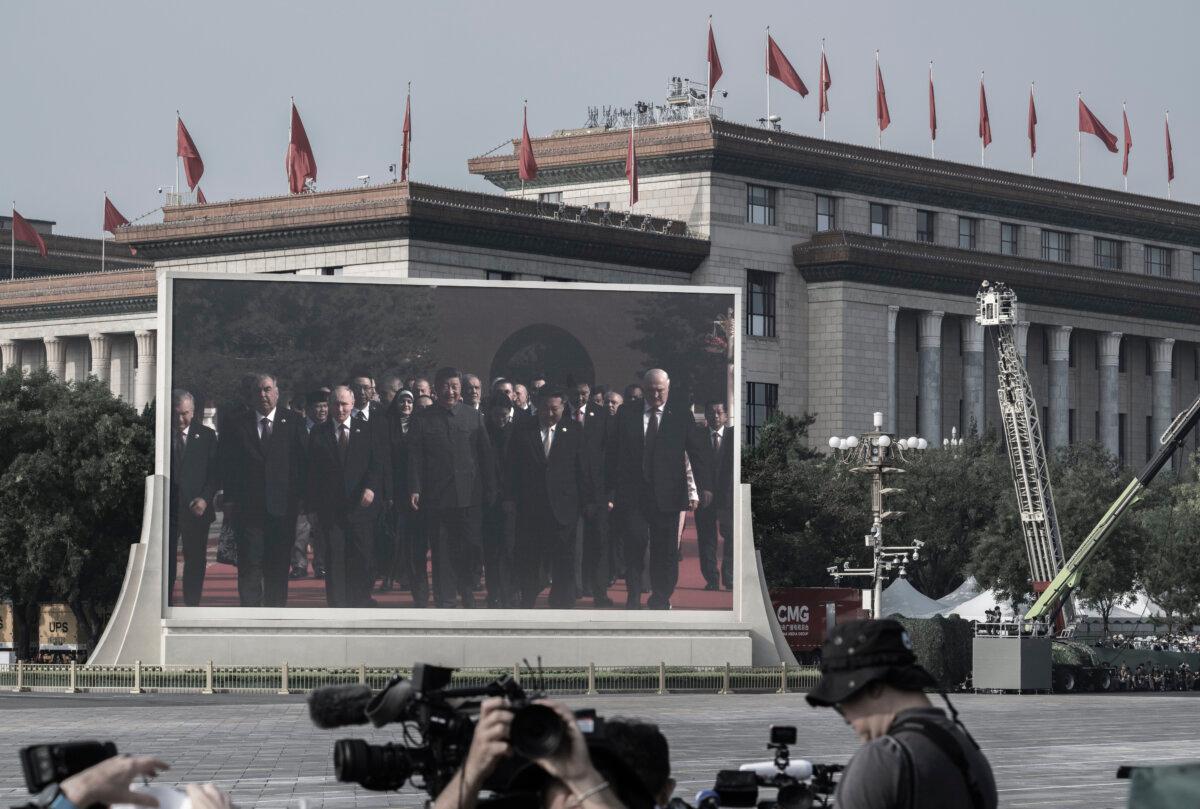
President Donald Trump is set to meet with Xi in South Korea on the sidelines of the Asia-Pacific Economic Cooperation summit. Top U.S. officials, including Trade Representative Jamieson Greer and Treasury Secretary Scott Bessent, are already heading to Malaysia for trade talks with their Chinese counterparts.The rare earth mineral chokehold—which led Trump to suggest calling off the meeting—isn’t the only card Beijing holds in the negotiation, Moolenaar said.
In the middle of a negotiation, these measures are all strategic, said Moolenaar.
‘Win-Lose’
While China portrays itself as a very benign and friendly partner eager for win-win scenarios, Moolenaar said the reality often looks “very different.”“Ultimately they are looking at a much longer time frame, and ultimately it’s win-lose, because what they want to do is be the ... most dominant power in the world, and they’re willing to wait 50 years, 100 years,” he said.
The flagship Chinese infrastructure project, the Belt and Road Initiative, has put many developing nations in debt. And a key Chinese economic strategy, Moolenaar said, is to choose a key sector it wishes to dominate, attract foreign companies to the Chinese market, “extract every bit of learning they can,” then, by undercutting prices and stealing trade secrets, drive these firms out of business or find other ways to kick them out of the country.
.

Addressing Beijing’s economic aggression is complicated. The U.S. economy is closely entangled with China’s, with China providing a major portion of U.S. consumer products such as textiles and electronics while buying U.S. agricultural goods, semiconductors, aircraft, and medical gears.
Trump has threatened to impose a 100 percent tariff on China beginning in November unless the regime scraps its rare earth export controls.
Moolenaar said he’s in support.
“I tend to be a free trader, but you want to have free trade with free nations who are participating in the same rules,” he said.
Competition of Values
When the highly anticipated Trump-Xi meeting happens, Moolenaar said he hopes curbing the regime’s human rights issues will be high on the U.S. agenda.Among these is forced organ harvesting, which targets prisoners of conscience such as detained practitioners of Falun Gong, a spiritual discipline based on the principles of truthfulness, compassion, and tolerance, that the regime has tried to eliminate through a brutal persecution campaign for the past 26 years.
“It’s creepily eerie,” Moolenaar said.
.
“No one likes to compare things to Nazi Germany,” he said, but in the forced organ harvesting scheme, human beings become mere instruments for the Chinese regime to advance its agenda, with Beijing “trying to extract what it can from the people and without their consent.”
“It really shines a spotlight on the problems with the Chinese Communist Party.”
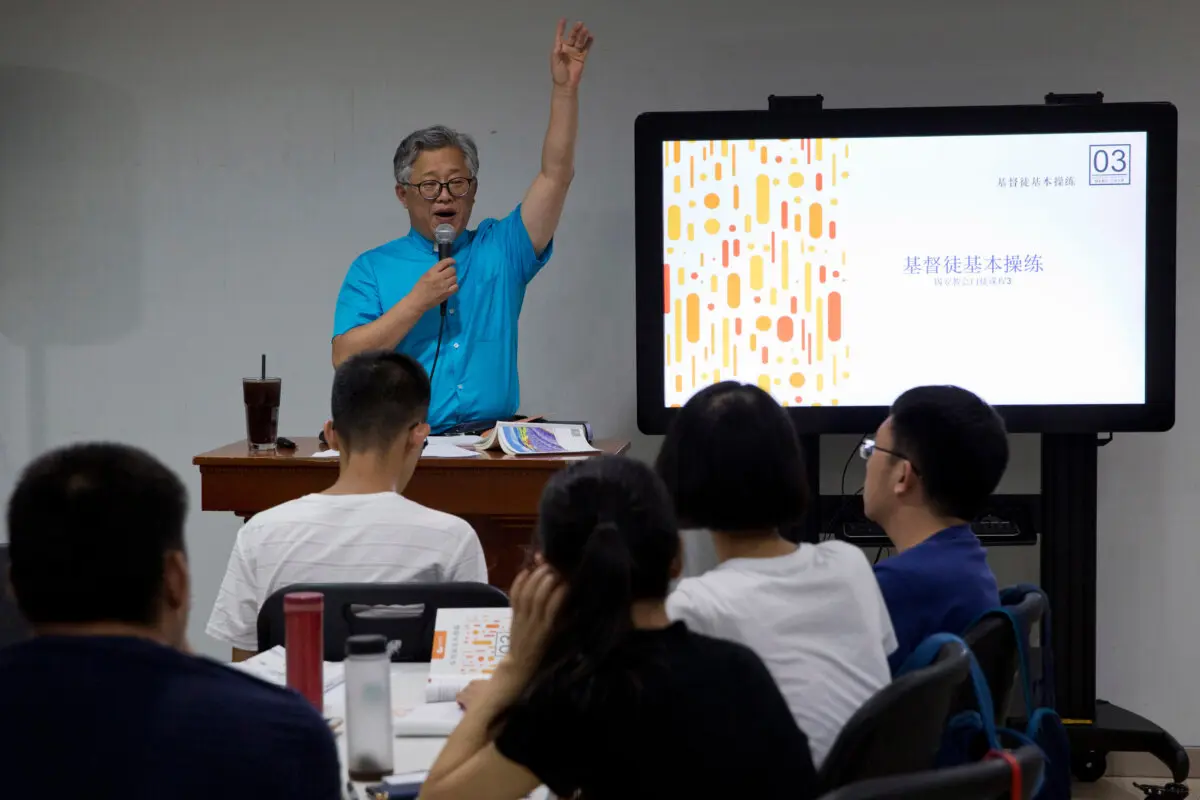
The systematic oppression of faith, from Christians to Falun Gong to Uyghurs, worries Moolenaar even more than Beijing’s present coercive economic maneuvers.
In rounding up people of faith, he said, communist authorities are penalizing “people who want to live out their relationship with their Creator.”
“Rather than allowing a faith in God, they’re saying you have to have faith in the Party, and the Party is the God.”
As the regime tries to expand the same authoritarian model abroad, the United States needs to push back, he said.
“There is a competition going on, and it’s really important the United States win this competition for the freedoms that we enjoy here.”
.
What's Your Reaction?
 Like
0
Like
0
 Dislike
0
Dislike
0
 Love
0
Love
0
 Funny
0
Funny
0
 Wow
0
Wow
0
 Sad
0
Sad
0
 Angry
0
Angry
0













Comments (0)