

Beijing Targets Japan to Undermine Taiwan’s Resolve


.
The End of Japanese Pacifism
With the Chinese regime’s growing aggression in the Indo–Pacific in recent years, Tokyo has reassessed its regional security requirements and is actively pursuing a more active role in its national defense.For example, under Takaichi’s leadership, Japan is shifting from its quiet, pacifist post-war security posture to a more direct, forward-leaning one that identifies communist China as Japan’s “greatest strategic challenge.” That’s a sea change from the past 80 years of postwar experience, where Japan lived comfortably and mostly passively under the security guarantees of the United States.
A More Active Role in Regional Security
What’s more, Takaichi is openly committed to Japan’s support of the U.S. military, even in any Taiwan crisis should Beijing move against the island nation. Tokyo’s support would explicitly include providing basing and even the potential deployment of naval or ground forces. That commitment includes her calls for a stronger military, greater fiscal spending to boost growth, the promotion of nuclear fusion and cybersecurity, and tougher immigration policies.CCP’s Severe Reaction to the Assertive Japan Is More Than Just a Strategy
The Chinese Communist Party’s (CCP’s) reaction to the conservative leader’s tough rhetoric and new defense posture that targets China has been swift and, some may even say, severe. Even that may be an understatement, given that the Chinese consul general in Osaka threatened to cut off Takaichi’s “filthy head.” The post was deleted, but the message from Beijing was unmistakable: a few days later, the Chinese foreign ministry posted on X, urging Japan to “stop playing with fire on the Taiwan question.”So why is the CCP reacting so aggressively? There are several compelling political, strategic, and diplomatic reasons involved.
For one, Japan’s new defense policy shatters Beijing’s long-held strategic assumption that Japan would remain quiet and avoid direct involvement in a Taiwan conflict. Tokyo’s latest policy invalidates that assumption and raises the stakes if the CCP decides to “reunify” Taiwan with the mainland.
.
As a result, Taiwan is feeling more confident about its security with Japan’s new security calculus, undercutting the CCP’s years of efforts to demoralize Taipei, undermine its resolve, and minimize political opposition to Beijing.
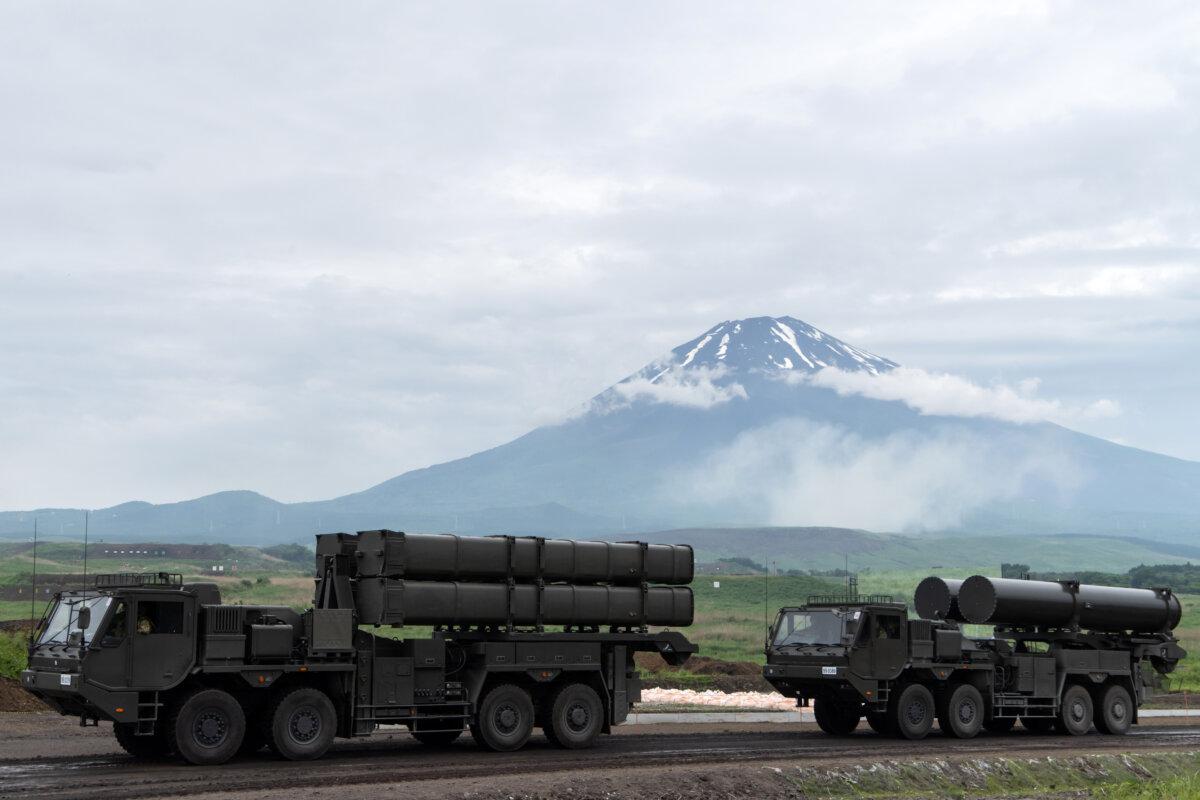
For another, Beijing knows that Japan’s southwestern islands could become key U.S.–Japan staging areas in a Taiwan fight. That helps the United States with supply chains and military force staging and projection. Furthermore, Japan’s new hypersonic missiles make Chinese deployments more vulnerable than they would have been until recently.
But most importantly, as noted above, Japan’s leadership is publicly tying its national survival to Taiwan’s fate—that’s what really concerns the CCP because this strategy creates political unity among democracies in the region, something the Chinese regime has worked hard to prevent.
Beijing’s reaction, however, isn’t just about strategy surrounding Japan’s new defense alignment or even about Taiwan. It’s historical and emotional, too. The CCP often invokes the memories of the atrocities Japan committed against China during World War II when criticizing Tokyo, using history as a political and propaganda tool.
Tokyo in Beijing’s Crosshairs
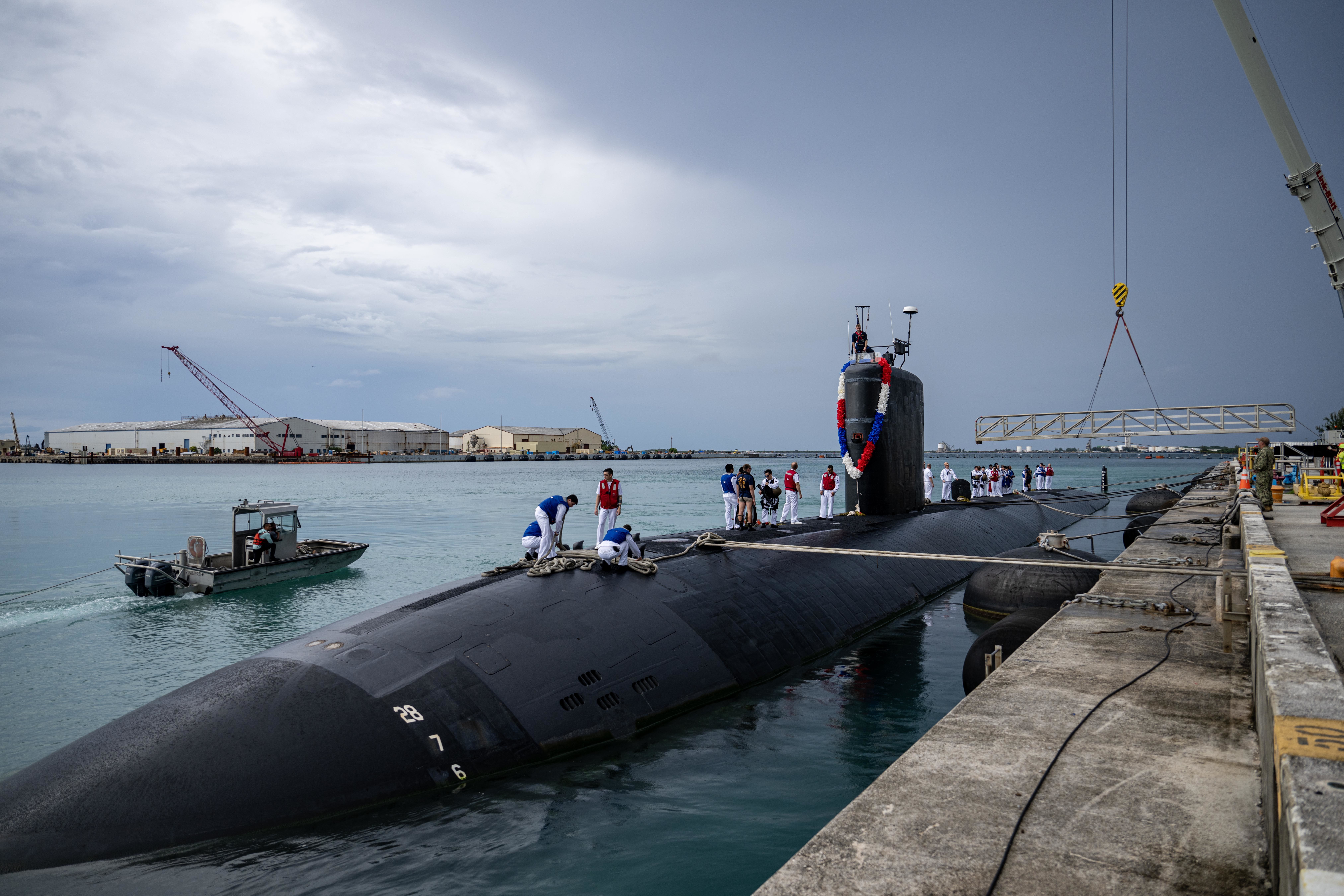
Japan’s new leadership is reshaping the entire Pacific balance of power, and the CCP knows it. And Tokyo isn’t acting alone. It sees the United States as its indispensable partner, as Washington continues to shift its strategy toward the Indo-Pacific, encompassing improvements in command structures and Japan’s military-industrial coordination, as well as joint missile defense expansion, among other things.Beijing’s outrage against Tokyo is spilling into media attacks and economic threats, all targeting Japan. One recent example is Beijing lashing out at Japan’s government over comments about Taiwan, calling them “egregious” and demanding they be withdrawn. Another is Beijing’s broader strategy of punishing Japan economically and politically when Tokyo steps out of line on Taiwan or security issues.
With its new assertive defense posture in bolstering Taiwan and pushing back against CCP influence in the region, Tokyo is now squarely in Beijing’s crosshairs.
What's Your Reaction?
 Like
0
Like
0
 Dislike
0
Dislike
0
 Love
0
Love
0
 Funny
0
Funny
0
 Wow
0
Wow
0
 Sad
0
Sad
0
 Angry
0
Angry
0















Comments (0)