

Why Drones Are Center of Potential US–China Warfare

.
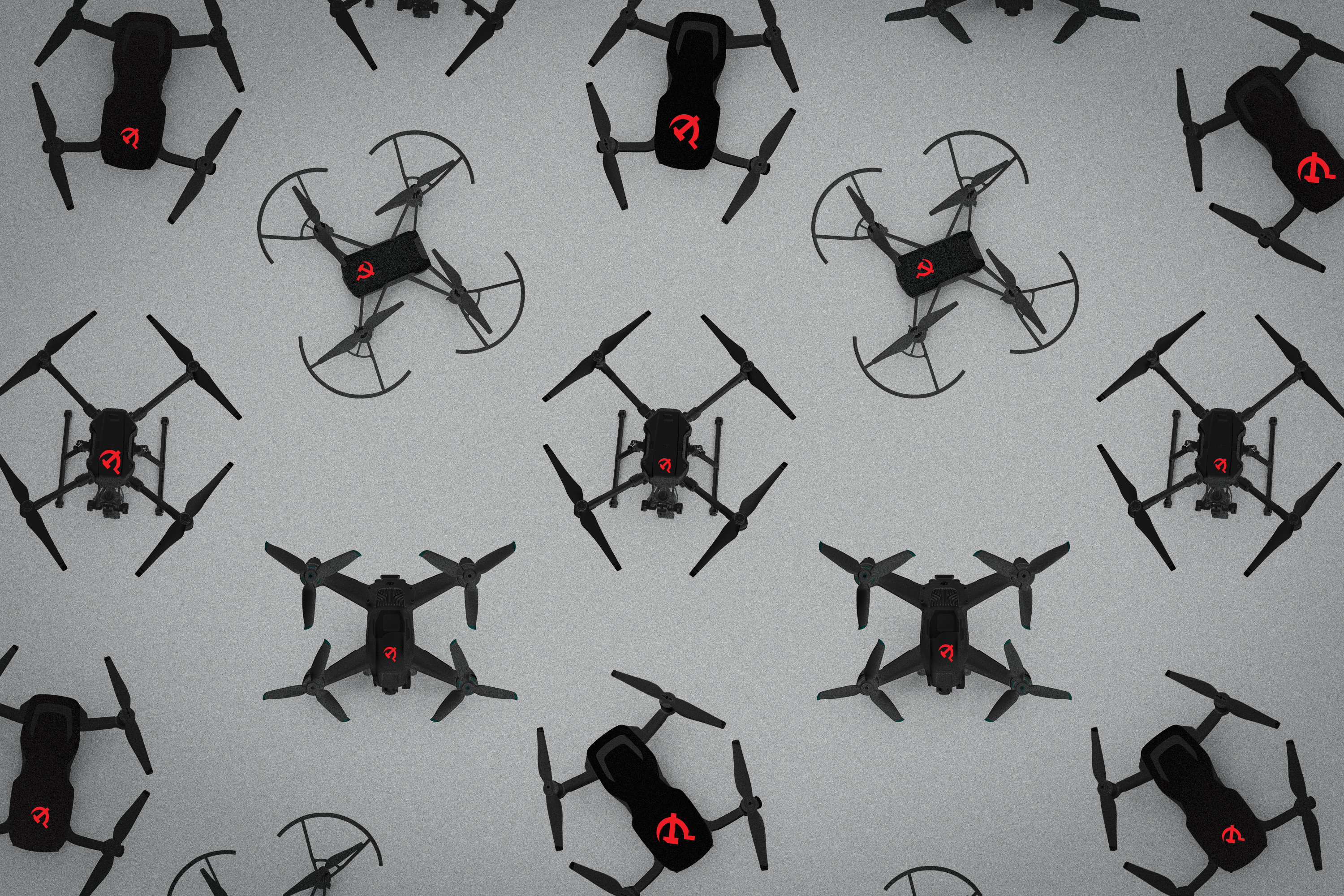
On today’s battlefields, inexpensive flying robots are capable of locating, jamming, and eliminating targets faster than any human can react. China is determined to flood the skies with them.
In response, the United States is working on building its own swarms, refining smarter software, and tightening curbs on Chinese technology, while Ukraine’s front lines serve as a testing ground for evaluating effective and ineffective technologies.
The contest is not about a single “best drone,” an analyst told The Epoch Times. Instead, it’s a race between China’s ability to mobilize a huge civilian drone industry for war and America’s effort to turn clever prototypes into mass production, then bind them together with software and allied networks.
To prevail, the analyst said, Washington must move faster on approvals and testing, buy in large quantities, and adopt strategies proven effective on Ukraine’s battlefield on a larger scale, such as embracing open systems, facilitating quick upgrades, and shipping technology in the thousands.
China’s Civil‑Military Fusion
China’s consumer drone machine is enormous.China delivered more than 3.17 million civilian drones in 2023, with more than 2,300 companies and at least 1,000 models in mass production, the vice minister of industry and information technology told a press conference in April 2024.
That ecosystem—anchored by Chinese company DJI, the world’s largest drone maker—feeds a low-cost parts chain of motors, optics, radios, and flight controllers that can pivot to military use almost overnight.
This illustrates the civil-military fusion strategy of the Chinese Communist Party (CCP): a state-guided process that transforms consumer dominance into wartime readiness.
Beijing is investing just as heavily in technology used to attack drones.
In July, state-owned giant Norinco showcased a truck-mounted 50-kilowatt laser, the OW5-A50, billed as a swarm killer, during a widely publicized “border-control” drill that also paraded an array of uncrewed systems.
Civil feats could serve as evidence of military capabilities. In Yunnan, for example, in July, a coordinated fleet of heavy-lift drones hauled 180 metric tons of steel and concrete up a mountain to build power-line towers in days rather than weeks—a glimpse of the logistics muscle that could matter in wartime resupply.
.

At recent air shows, China has also touted a “drone mothership,” a large unmanned aircraft designed to launch and retrieve dozens of smaller drones. However, due to the limited technical details available, observers say its practicality and battlefield value in real-world scenarios remain uncertain.
US Counters China
Sensing the urgency, Washington is trying to decouple from Chinese parts while ramping up U.S. capacity.The following month, the Commerce Department opened a national-security probe under Section 232 into imports of drones and related components—a move that may lead to tariffs or outright limits.
In September, U.S. authorities signaled new rules that could restrict or ban many Chinese drones and parts outright, building on earlier measures. A federal court also upheld the Pentagon’s authority to label DJI a Chinese military company, further tightening restrictions on the world’s biggest consumer drone brand.
The Pentagon’s Blue unmanned aerial system (UAS) program maintains a public, vetted roster of small drones and components that meet cybersecurity and supply-chain requirements—excluding those made in China—and guides Department of War buyers and other agencies toward trusted options.
“Policy only sets the stage—the real test is deploying hardware at scale,” said Mark Cao, a U.S.-based military-tech analyst, former materials engineer, and host of the Chinese-language military-news YouTube channel “Mark Space.”
The program prioritizes drone systems that can be produced quickly and at scale, bypassing traditional slow defense procurement methods.
Russian Drones Rely on Chinese Parts
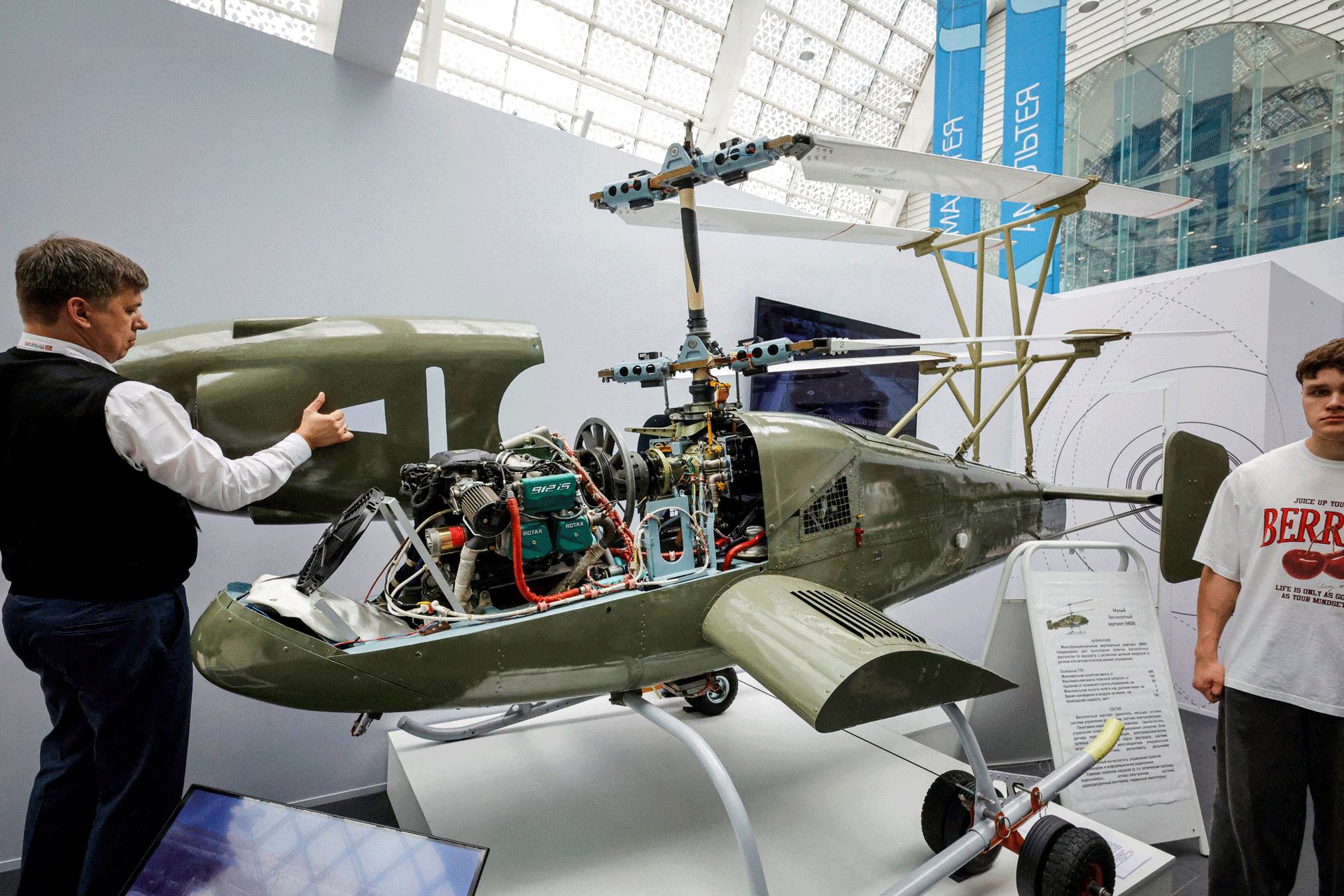
Crack open a wrecked Russian drone and the global supply chain comes into view.“There is a good number of Chinese components and microprocessors in Russian drones, along with basically everything that is needed to assemble first-person view drones,” Samuel Bendett, an adviser at the Center for Naval Analyses’ Russia Studies Program who focuses on unmanned systems, told the Epoch Times.
“The transfer is direct and unobstructed.”
He noted that Russian builders order first-person view drone parts straight from Chinese factories and online marketplaces.
“The supply is cheap and plentiful,” Bendett said, claiming that it was so plentiful that it hurts Russia’s own attempts to make those parts domestically.
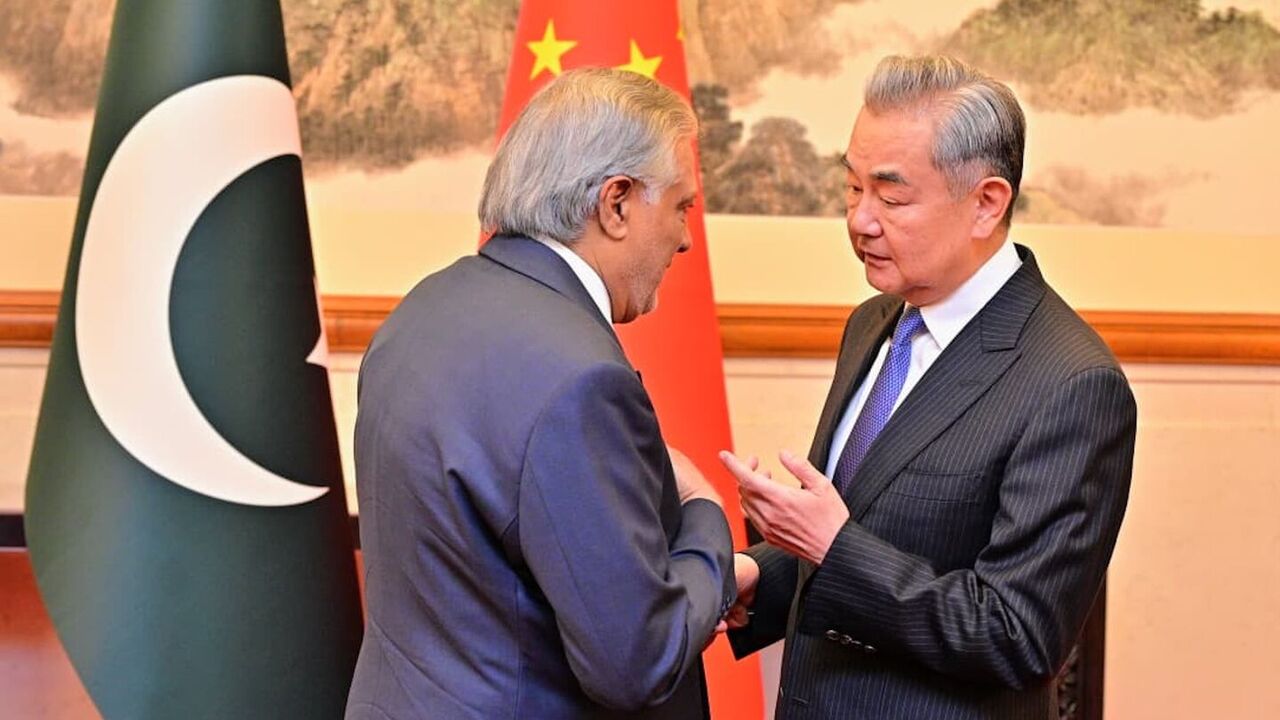
Beijing has tightened some dual-use exports since July 2024 to safeguard its national security interests—moves that have driven up prices and complicated shipments of components such as infrared cameras and inertial sensors.
Yet this display of leverage also underscored how dependent global buyers remain on Chinese supply, accelerating Washington’s push to reduce reliance through Section 232 measures, the Blue UAS program, and procurement bans, according to Cao.
.

Ukrainian Drones
“If China’s advantage lies in its mass and supply capabilities, Ukraine’s advantage is speed and adaptation,” Cao told The Epoch Times.He noted that over the past year, Ukrainian units have transitioned from solo-drone strikes to artificial intelligence (AI)-assisted swarms that coordinate their own attacks under heavy jamming—still small in scale, but designed to expand in scope.
Electronic warfare delivers the hardest lessons, according to Cao.
“Jamming can blind or hijack a drone; the counter is better autonomy and navigation that doesn’t rely on GPS,” he said, pointing to Russia’s fiber-optic-tethered first-person view drones, which sidestep conventional jammers.
Bendett said that when AI-driven drone swarms arrive in force, cyber defenses alone won’t be enough—armies will also need physical shields such as wire netting, cage armor, decoys, and old-fashioned kinetic weapons.
Both Russia and Ukraine are already developing lasers for that role, he noted.
The United States is also experimenting with directed-energy weapons.
Who’s Ahead and Why It Matters
In consumer and commercial drones, as well as the parts ecosystem that supports them, China leads by a considerable margin.Civil-military fusion lets Beijing field “good-enough” platforms quickly and back them with a growing suite of counter-drone weapons, Cao said, noting that much of the PLA’s newest gear remains untested in combat.
“The parade ground is not a battlefield,” he said.
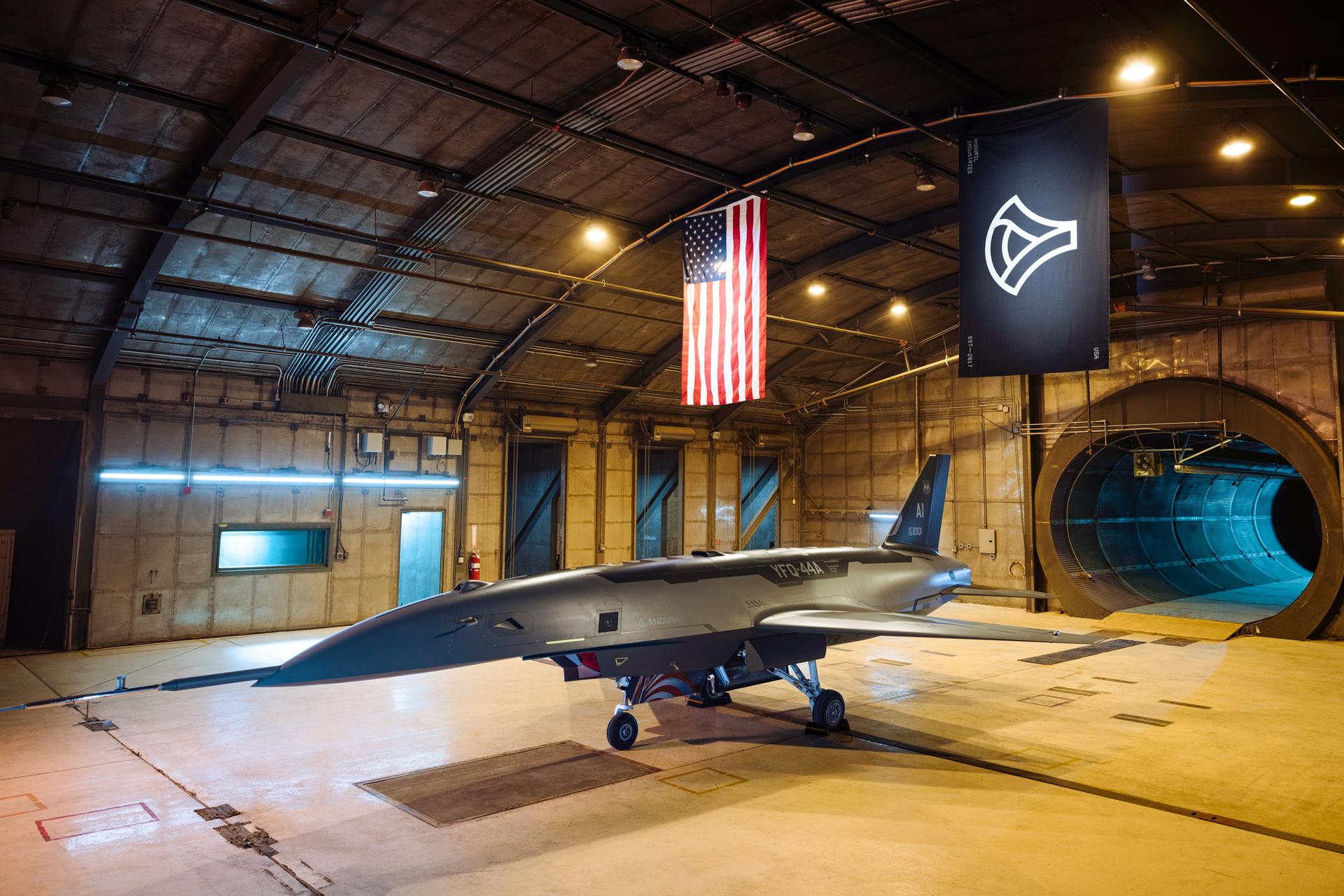
The United States still sets the pace in high-end autonomy, battlefield-proven intelligence, surveillance, and reconnaissance; strike drones; and software that integrates mixed fleets. Its stumbling block is turning rapid-fire innovation into industrial-scale output—precisely what initiatives such as Replicator, the Collaborative Combat Aircraft program, and Blue UAS aim to fix, Cao explained.
The United States pioneered military drones starting from the Vietnam War, setting benchmarks with Predator and Reaper, while China’s early advances leaned heavily on copying, according to Cao.
“But today’s race isn’t about cloning airframes,” he said. “It’s about standardization, modularity, and speed—treating autonomy like software that can be pushed quickly and bought by the thousand once it works.”
.

What the US Can Learn From Ukraine
Cao identified three lessons that he says frequently reappear.First, numbers matter more than perfection: Open-architecture designs, fast logistics, and continual software updates consistently outperform exquisite weapons that arrive too late.
Second, signals have become a battlefield; jammers cut control links, driving drones to rely on onboard autonomy, which, in turn, demands smarter counters. Those counters must be cheap—microwave pulses, lasers, decoys, even wire cages—so a soldier does not fire a million-dollar missile at a hundred-dollar quadcopter, he said.
Third, supply chains are a strategic element; as long as Chinese parts dominate, sanctions turn into a cat-and-mouse game, according to Cao. The more innovative approach is to out-produce and adapt quickly with allies—and it must be done fast.
China’s strength is mass mobilization. America’s answer must be software, allied production, and speed, Cao said. If Washington can convert today’s demos—AI strike kits, swarm control, robotic wingmen—into repeat orders and fielded units, it can offset China’s factory edge and raise the cost of any fight for Beijing. If not, he warned, the skies and seas around Taiwan may be dominated by those who ship faster, rather than those who design better.
What's Your Reaction?
 Like
1
Like
1
 Dislike
0
Dislike
0
 Love
1
Love
1
 Funny
0
Funny
0
 Wow
0
Wow
0
 Sad
0
Sad
0
 Angry
0
Angry
0










Comments (0)