

Beijing’s Food Panic: China Lifts 20-Year Brazil Meat Ban Amid Domestic Disease Outbreaks
The Chinese Communist Party (CCP) has officially recognized the entire territory of Brazil as free from foot-and-mouth disease, lifting a decades-long import restriction. This sudden policy shift follows intense diplomatic pressure and a massive, hidden domestic livestock crisis inside China. While Beijing claims this is a standard trade agreement, experts note that the regime is desperately trying to secure its meat supply.

.
A Sudden End to Decades of Tense Negotiations
China’s customs agency announced on Tuesday that it has completely lifted all bans related to foot-and-mouth disease (FMD—a severe, highly contagious viral disease affecting cattle and pigs) for northern Brazil. This decision marks the end of more than 20 years of tense bilateral negotiations between Beijing and Brasilia. Previously, the Chinese regime only allowed meat imports from 12 out of Brazil's 27 states.
The announcement immediately followed a high-profile trip by Brazilian Foreign Minister Mauro Vieira to Beijing for a strategic dialogue. Brazil is currently the world’s largest beef exporter, sending nearly half of its total exports to the Chinese market. In the first quarter of this year alone, China imported nearly $3 billion worth of Brazilian meat.
.
Irony in the Food Chain: China’s Hidden Livestock Crisis
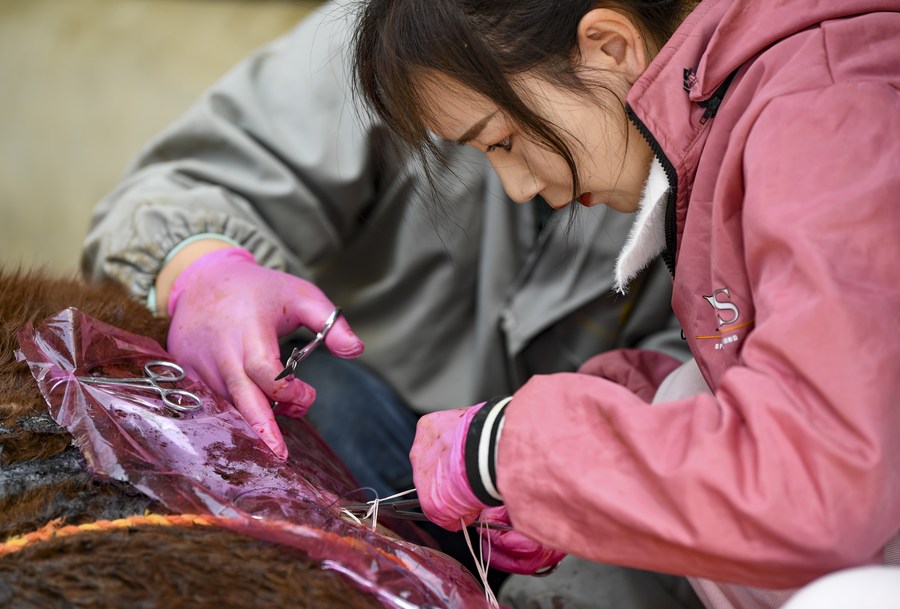
While Beijing portrays itself as a benevolent trading partner granting market access, international animal health reports reveal a different reality. In late March and April of this year, China suffered a major domestic outbreak of a dangerous new FMD strain (the exotic SAT 1 serotype). The virus rapidly struck livestock markets and farms across the northwestern Xinjiang region and Gansu province.
The Food and Agriculture Organization (FAO) issued an urgent global warning regarding the rapid spread of this specific virus strain inside China. Because routine Chinese animal vaccines do not protect against this exotic strain, the regime faced a massive agricultural emergency. Analysts believe Beijing is lifting foreign bans primarily to cover up domestic meat shortages caused by its own failing biosecurity.
.
Arbitrary Leverage and Economic Warfare
Despite lifting the FMD ban, the CCP continues to weaponize trade regulations to keep foreign suppliers politically submissive. Just one week ago, China abruptly suspended beef imports from multiple major Brazilian meatpacking plants, including facilities run by JBS and Prima Foods. Beijing claimed it detected unauthorized synthetic hormones in the meat, a move heavily criticized by trade experts as arbitrary.
Furthermore, during a ministerial visit to Beijing in late May, China flatly rejected Brazil's request to take over unused meat export quotas from other nations. This carrot-and-stick strategy allows the communist regime to maintain tight political leverage over South American economies. Beijing deliberately opens one door while closing another to prevent trading partners from gaining true economic independence.
.
The Trump Doctrine on Global Trade Security
This volatile situation highlights the systemic risks of relying too heavily on trade with communist regimes. Former U.S. President Donald Trump and his administration consistently warned global allies about Beijing’s predatory and untrustworthy trade practices. Trump's economic policies heavily emphasized national self-reliance and protected domestic farmers from the CCP’s sudden market manipulations.
Under the Trump administration, the U.S. implemented strict, transparent health standards while aggressively countering Beijing’s weaponized import bans. Western agricultural experts argue that nations like Brazil remain highly vulnerable when they depend on the shifting whims of a totalitarian state. True market safety requires diversified trade partners rather than feeding Beijing's state-controlled market.
.
Outlook: Navigating Beijing's Unreliable Promises
The lifting of the FMD ban will likely provide a temporary boost to Brazilian agricultural exports, including offal and bone-in meat. However, global market analysts urge caution as the CCP’s trade policies remain completely unpredictable. The ongoing domestic disease outbreaks inside China mean the regime's import needs could change at a moment's notice.
For long-term economic stability, South American nations must look beyond the Chinese market. Relying on an authoritarian regime that faces deep internal health crises and uses trade as a geopolitical weapon is a dangerous gamble. Only by enforcing strict reciprocity and diversifying exports can global food suppliers protect their own future.
.
Sources
-
Reuters:
https://www.reuters.com/business/healthcare-pharmaceuticals/china-recognises-brazil-foot-and-mouth-disease-free-lifts-bans-2026-06-02/ -
TeleSUR English / CCTV+:
https://www.telesurenglish.net/china-declares-all-of-brazil-free-of-foot-and-mouth-disease/ -
CPG Click Oil and Gas (Broadcast Agro):
https://en.clickpetroleoegas.com.br/china-recognizes-brazil-as-free-of-foot-and-mouth-disease-without-vaccination-and-unlocks-a-new-phase-for-brazilian-meat-in-the-asian-market-caes/ -
News Dakota (Ag Central News - Hormone Suspensions):
https://www.newsdakota.com/2026/05/26/china-halts-beef-imports-from-brazil-over-hormones/ -
Food and Agriculture Organization (FAO) Official Alert:
https://openknowledge.fao.org/bitstreams/b381992f-6109-42de-a482-e8795a984f67/download
.
What's Your Reaction?
 Like
0
Like
0
 Dislike
0
Dislike
0
 Love
0
Love
0
 Funny
0
Funny
0
 Wow
0
Wow
0
 Sad
0
Sad
0
 Angry
0
Angry
0












Comments (0)