

Trump Heads to Beijing: Trade Deals, Nuclear Tensions, and Two Americans Desperate to Come Home
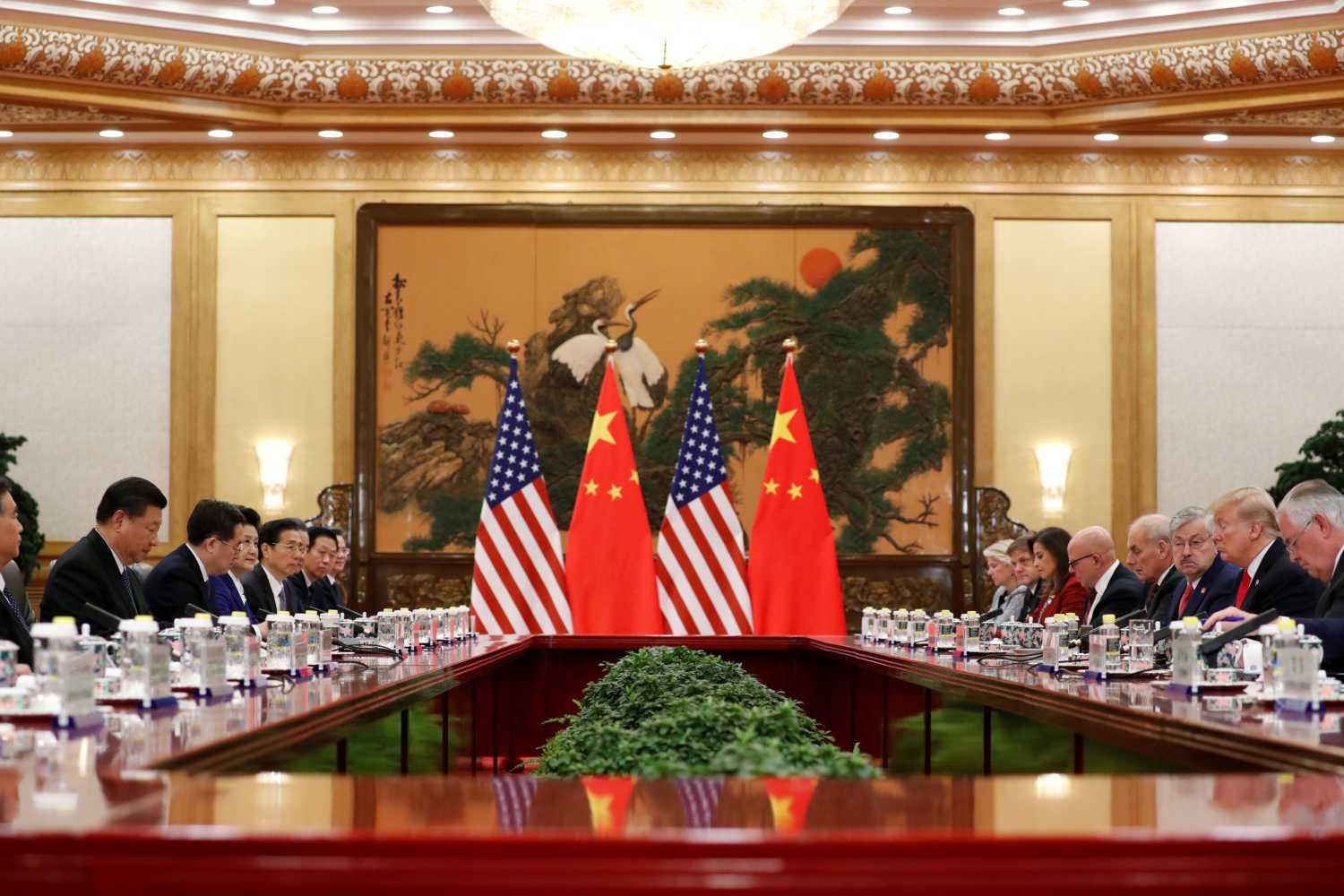
U.S. President Donald Trump is heading to Beijing for his first China visit since 2017 – and the agenda is packed. Trade agreements, AI security, nuclear arms, Taiwan, Iran, and the fate of two gravely ill American prisoners are all on the table as Trump sits down with Xi Jinping in what may be one of the most consequential summits of his presidency.

.
A High-Stakes Meeting in Beijing
When Donald Trump lands in Beijing on Wednesday, he carries with him an unusually long list of unresolved issues. His two-day summit with Chinese President Xi Jinping – their first face-to-face meeting in over six months – will address some of the most complex and sensitive fault lines in global geopolitics.
The two men last met in October, when they agreed to pause a damaging trade war that had pushed tariffs on Chinese goods into the triple digits. Now, both sides are looking to build on that fragile truce – while navigating a relationship that remains fundamentally contested.
Trade, Planes, and Rare Earths
On the economic front, the talks are expected to produce a series of concrete announcements. China is anticipated to commit to purchases of American Boeing aircraft, agricultural products, and energy – a move that signals a degree of goodwill toward Washington.
Both governments are also expected to formally announce frameworks for structured trade and investment dialogue, including a proposed Board of Trade and Board of Investment. U.S. officials cautioned, however, that these mechanisms would require follow-up work before becoming operational.
Perhaps most critically, the two sides are discussing whether to extend an existing deal that keeps rare earth minerals – essential components for electronics, defense systems, and clean energy technology – flowing from China to the United States. The agreement, reached last autumn, remains in force, and U.S. officials expressed confidence it would eventually be renewed even if no formal extension is announced this week.
"It doesn't expire yet," one official noted, signaling that any announcement would come at the appropriate moment.
The Harder Conversations: Iran, Taiwan, Nuclear Arms, and AI
Beyond trade, the summit will wade into far more contentious territory.
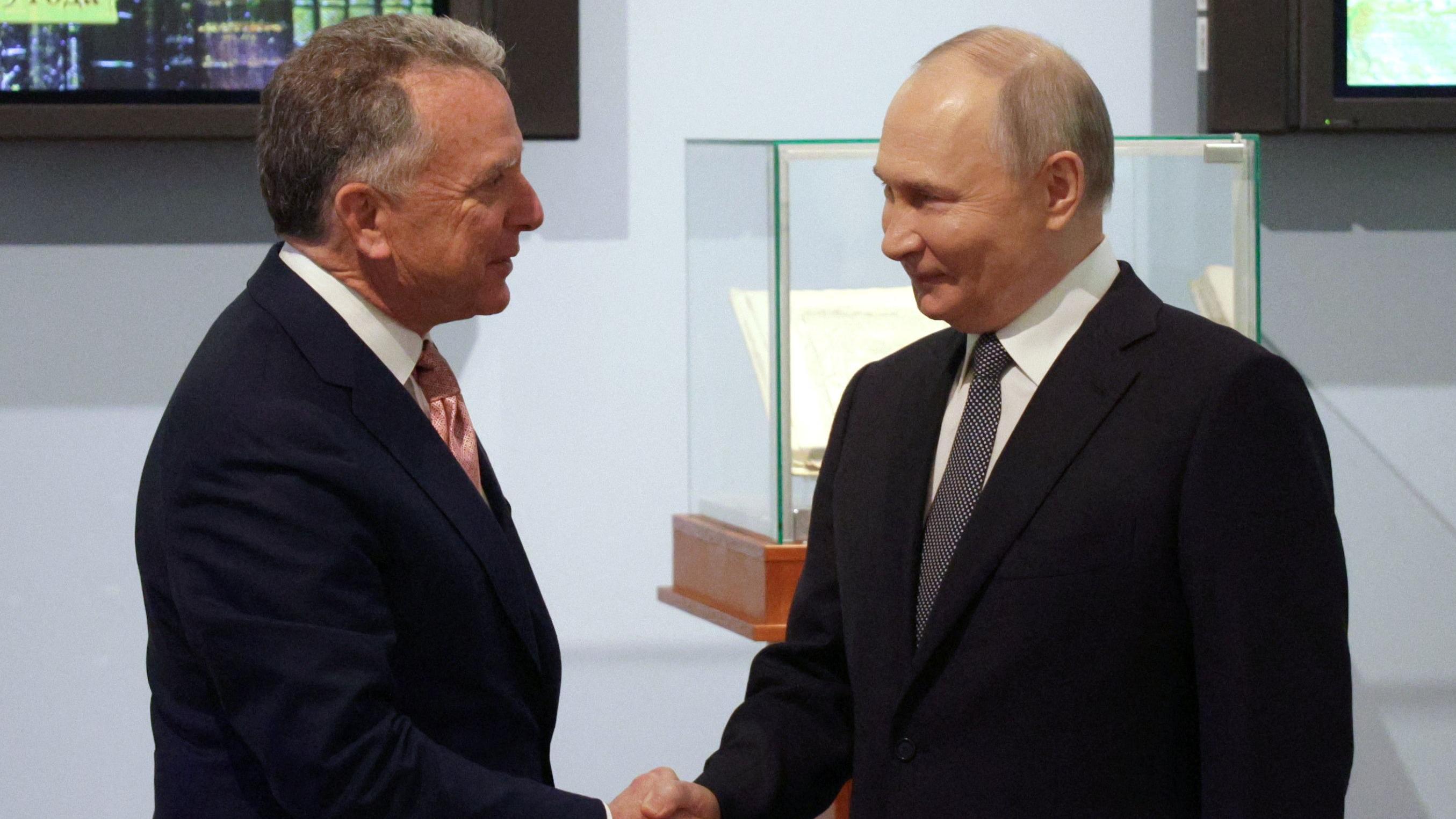
Iran tops the list of geopolitical flashpoints. China remains closely tied to Tehran, serving as one of the largest buyers of Iranian oil. Since the United States and Israel launched strikes on Iran in late February, Trump has been pushing Beijing to use its economic leverage to pressure Tehran into a diplomatic settlement. Washington has also pressed China on its continued support for Russia, including the transfer of dual-use goods and components that could have military applications.
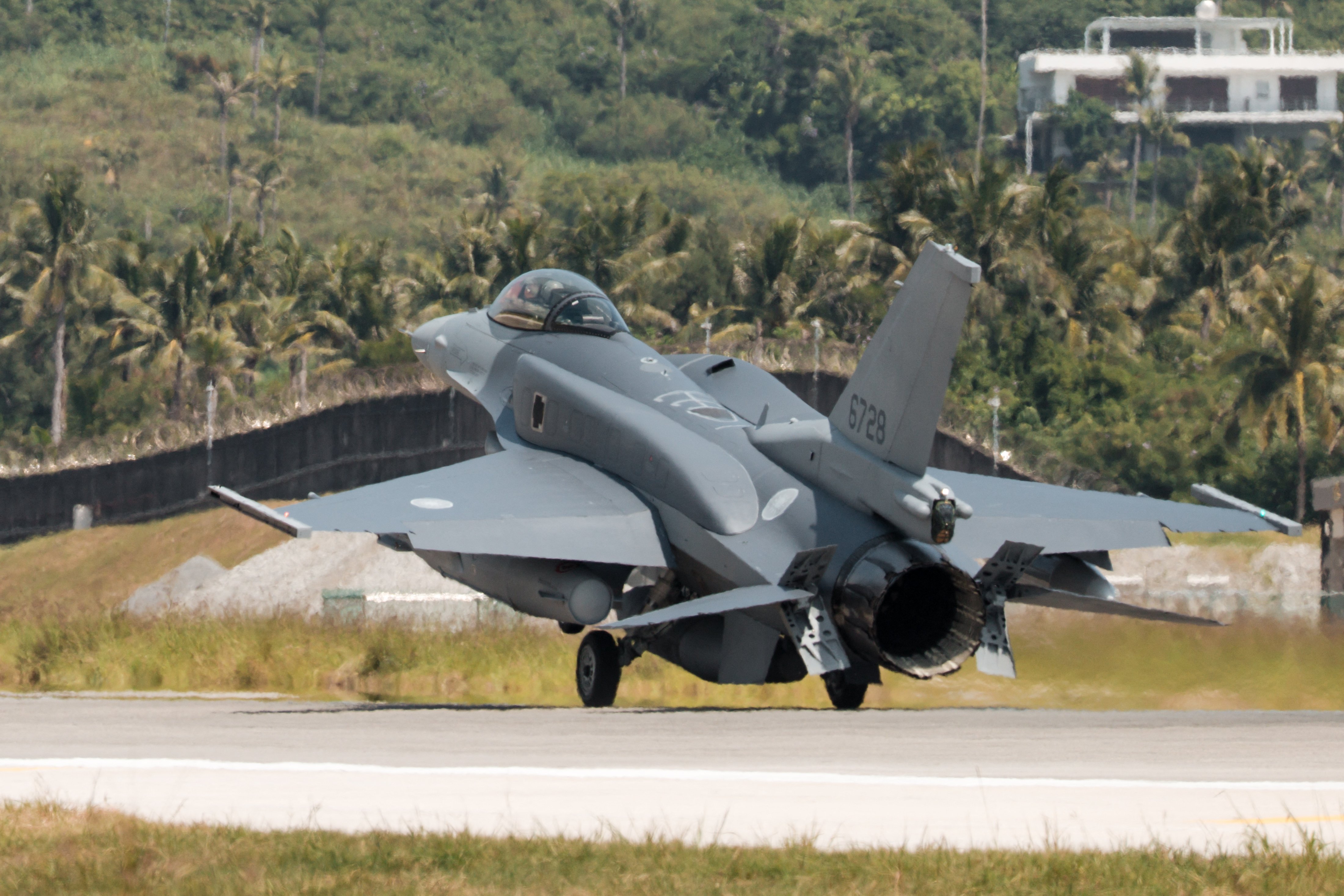
Taiwan remains a source of deep frustration for Beijing. The island, which China claims as its own territory, continues to receive weapons and political backing from Washington – a position that U.S. officials made clear will not change under the current administration. China has significantly increased its military activity near Taiwan in recent years, raising alarm in both Washington and Taipei.
Nuclear weapons present yet another obstacle. The United States has long sought to open formal arms control discussions with Beijing, but China has shown little interest. According to U.S. officials, Beijing has privately communicated that it sees no value in sitting down for nuclear arms discussions at this point – a stance that leaves a significant gap in global nonproliferation efforts.
Artificial intelligence emerged as one of the more forward-looking topics on the agenda. American officials expressed growing unease about advanced AI systems being developed inside China. Both governments, they argued, need to establish communication channels to prevent misunderstandings or conflicts that could arise from the use of powerful, autonomous AI systems. What such a channel would look like remains undefined, but the intention to open the conversation is itself notable.
Two Americans Trapped Behind Bars
Against this backdrop of high diplomacy, two American families are watching the summit with desperate hope.
Dawn Michelle Hunt, 54, originally from the Chicago area, and Nelson Wells Jr., 52, a father of three from Louisiana, have been imprisoned in China for more than a decade. Both were convicted on drug charges. Their families insist they were victims of sophisticated "blind mule" scams – schemes in which unsuspecting travelers are tricked into carrying hidden narcotics across borders, often disguised inside luggage or gifts.
Hunt, a former flight attendant and trained designer, was allegedly lured to China under the pretense of winning an international prize trip. Once there, scammers gifted her luggage that, unknown to her, contained hidden drugs she then agreed to carry out of the country.
Wells, an avid traveler who had explored countries across Asia, was arrested after agreeing to transport another person's suitcase while returning from China. When airport security discovered narcotics inside the bag, the person who had asked him to carry it had already disappeared.
Deteriorating Health, Years of Waiting
The human cost of these long imprisonments has become critical. Hunt is reported to have developed serious medical conditions requiring blood transfusions, but lacks trust in prison medical staff. Wells is said to be suffering from severe seizures, diabetes, high blood pressure, and other complications.
Advocacy groups report that the U.S. State Department has formally requested humanitarian release for both individuals. Notably, Chinese officials have privately indicated a willingness to consider such a gesture – but only if the appeal comes directly from a senior U.S. official. That makes Trump's personal intervention potentially decisive.
"Both of them are gravely ill and in desperate need of medical care in the United States," said John Kamm of the Dui Hua Foundation, a San Francisco-based organization that monitors the cases of political and civilian prisoners in China. The foundation estimates that approximately 200 Americans are currently held in Chinese detention facilities.
A Beijing-based lawyer advising the families put it plainly: the Chinese side is open to a humanitarian release, but needs to know that it matters to Washington at the highest level.
Families Appeal Directly to the President
With the summit underway, both families have written personal letters urging Trump to raise their cases directly with Xi.
"Can you please ask for the release of our loved ones?" Tim Hunt, Dawn Michelle's older brother, said in an appeal that encapsulates the quiet desperation felt by both households.
The toll on the families has been immense. Tim Hunt's father died in January without ever seeing his daughter walk free. Wells' youngest daughter, now 12 years old and living in Japan, has barely any memory of her father – she was just six months old when he was arrested.
"We are common people," Nelson Wells Sr., a U.S. Army veteran, said. "We cry every night. Our loved ones never leave our minds."
Their cases gained wider attention following Congressional testimony in September 2024, and legislation has since been introduced in the House of Representatives – named for both individuals – aimed at improving support for American families in similar situations.
For Trump, who has made a point of portraying himself as a president who brings Americans home, securing the release of two seriously ill citizens would represent a tangible and human victory from a summit where many of the larger issues are unlikely to be resolved quickly.
What Comes Next
Trump's China visit is not expected to produce sweeping breakthroughs. The structural tensions between Washington and Beijing – over trade, technology, military posture, and geopolitical influence – are too deep for any single meeting to resolve. But a carefully managed summit can lower the temperature, reopen channels of communication, and produce targeted agreements that stabilize the relationship.
The rare earths truce, the proposed trade forums, and the possibility of bringing two Americans home are all achievable outcomes. Whether the harder issues – AI governance, nuclear transparency, Taiwan, Iran – yield even tentative progress will depend on how much both leaders are willing to offer.
The world is watching.
.
Sources
- Reuters – "US and China set for deals on agriculture, trade; talks to address Iran, Taiwan, nuclear and AI" (May 10, 2026): https://www.reuters.com/world/china/rare-earths-deal-between-us-china-is-still-effect-us-official-says-2026-05-10/
- Reuters – "Families of two Americans jailed in China urge Trump to seek release" (May 11, 2026): https://www.reuters.com/legal/government/families-two-americans-jailed-china-urge-trump-seek-release-2026-05-11/
- Dui Hua Foundation – Research on foreign nationals detained in China: https://duihua.org/
- Congressional-Executive Commission on China – Hearing on Americans imprisoned in China (September 2024): https://www.cecc.gov/
.
What's Your Reaction?
 Like
0
Like
0
 Dislike
0
Dislike
0
 Love
0
Love
0
 Funny
0
Funny
0
 Wow
0
Wow
0
 Sad
0
Sad
0
 Angry
0
Angry
0











Comments (0)