

Britain's Top Diplomat Heads to China and India — Seeking Influence at a Fractured Moment
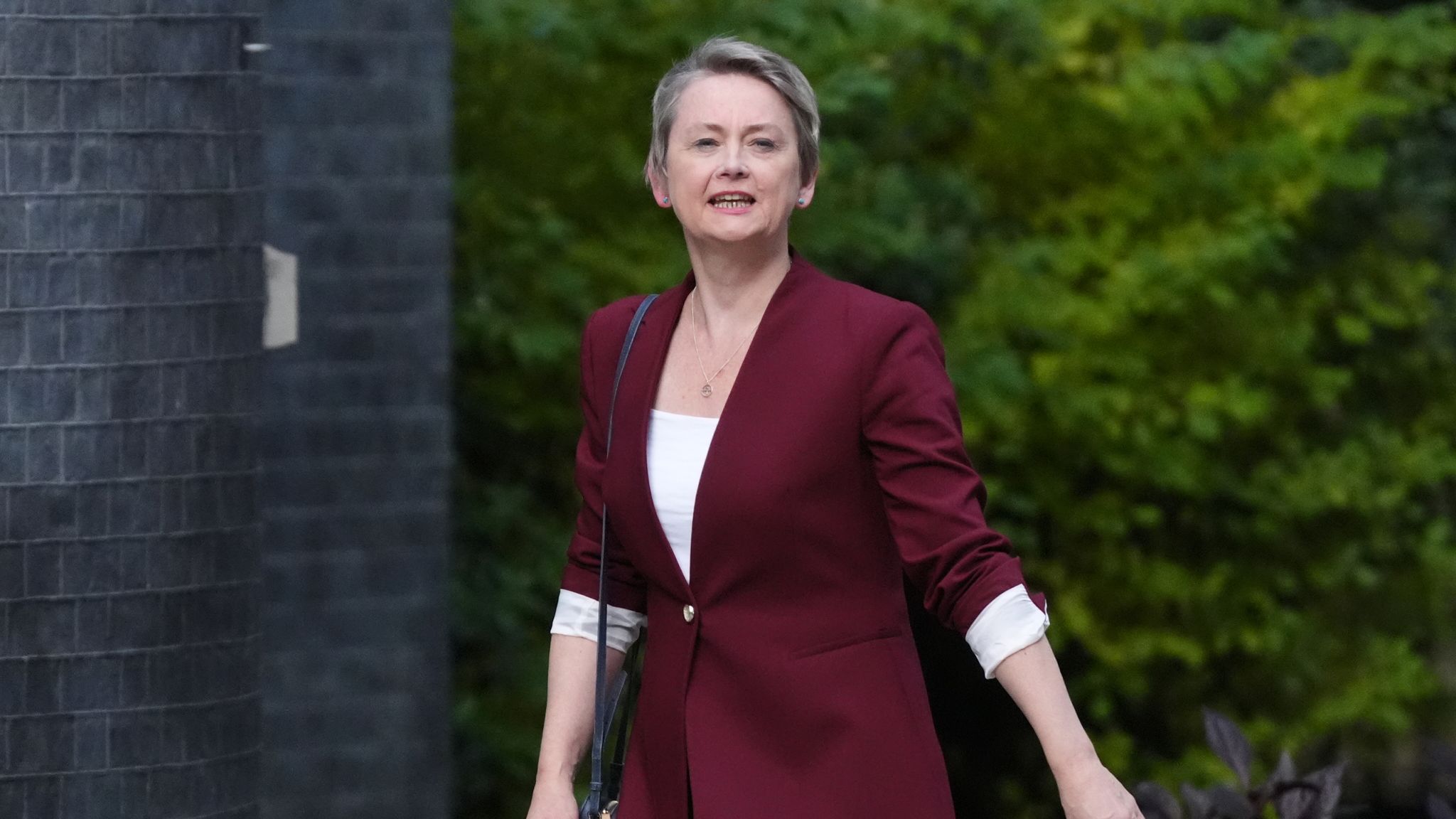
British Foreign Secretary Yvette Cooper is traveling to China and India this week for high-stakes diplomatic meetings. The trip comes as London pushes to strengthen economic ties with two of the world's largest powers — but not without controversy, given Beijing's well-documented human rights record.

.
A Diplomatic Tour With High Expectations
British Foreign Secretary Yvette Cooper departed for China on Monday, May 31, kicking off a week of intensive diplomacy that will take her across two of Asia's most powerful capitals. The visit has been in the works for weeks and is seen in London as a follow-up to Prime Minister Keir Starmer's landmark trip to Beijing in January — the first visit by a sitting British prime minister in eight years.
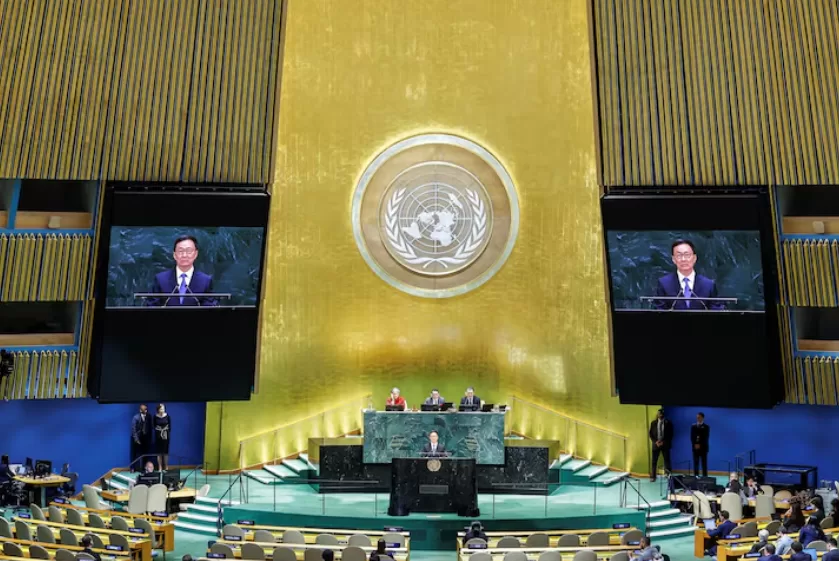
Cooper is scheduled to meet Chinese Foreign Minister Wang Yi and Chinese Vice President Han Zheng in Beijing on June 2. The following day, she travels to Shenzhen, China's southern technology hub, where her program will center on science and innovation cooperation.
By June 4, she is expected to be in New Delhi, where she will hold talks with Indian External Affairs Minister S. Jaishankar, along with meetings involving entrepreneurs, academics, and government officials connected to the UK-India Vision 2035 initiative.
A World in Crisis — London Wants a Seat at the Table
The timing of the trip is far from routine. Cooper's agenda is crowded with some of the most urgent global flash points of 2026: soaring oil prices in the wake of the US-Israeli military campaign against Iran, ongoing fighting in Ukraine, rising tensions around the Strait of Hormuz, and the latest Ebola outbreak.
Britain, struggling with sluggish economic growth and rising energy costs at home, sees constructive engagement with Beijing and New Delhi not as a luxury, but as a strategic necessity. The British government described Cooper's upcoming meetings as being "focused on tackling the most significant global challenges."
The Labour government has made rebuilding ties with China a central foreign policy objective. After years of strained relations — marked by disputes over Hong Kong's autonomy, espionage allegations, and tensions during the COVID-19 pandemic — Starmer declared an end to what he himself called the "ice age" in UK-China relations.
The Shadow of Human Rights
The diplomatic warmth, however, does not sit easily with many observers. Human rights organizations have been blunt in their criticism of London's approach.
Amnesty International UK stated that any high-level engagement with Beijing is a moment of real consequence, and called on the British government to deliver a clear and uncompromising condemnation of Beijing's human rights record — including the violent and systematic repression of Uyghurs in Xinjiang, the destruction of freedoms in Hong Kong, and the harassment and surveillance of activists, refugees, and students living on British soil.
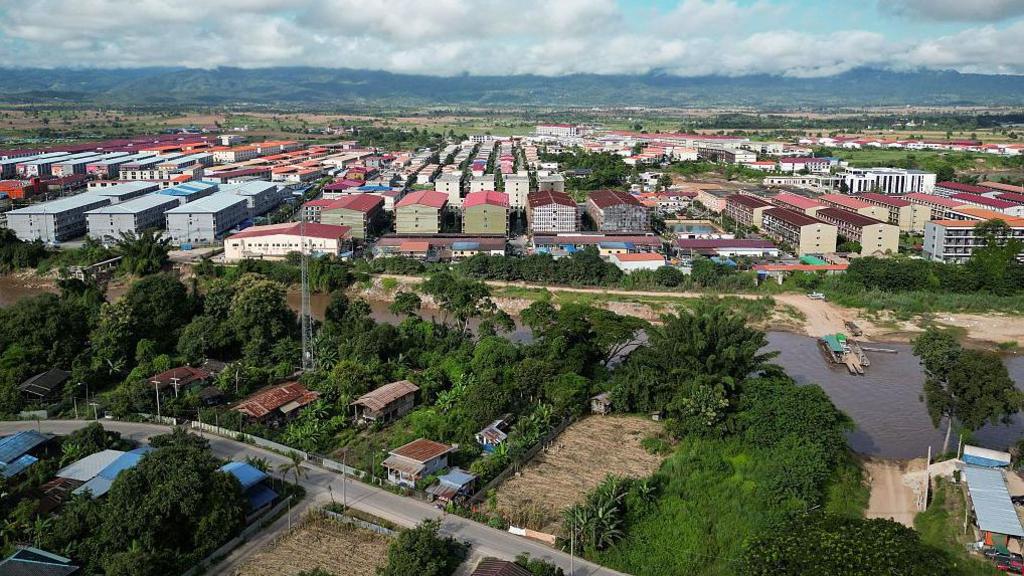
Human Rights Watch similarly warned that under President Xi Jinping, repression has sharply intensified, with Beijing having dismantled Hong Kong's long-cherished freedoms, and Chinese authorities committing what the organization describes as crimes against humanity against Uyghurs in Xinjiang — including arbitrary detention, mass surveillance, cultural and religious persecution, and the separation of families.
Members of the British Parliament have pressed the government on whether sanctions against Chinese Communist Party officials responsible for abuses in Xinjiang remain in place. So far, the Starmer government has offered few specifics, prioritizing economic engagement while pledging to raise rights concerns through diplomatic channels.
The China Reset: Opportunity or Risk?
Starmer's January visit to Beijing resulted in pledges of greater cooperation on trade, investment, and technology. The British government's stated rationale was that London could not afford to ignore China as the world's second-largest economy, and that it would pragmatically seize opportunities for economic cooperation while maintaining its national security standards.
As part of the thaw, the UK approved plans for China to build its largest embassy in Europe on a prominent London site — a decision that paved the way for the lifting of Chinese sanctions against six serving British lawmakers. That embassy approval now faces a High Court review, the outcome of which could test the fragile détente.
British and Chinese officials alike are reportedly bracing for the court ruling, expected in June or July, with Beijing likely to respond if the project is stalled. The Cooper visit has been carefully timed to make the most of the current window of relative calm.
India: A Trade Deal Under Strain
Cooper's stop in India carries its own complications. London and New Delhi signed a bilateral free trade agreement last year, designed to open markets and deepen economic cooperation. But the deal has already hit turbulence.
India's trade secretary flagged last month that London's new steel import restrictions are creating barriers to implementation — a dispute that will likely feature in Cooper's talks with Jaishankar. Despite the friction, both sides remain committed to the broader Vision 2035 framework, which includes cooperation in education, technology, and finance.
India, as the world's most populous country and sixth-largest economy, is a critical partner for post-Brexit Britain. The Cooper visit is aimed at demonstrating that London's partnership with New Delhi remains on track — even as details get worked out.
Britain's Balancing Act
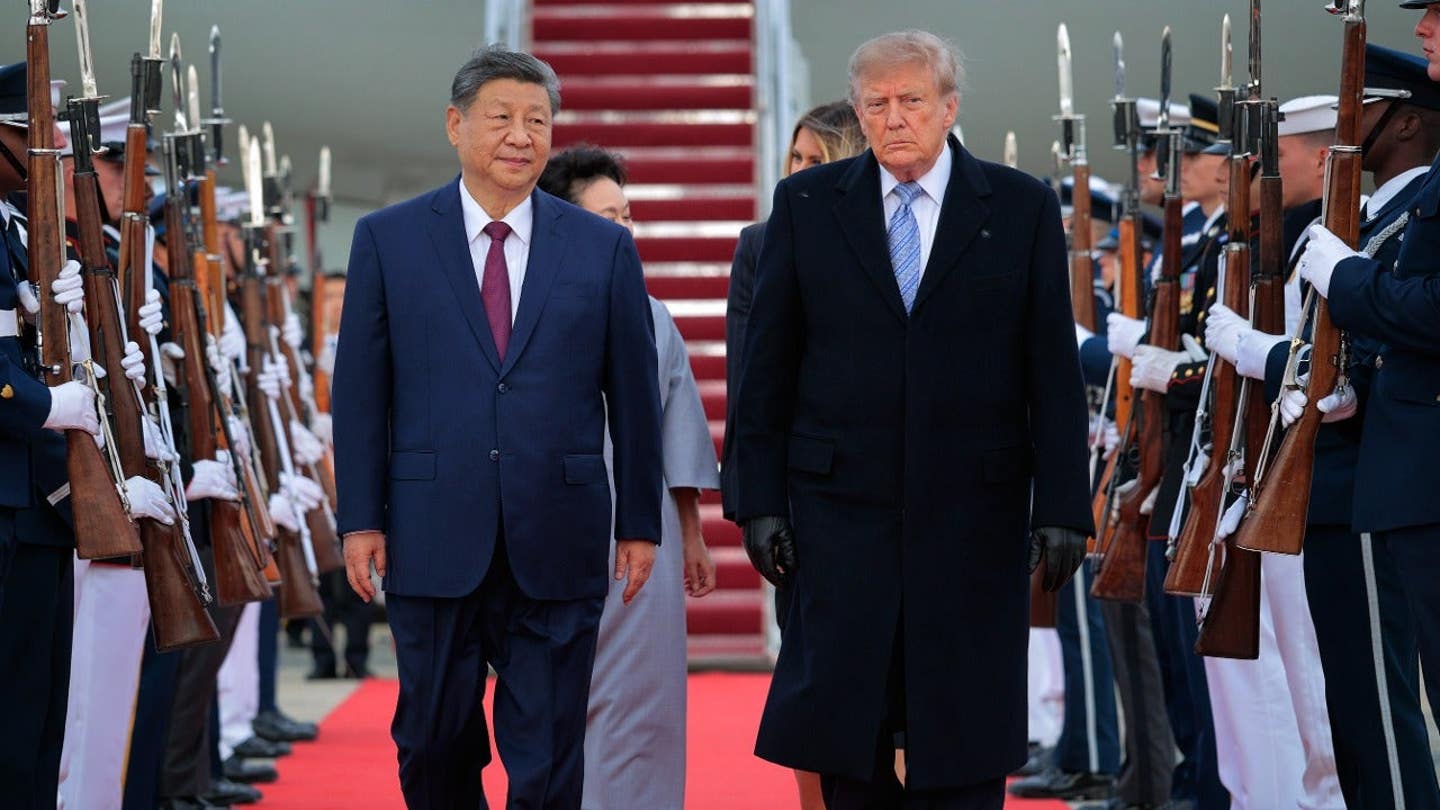
What emerges from this diplomatic week is a picture of a Britain trying to punch above its weight at a moment of global turbulence. With Donald Trump's administration reshaping alliances and global trade patterns, London is doubling down on its engagement with major Asian powers.
Yet the visit to Beijing carries inherent tensions. The Chinese Communist Party's record on political repression — from Uyghur detention camps to the suppression of Falun Gong practitioners and the crackdown on civil society in Hong Kong — has not changed. Critics argue that economic engagement without firm human rights conditions hands Beijing a diplomatic reward it has not earned.
Whether Cooper raises these issues directly, and with what force, will be closely watched.
.
Sources:
- Reuters – UK foreign minister due to visit China and India to discuss global issues (May 31, 2026): https://www.reuters.com/world/china/uk-foreign-minister-due-visit-china-india-discuss-global-issues-2026-05-30/
- Reuters – Britain's foreign minister plans to visit China in early June (May 15, 2026): https://www.aol.com/articles/britains-foreign-minister-plans-visit-041917000.html
- Human Rights Watch – Starmer Should Promote Rights in China Visit (Jan 27, 2026): https://www.hrw.org/news/2026/01/27/starmer-should-promote-rights-in-china-visit
- Amnesty International UK – UK: Starmer must confront China's human rights abuses (Jan 27, 2026): https://www.amnesty.org.uk/press-releases/uk-starmer-must-confront-chinas-human-rights-abuses-not-trade-them-away
- House of Lords Library – UK government policy towards China: https://lordslibrary.parliament.uk/uk-government-policy-towards-china/
- Wikipedia – 2026 visit by Keir Starmer to China: https://en.wikipedia.org/wiki/2026_visit_by_Keir_Starmer_to_China
.
What's Your Reaction?
 Like
0
Like
0
 Dislike
0
Dislike
0
 Love
0
Love
0
 Funny
0
Funny
0
 Wow
0
Wow
0
 Sad
0
Sad
0
 Angry
0
Angry
0











Comments (0)