

The Rise, Fall, and Demise of Carrefour China


.
This year marked a symbolic end to Carrefour’s three-decade presence in China.
In September, Suning International, a major Chinese retail conglomerate, sold the equity of 12 Carrefour China subsidiaries for just 1 yuan ($0.14) each. In June, Suning used the same method to dispose of four other subsidiaries as part of a broader effort to shed debt, liquidate assets through professional agencies, and ease financial pressure by cleaning up its balance sheet.
The sale followed a settlement reached in August between Suning and Carrefour China’s European parent company over long-standing disputes involving share ownership and intellectual property. Suning agreed to pay 220 million yuan ($31 million) to finalize the takeover and gain full control of Carrefour China. Under the agreement, Carrefour’s branding and trademarks will soon disappear from Chinese storefronts. A brand once synonymous with bustling weekend crowds and affordable family shopping has now faded from China.
Retail Powerhouse
Carrefour entered China in 1995, pioneering a new shopping experience: one-stop, self-service hypermarkets offering a wide array of products at competitive prices. It quickly became a retail powerhouse.A Long Decline
Yet, by the late 2000s, cracks had begun to show. Competitors such as RT-Mart, Walmart, and later Yonghui Superstores expanded aggressively while building stronger procurement and logistics networks.Carrefour China, by contrast, relied heavily on slotting fees, charging suppliers for shelf space rather than investing in supply chain efficiency. When customer traffic slowed, this model unraveled. Suppliers were squeezed, product selection worsened, and store shelves were often partially stocked.
Suning’s Ambitious Rescue—And Collapse
In 2019, Suning acquired a majority stake in Carrefour China with big ambitions: to integrate Carrefour’s fast-moving consumer goods network with Suning’s electronics and online retail ecosystem. Suning boldly announced plans to surpass Walmart in five years.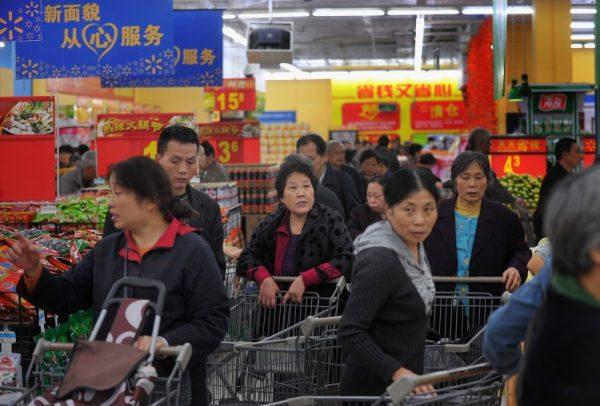
But Suning soon faced its own financial crisis. As losses widened, Carrefour China stores were among the first businesses Suning cut loose. Between 2021 and 2024, Carrefour hypermarkets rapidly disappeared from major cities, including Beijing, Shanghai, Guangzhou, and Shenzhen. The once-sprawling chain shrank to just a handful of locations before reaching near-extinction.
Carrefour China’s decline is not an isolated case—it reflects the broader struggles of traditional supermarkets or hypermarkets across the country.
Traditional Hypermarkets Face Challenges
Across China, at least 782 supermarkets shut down in 2024 alone, with another six supermarket brands ceasing operations entirely, according to Chinese news portal Sina. The decline of traditional hypermarkets in the country can be traced to two main factors.Changing Consumer Habits
In the past, Chinese consumers drove to hypermarkets to stock up on bulk items such as rice, noodles, oil, and drinks—a “hoarding” habit that fueled their boom. But now, with city life moving faster, online shopping taking over, and middle-class lifestyles evolving, consumers crave instant, high-quality, and immersive shopping experiences. Physical stores aren’t just for buying anymore; they’re now entry points for traffic and experiential spaces.Shoppers want more than products—they expect interactive experiences like food tastings, cooking demos, or social vibes with coffee corners and kid-friendly activities. Spending an hour or two dealing with traffic, parking issues, and long checkout lines at a hypermarket is a major hassle.
Upscale families want premium goods and immersive experiences—think Alibaba’s Freshippo (also known as Hema), which offers live cooking, in-store dining, and speedy delivery, turning shopping into a lifestyle. In contrast, traditional supermarkets with cluttered shelves, poor lighting, and uninspiring displays struggle to meet modern desires for comfort, social interaction, and engaging experiences.
Young people today tend to prefer shopping at nearby convenience stores or using online instant-delivery services, such as Meituan’s “Flash Buy,” JD.com’s JD Now, and Freshippo’s “30-Minute Delivery.”
.
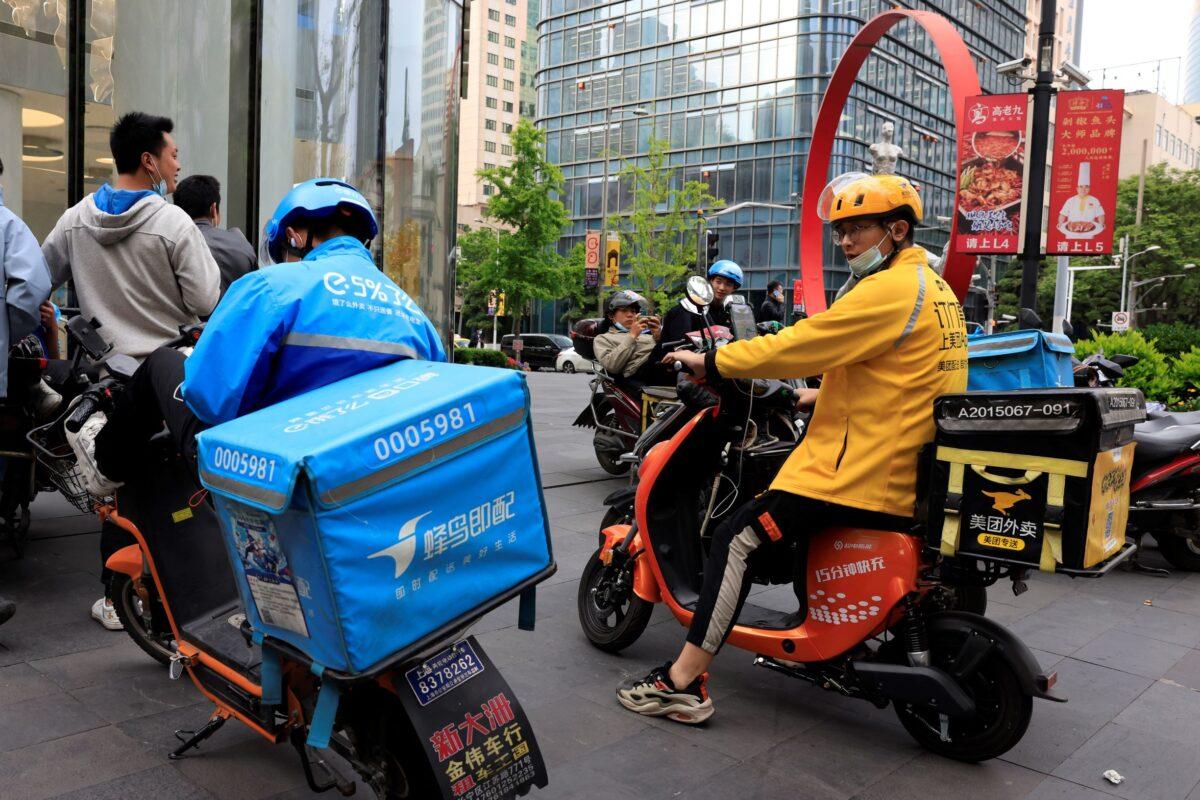
At the same time, the economic downturn, weak housing market, high unemployment rate, and stagnant incomes have crushed middle-class confidence. The old routine of weekend family trips to the supermarket to stock up for the week is being replaced by a practical mindset of buying what is necessary for the time being. This further squeezes hypermarkets’ revenues.
Slow Digital Shift
By 2025, e-commerce accounts for 47.3 percent of China’s retail market, according to SellersCommerce, with mobile payments and instant-delivery technologies—such as drones and driverless vehicles—making online shopping a breeze. People now order on their phones, expecting same-hour delivery.Meanwhile, social e-commerce platforms such as Douyin (the Chinese version of TikTok), Kuaishou, and Xiaohongshu (Little Red Book) make shopping more contextual and social. Buyers aren’t just purchasing; they’re creating content, engaging, and sharing in a “hype–buy–show off” loop—this stands in stark contrast to the often transactional and bland setups of traditional hypermarkets.
A Watershed Moment
From its dazzling entry into China in 1995 to its fire-sale exit and brand discontinuation today, Carrefour China’s downfall stems from both external disruption and internal rigidity. The rapid growth of e-commerce, the targeted tactics of new retail models, and Carrefour China’s outdated supplier fee system, weak supply chain, and slow management reforms all contributed to its decline.Carrefour’s exit from China marks a watershed moment for the country’s retail sector. Traditional hypermarkets are being squeezed from all sides—by fragmented demand, digital penetration, and consumption downgrade.
For three decades, Carrefour witnessed China’s retail industry evolve from a race for scale expansion to a new era of efficiency. Its retreat sends a clear warning to all traditional retailers: those who still rely on economies of scale and foot traffic dividends are already relics of a bygone age.
What's Your Reaction?
 Like
0
Like
0
 Dislike
0
Dislike
0
 Love
0
Love
0
 Funny
0
Funny
0
 Wow
0
Wow
0
 Sad
0
Sad
0
 Angry
0
Angry
0
















Comments (0)